Polisario Concerned About a Possible Shift in Algeria’s Position on the Sahara Issue
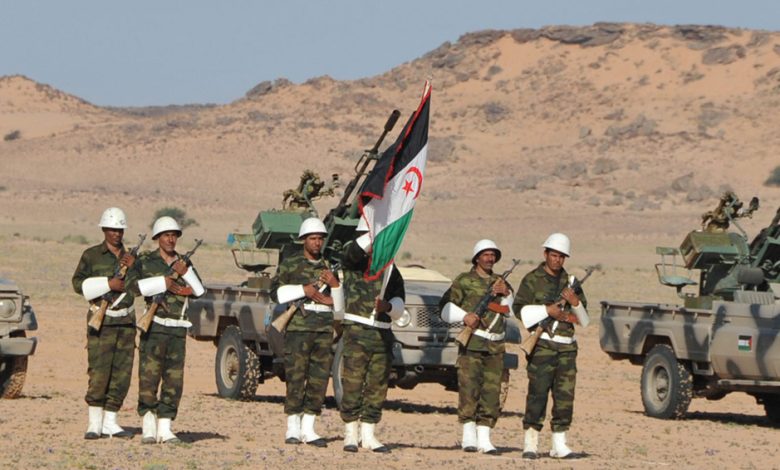
Algeria’s positive reception of the negotiation process reflects a growing awareness of the difficulty of maintaining previous approaches amid increasing international support for the Moroccan solution.
Statements by Algerian Foreign Minister Ahmed Attaf, in which he affirmed his country’s support for negotiations regarding the Moroccan Sahara issue, have unsettled the Polisario Front, which perceived them as a possible sign of a shift in Algeria’s traditional approach to the conflict. These concerns prompted Algeria to move quickly to reaffirm its established positions, in what was widely interpreted as an effort to reassure the separatist movement.
The controversy generated by Attaf’s speech on the occasion of Africa Day at the end of last week went beyond a simple debate over diplomatic wording. It became an indicator of the growing sensitivity surrounding the Moroccan Sahara issue within the Polisario amid accelerating regional and international developments and as the autonomy proposal under Moroccan sovereignty increasingly emerged as the sole basis for resolving the conflict.
Although Attaf reiterated Algeria’s traditional support for what it describes as the “right to self-determination,” his emphasis on the importance of the negotiation process and the need to engage in it raised concerns within the Polisario about the nature of the next phase and whether Algeria has begun preparing to adapt to new international dynamics characterized by growing support for Morocco’s autonomy initiative.
Several activists associated with the Polisario, as well as individuals within circles supportive of the movement, expressed surprise on social media regarding the content of the Algerian speech, arguing that it contained political signals that differed from previous positions.
In a clear effort to contain these reactions, Algeria swiftly used meetings of the United Nations Special Committee on Decolonization, commonly known as the “Committee of 24,” to send direct messages of reassurance. During the committee’s latest session in Nicaragua, Algeria’s Deputy Permanent Representative to the United Nations, Toufik Kadri, stressed the consistency of his country’s position and criticized what he described as “misinterpretations” of Ahmed Attaf’s remarks.
The timing of this clarification does not appear accidental. It came only days after debates intensified within pro-Polisario circles, suggesting that Algeria was keen to prevent these concerns from developing into a crisis of confidence between the two sides.
According to observers, the very need to issue additional explanations reflects a degree of apprehension within the separatist movement regarding the future of Algeria’s position, especially given that the Polisario has built a significant part of its political and diplomatic strategy on Algerian support over several decades.
These concerns are further reinforced by developments at the international level. Since the adoption of Resolution 2797, the issue has entered a new phase focused on achieving a realistic and mutually acceptable political solution, a development widely viewed as consistent with the autonomy initiative as a basis for settling the dispute.
Moreover, the resumption of consultations under United Nations sponsorship, with direct support from the United States, has created a new reality that compels all parties to reassess their political calculations, including Algeria, which now faces the challenge of reconciling its traditional discourse with the demands of evolving international dynamics.
In this context, some observers interpret Algeria’s endorsement of the negotiation process as evidence of a growing recognition that maintaining previous approaches has become increasingly difficult amid rising international support for practical political solutions, rather than as an abandonment of its officially declared positions.
However, this interpretation does not appear entirely reassuring to the Polisario, which fears that any gradual shift in Algeria’s priorities could deepen its isolation and further weaken its separatist agenda, particularly at a time when international pressure for a definitive settlement of the conflict continues to grow.
This development also reflects deeper concerns that ongoing geopolitical transformations may be pushing Algeria toward a more pragmatic approach to the issue, potentially reducing in the future the room for maneuver that the Polisario has long enjoyed.