Conflicting Israeli signals regarding Lebanon… hours before a decisive outcome
Pakistan led an initiative to curb the escalation of the crisis in the Middle East, but the situation in Lebanon remained shrouded in ambiguity as Israeli strikes continued.
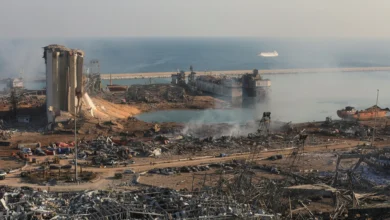
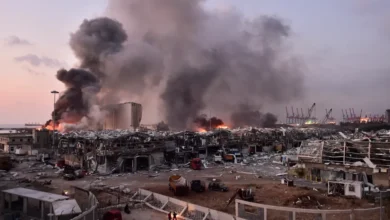
Israel launched the most violent attack on the capital, Beirut, in decades, killing hundreds and injuring thousands, while Islamabad pressed to ensure that Lebanon was included in the temporary ceasefire agreement.
-
Washington and Tehran… Hezbollah, the Achilles’ heel of the truce
-
Israel–Hezbollah war: UN concern and European call
While Israeli political sources expected an official U.S. announcement on Saturday to mark the start of direct talks between Israel and Lebanon, alongside a ceasefire in accordance with the understandings of November 2024, Israel’s ambassador to the United States stated that Israel had refused to discuss a ceasefire with Hezbollah but had agreed to begin formal peace negotiations with Lebanon on Tuesday.
In a statement issued by Israeli Ambassador Yechiel Leiter, he clarified that he had “refused,” during his meeting with his Lebanese counterpart to prepare for these talks, to “discuss a ceasefire with the terrorist organization Hezbollah.”
-
Iran and Hezbollah carry out simultaneous attacks on Israel
-
Youssef Hashem… Israel announces the killing of Hezbollah’s southern front commander
Earlier on Friday, the newspaper Israel Hayom reported that “Israel and Lebanon are expected to begin diplomatic discussions through an initial preparatory conversation between Israel’s ambassador in Washington, Yechiel Leiter, and the Lebanese ambassador in Washington on Friday; this will serve as a preliminary exchange before the official negotiations begin on Tuesday.”
The newspaper added: “According to estimates, the talks will focus on returning to the November 2024 agreement, meaning the pre-war situation, but without an Israeli withdrawal from the territories reached by the Israeli army during the fighting,” which began on March 2.
-
Israel expands its operations in Lebanon… evacuation alerts and dozens of Hezbollah members killed
-
Israel intensifies strikes against Hezbollah: senior leaders killed and evacuation orders issued
It continued: “In parallel with these contacts, Israel is expected to continue its military activity; strikes will persist south of the Litani River.” It further noted: “The possibility of linking the opening of negotiations to an announcement of a ceasefire is also under consideration.”
The newspaper Haaretz quoted an informed diplomatic source as saying that “Israel agreed to halt strikes in Beirut in response to American pressure and due to the limited number of significant military targets remaining in the city.”
-
New escalation between Israel and Hezbollah after hours of calm
-
How Iran’s Revolutionary Guard reorganized Hezbollah’s ranks
The Lebanese presidency announced on Friday the first contact with Israel through their respective ambassadors in the United States as part of the ceasefire negotiation process. In a statement, it said: “Based on instructions from President Joseph Aoun to the Lebanese ambassador in Washington, a phone call took place at 9:00 p.m. Beirut time, the first between Lebanon, represented by Ambassador Nada Hamade Maouad, and Israel, represented by its ambassador in Washington, Yechiel Leiter.” It added that the exchange took place with the participation of the U.S. ambassador to Beirut, Michael Issa, who was present in Washington.
It appears that Washington will determine the fate of the ceasefire in Lebanon under a prior agreement signed in November 2024, which ended the war between Hezbollah and Israel after the pro-Iranian group launched what it described as a “war in support of Gaza” one day after Hamas’s attack on the Gaza envelope settlements on October 7, 2023.
-
Iraqi Hezbollah sets conditions to halt attacks on the U.S. embassy.
-
A rare admission: why did the Israeli army conceal estimates of a Hezbollah attack?
The agreement stipulates the disarmament of Hezbollah south of the Litani River, but the Lebanese government had previously issued a decision restricting weapons to the state, which effectively implies the withdrawal of the group’s weapons north of the Litani as well. Hezbollah broke the truce last month and joined the escalating conflict between Iran on one side and the United States and Israel on the other.
After the group fired rockets at Israel in support of Iran, the Lebanese government held a meeting during which it was decided to ban the group’s military activity, placing Lebanon before a major question that the coming days are expected to answer.
-
Fear and anger in Hezbollah’s stronghold… displaced people with nowhere to go
-
Smoke over Hezbollah headquarters… southern Beirut suburbs flare up again