How does oregano support cardiovascular health? An analysis of biological mechanisms and potential effects
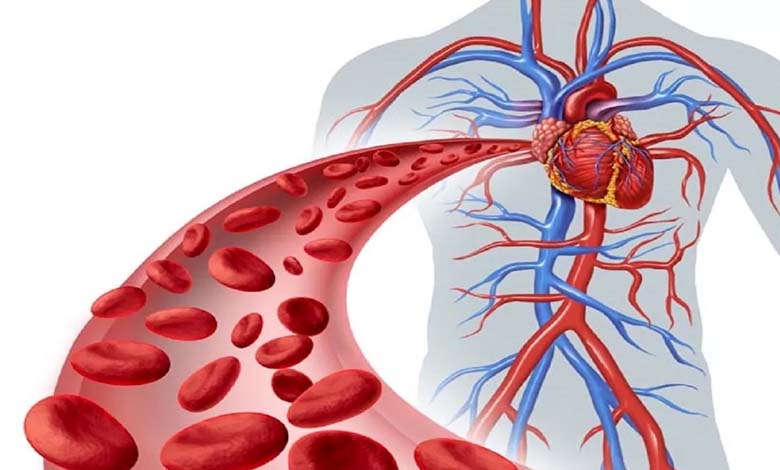
Aromatic herbs have long held an important place in culinary and medicinal traditions worldwide. Among them, oregano has gained increasing attention due to its bioactive properties and potential health benefits. Used since ancient times, it is now being studied for its possible role in preventing cardiovascular diseases, which remain a leading cause of mortality globally.
Biochemical composition of oregano
Oregano is rich in phenolic compounds, particularly carvacrol and thymol, which provide antioxidant and antimicrobial properties. It also contains flavonoids and phenolic acids known for their ability to neutralize free radicals.
These bioactive compounds play a key role in protecting cells from oxidative stress, a factor involved in the development of cardiovascular diseases.
Reduction of oxidative stress
Oxidative stress results from an imbalance between free radical production and the body’s defense mechanisms. It contributes to cellular damage and chronic inflammation.
The antioxidants found in oregano may help limit this process, protecting blood vessels and reducing the risk of endothelial dysfunction.
Anti-inflammatory effects
Chronic inflammation is another key factor in cardiovascular disease development. The active compounds in oregano exhibit anti-inflammatory properties that may help modulate immune responses.
By reducing inflammation, oregano could help prevent plaque buildup in arteries and improve vascular health.
Influence on cholesterol
Some studies suggest that oregano may influence lipid profiles by helping reduce harmful cholesterol levels and improving overall lipid balance.
These effects may be linked to the action of phenolic compounds on lipid metabolism and enzyme regulation.
Impact on blood pressure
Oregano may also play a role in blood pressure regulation. Some of its compounds are associated with vasodilatory effects, promoting the relaxation of blood vessels.
This can help improve circulation and reduce strain on the cardiovascular system.
Antimicrobial properties and vascular health
The antimicrobial properties of oregano may indirectly affect cardiovascular health. Certain chronic infections are linked to systemic inflammation that can impact blood vessels.
By limiting the growth of certain microorganisms, oregano may help reduce these effects.
Role in a balanced diet
Incorporating oregano into daily meals is a simple way to benefit from its properties. As a seasoning, it can also help reduce salt intake, which is beneficial for blood pressure control.
This dual action enhances its value in a comprehensive nutritional strategy.
Limitations of scientific evidence
Despite promising findings, research on oregano and cardiovascular health remains limited. Most studies are conducted in vitro or on experimental models.
Further clinical studies are needed to confirm these effects in humans and determine optimal intake levels.
A holistic approach to cardiovascular prevention
Cardiovascular disease prevention relies on a combination of factors, including a balanced diet, regular physical activity, and stress management.
Oregano can be part of this broader approach but should not be viewed as a standalone solution.
Conclusion
Oregano exhibits properties that may support cardiovascular health, particularly through its antioxidant, anti-inflammatory, and potentially lipid- and blood pressure-regulating effects.
However, its effectiveness depends on its integration into a healthy lifestyle. As part of a varied diet, it may contribute to cardiovascular prevention without replacing established medical approaches.