Economic rage chokes Iranian weapons networks… sanctions against 10 individuals and companies
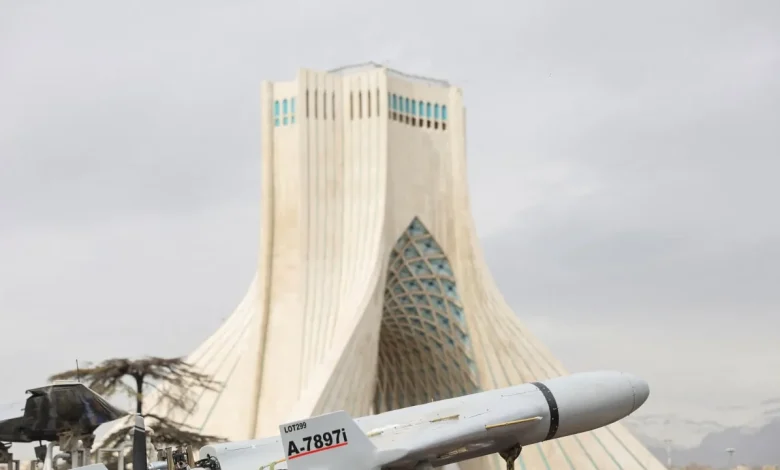
In a new escalation reflecting Washington’s firmness in its “maximum pressure” policy, the U.S. Treasury Department announced a package of sanctions targeting 10 individuals and companies in the Middle East, Asia, and Eastern Europe for helping Iran obtain weapons and raw materials used in the production of “Shahed” drones.
The move comes as part of what the U.S. administration described as an “economic rage campaign,” within a broader strategy aimed at choking off the financing and supply networks linked to Iran by targeting the financial and technological intermediary channels connecting it to Asian and European markets.
What do we know about these sanctions?
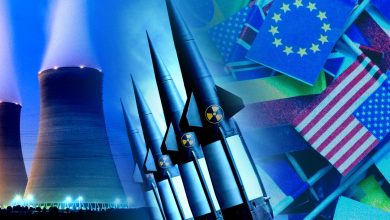
The U.S. Treasury Department said that its Office of Foreign Assets Control on Friday targeted 10 individuals and companies based in multiple jurisdictions across the Middle East, Asia, and Eastern Europe, accused of facilitating efforts by Iran’s military establishment to obtain weapons and raw materials used in Shahed drone and ballistic missile programs.
The Treasury explained that it continues to proactively disrupt these networks seeking to support Iran’s acquisition of weapons and military equipment. Simultaneously, the U.S. State Department is designating four entities linked to Iranian conventional weapons activities.
U.S. Treasury Secretary Scott Bessent said that while surviving leaders of the Islamic Revolutionary Guard Corps find themselves “trapped on a sinking ship,” the Treasury is not backing down from its “economic rage campaign.”
He added: “Under the decisive leadership of President Donald Trump, we will continue working to ensure America’s security and to target foreign individuals and companies that supply weapons to the Iranian military for use against U.S. forces.”
Choking Iran economically
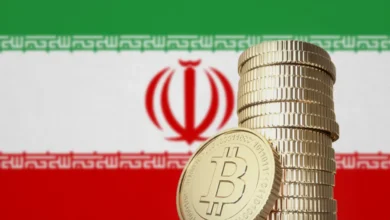
According to the Treasury, under the maximum pressure policy on Iran, the campaign has disrupted billions of dollars in expected oil revenues, frozen nearly half a billion dollars in cryptocurrencies linked to the regime, and dismantled “parallel financing” networks in Tehran.
The department affirmed that it is prepared to take additional measures against Iran’s defense industrial base to prevent it from rebuilding its production capabilities or projecting its influence beyond its borders. It is also ready to target any foreign company supporting illicit Iranian trade, including airlines, and may impose secondary sanctions on financial institutions facilitating Tehran’s activities, including those linked to independent Chinese oil refineries.
The Treasury warned that any person or vessel involved in oil or goods trade through illicit channels or covert financial routes will be subject to U.S. sanctions. It stressed that it will firmly target traditional evasion mechanisms as well as the use of digital assets, while continuing to freeze funds it considers “stolen from the Iranian people.”
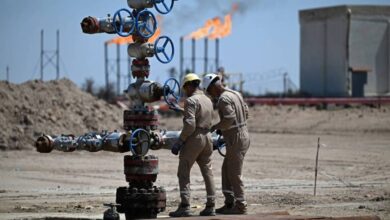
According to the statement, the U.S. administration is directly targeting the regime’s main sources of income, warning that any entity or means of transport facilitating the flow of Iranian oil or products will face sanctions.
Consequences of the sanctions
Under these measures:
All assets and property belonging to listed individuals and entities within the United States or controlled by U.S. persons are frozen.
Any financial or commercial transactions with them are prohibited.
Secondary sanctions may be imposed on foreign financial institutions involved in dealings with them.
Violations of these sanctions may lead to civil or criminal penalties, including restrictions on providing funds, services, or financial facilities to designated entities.
Strict restrictions may also be imposed on foreign banks dealing with listed entities, including limitations on their accounts within the U.S. financial system.