North Carolina: Republican moves against the Muslim Brotherhood and political Islam
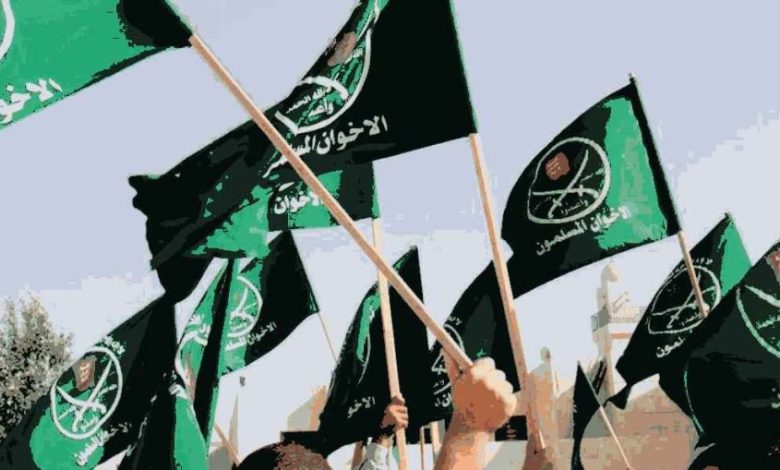
The “Muslim Brotherhood” and political Islam have become central to an escalating political battle in the United States, amid growing conservative rhetoric linking political Islamist groups to issues of extremism and threats to national security.
According to the American newspaper “The Post and Courier,” this development coincides with increasing Republican initiatives aimed at tightening oversight of extremist organizations, particularly in North Carolina, which appears to be joining a broader American wave led by conservative states such as Florida and Texas.
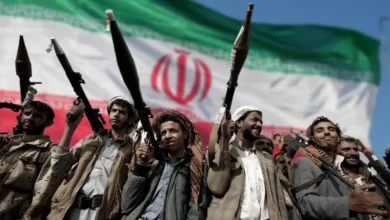
This escalation comes in a politically charged atmosphere in the United States since the war in Gaza and tensions related to Iran, where scrutiny of extremist groups and organizations has intensified, and calls from conservative figures have emerged for stricter measures toward “political Islam” and “extremist groups.”
An escalation against the “Muslim Brotherhood” in political discourse
In recent weeks, statements by several Republican politicians have focused directly on the “Muslim Brotherhood,” indicating the growing prominence of this issue within American conservative political discourse.
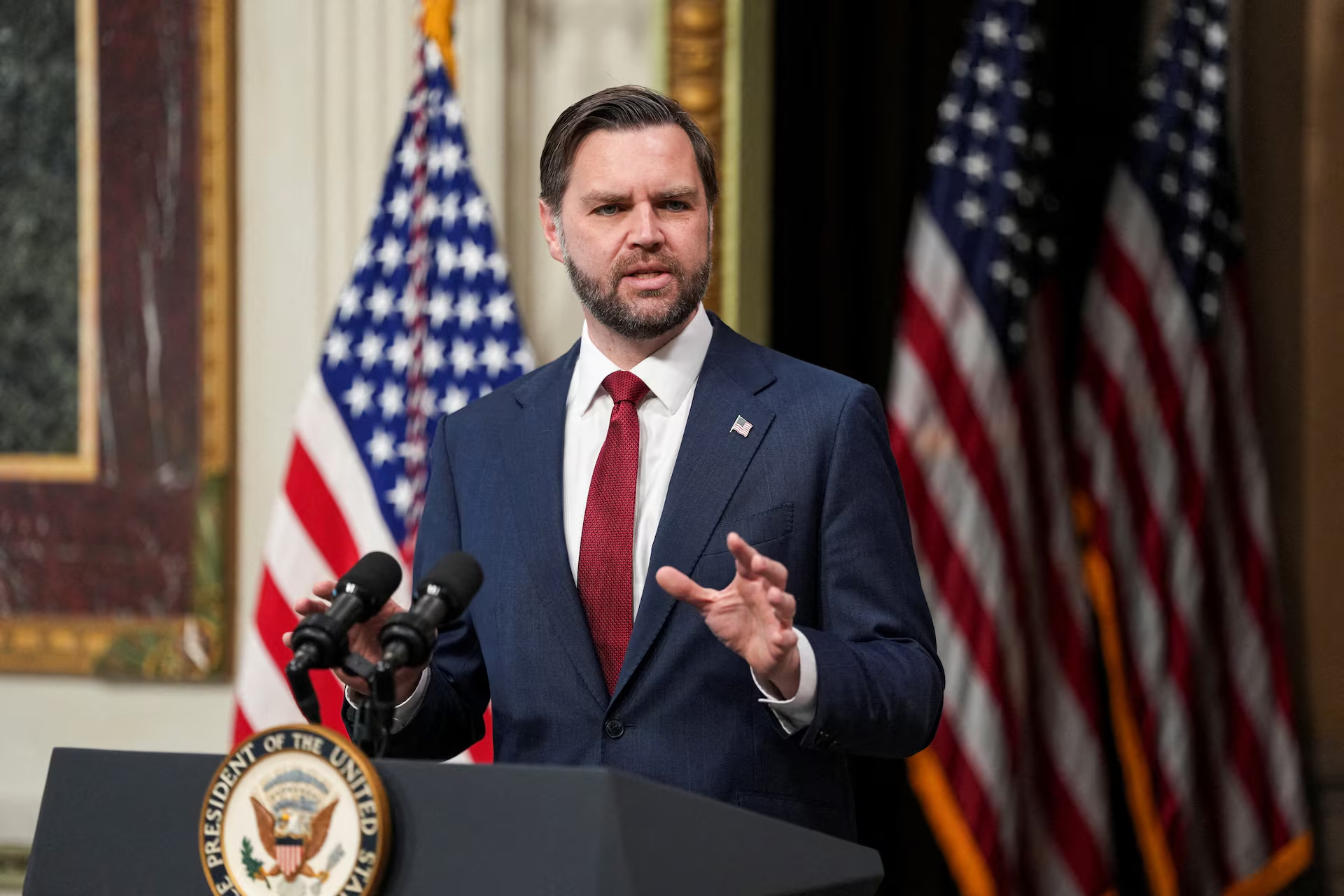
Republican Congresswoman Nancy Mace, a candidate for governor of the state, was among the most controversial voices after stating on social media: “When I become governor, neither the Muslim Brotherhood nor radical Islam will thrive in North Carolina.”
These statements coincided with broader Republican initiatives, including the launch by several conservative lawmakers, among them Congressman Ralph Norman, of what was called the “America Without Sharia Caucus,” as part of a political campaign that says it aims to counter the “infiltration of political Islam” within American society.
The Muslim Brotherhood in America’s counterterrorism strategy
The document titled “America First in Counterterrorism 2026” reveals a radical shift in how Washington deals with the group, as the U.S. administration no longer separates political Islam from armed terrorist organizations, considering that the Muslim Brotherhood provided the ideological and organizational foundation that paved the way for the emergence of modern extremist movements.
According to the document, the group represents “the origin of modern Islamist terrorism based on re-establishing the Islamic caliphate and killing or enslaving non-Muslims,” an unprecedented description that places the movement beyond its traditional political dimension and frames it as a global ideological and security threat.
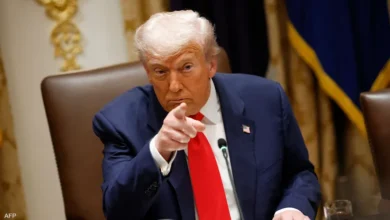
In this context, the strategy indicates that U.S. President Donald Trump announced the designation of the group’s original Egyptian branch, along with the Jordanian and Lebanese branches, as foreign terrorist organizations, with confirmation that additional branches will be added later.
The document does not stop at designation but clearly speaks of continuing efforts to “crush the organization wherever it operates,” by targeting its financial, media, and organizational networks and pursuing its cross-border activities.
The American strategy reflects a harsh reassessment of previous policies that, according to the current administration’s view, focused only on pursuing armed organizations without addressing the ideological and organizational structure that produces them.
As a result, Washington no longer sees the fight against terrorism as limited to conventional military operations but instead adopts a more comprehensive model based on dismantling networks linked to extremism, drying up their funding sources, and penetrating their logistical, media, and economic structures.