The plutonium loophole: warnings over Iran’s secret path toward the atomic bomb
While diplomatic efforts are focused on curbing Iran’s uranium enrichment program, nuclear non-proliferation experts are sounding the alarm about a strategic loophole that could escape international oversight: the parallel plutonium pathway.
As the U.S. administration moves closer to formulating a potential agreement aimed at ending the war, urgent calls are mounting for the anticipated deal to explicitly and unequivocally block all routes that could allow Tehran to produce a nuclear weapon from its plutonium-based facilities.
According to a report by Fox News, the core concern is that the negotiations’ focus on uranium may provide the Iranian regime with cover to exploit spent fuel from its nuclear reactors in order to produce weapons-grade nuclear material.
A stockpile sufficient for two hundred bombs and warnings over inspection gaps
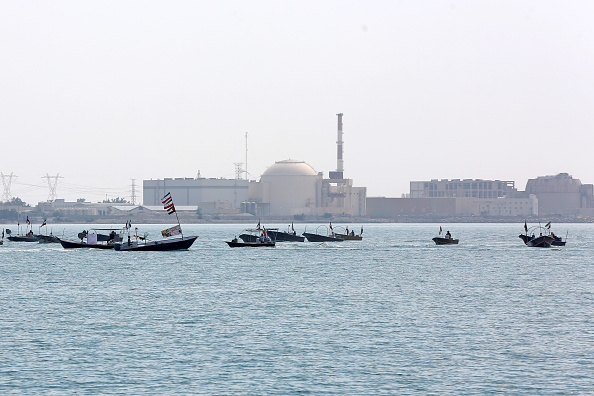
Henry Sokolski, executive director of the Center for Nonproliferation Policy Education and former deputy for non-proliferation policy at the Pentagon, warns that Iran already possesses vast quantities of plutonium extracted from the spent fuel of the Bushehr reactor, estimated to be enough to build more than two hundred nuclear bombs.
Sokolski reveals that the current inspection regime is burdened by serious timing gaps. The last visit by inspectors from the International Atomic Energy Agency to Bushehr dates back to August 27, 2025, and even when inspections were regular, they occurred only every ninety days.
Experts argue that this interval is more than sufficient to divert spent fuel and secretly reprocess it for military purposes. Sokolski notes that during the Obama administration, Washington did not insist on near-real-time monitoring of the reactor despite requests from the International Agency, which Tehran rejected at the time.
Between Arak and Bushehr: Iran’s persistence in reconstruction
The plutonium risk is no longer confined to the Bushehr reactor alone; it also extends to the Arak heavy-water facility, which was bombed twice by Israel last year, in June 2025 and March 2026.
Jason Brodsky, policy director at United Against Nuclear Iran, states that intelligence information indicates Tehran repeatedly attempted to rebuild the facility even after its destruction, confirming the regime’s determination to preserve this alternative pathway to a nuclear weapon.
He states unequivocally: “I firmly believe that any proposed agreement with Iran must address the plutonium pathway to nuclear weapons.”
To address this challenge, Sokolski proposes effective military and intelligence monitoring mechanisms without resorting to bombing Iranian facilities. He recommends that the Pentagon oversee the situation to ensure that no spent fuel is removed from Bushehr, using space-based surveillance and drones, as Washington did in 2012.
He insists that any peace agreement concluded by President Trump with Tehran must include an explicit clause mandating near-real-time monitoring of the Bushehr reactor and its spent fuel pools, similar to the oversight applied by the International Atomic Energy Agency to uranium enrichment activities.
Technical complexities and logistical challenges for Tehran
In response to these warnings, David Albright, physicist, former weapons inspector, and president of the Institute for Science and International Security, expresses serious doubts about the scenario of Iran weaponizing Bushehr plutonium. His skepticism rests on three major obstacles. First, Iran would need to design a plutonium-based nuclear weapon, which it has not yet developed, as Iranian nuclear archives contain no indication of such work.
Second, any overt diversion of spent fuel would trigger Russia’s immediate suspension of enriched uranium supplies, undermining a multi-billion-dollar investment that provides electricity to the region. Third, most of the plutonium found in Bushehr’s spent fuel is reactor-grade rather than the ideal type for weapons production.
Andrea Stricker, deputy director of the non-proliferation program at the Foundation for Defense of Democracies, agrees that this pathway is technically difficult. She notes that Iran has not focused on the plutonium route for weaponization since the early 2000s, meaning it would need to illicitly acquire and set up a full plutonium reprocessing facility, along with advanced equipment to handle and chemically process the fuel.
She adds: “All of this constitutes major obstacles to using it as fuel for nuclear weapons.”
However, these technical difficulties do not diminish the consensus on the need to permanently close this pathway in any future agreement. Stricker insists: “The United States must demand the imposition of a permanent and verifiable ban on plutonium reprocessing in Iran under any agreement.”
In a rare position, she also notes that Russia recognized this risk, having insisted on the return of International Agency inspectors to Bushehr after the June 2025 strikes, which took place in August.
Experts recommend practical measures that can be implemented immediately, including increasing inspection frequency to a monthly basis, Russia removing the accumulated spent fuel from the site, and placing Iran’s plutonium production infrastructure under strict and near-real-time monitoring.
The U.S. position remains clear, as stated by a State Department spokesperson to Fox News: “Iran is currently in violation of its obligations under the Nuclear Non-Proliferation Treaty due to its lack of full cooperation with the International Atomic Energy Agency. Iranian leaders must engage in serious diplomatic negotiations with the United States to definitively resolve the nuclear issue.”