Without a blood test: how to recognize possible signs of iron deficiency
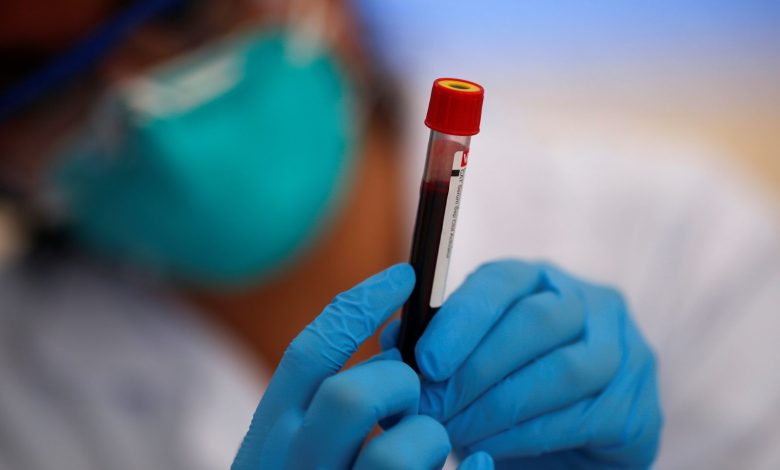
Iron is an essential mineral for the proper functioning of the body. It plays a fundamental role in oxygen transport, cellular energy production, and immune system function. Nevertheless, iron deficiency remains one of the most common nutritional deficiencies worldwide, affecting millions of people of all ages. In some cases, it may develop gradually and produce symptoms that are subtle or attributed to other causes. Although a blood test is necessary to confirm the diagnosis, certain physical and functional signs may indicate a possible iron deficiency.
The role of iron in the body
Iron primarily contributes to the production of hemoglobin, a protein in red blood cells responsible for transporting oxygen through the bloodstream.
It is also involved in several processes related to energy metabolism, concentration, and immune defenses.
Why are deficiencies so common?
Iron requirements vary depending on age, sex, diet, and certain physiological situations such as growth or menstruation.
A diet low in iron, significant blood loss, or certain digestive disorders may contribute to deficiency.
Persistent fatigue
Fatigue is one of the most common signs of iron deficiency. When tissues receive less oxygen, the body may produce less energy.
This tiredness may appear even after sufficient rest.
Unusual paleness
A reduction in hemoglobin may lead to visible paleness of the skin, lips, or the inside of the eyelids.
This sign may be more noticeable in some individuals depending on skin tone.
Shortness of breath and reduced endurance
Iron deficiency may reduce the blood’s capacity to transport oxygen. Some individuals therefore experience faster shortness of breath during moderate physical activity.
A decline in endurance may also appear in daily activities.
Dizziness and weakness
People with iron deficiency may experience weakness, lightheadedness, or occasional dizziness.
These symptoms are linked to less efficient oxygen delivery to tissues and the brain.
Difficulty concentrating
The brain strongly depends on an adequate oxygen supply. Iron deficiency may therefore affect memory, attention, and concentration abilities.
In some individuals, this may lead to reduced academic or professional performance.
Frequent headaches
Repeated headaches may sometimes be associated with iron deficiency, particularly when oxygen circulation to certain tissues becomes less efficient.
However, these symptoms remain non-specific.
Hair loss and brittle nails
Iron contributes to cellular renewal. Prolonged deficiency may weaken hair and nails.
Some individuals notice unusual hair loss or fragile nails.
Constant feeling of cold
People with iron deficiency may become more sensitive to cold temperatures. Poor tissue oxygenation may affect the body’s thermal regulation.
This sensation may persist even in moderate environments.
Palpitations and rapid heartbeat
To compensate for reduced oxygen transport in the blood, the heart may need to work harder.
Some individuals therefore experience palpitations or increased heart rate.
Unusual cravings
In certain cases, severe iron deficiency may lead to unusual cravings for non-food substances such as ice, soil, or paper.
This phenomenon is relatively uncommon but may represent a suggestive sign.
The role of nutrition
Iron-rich foods include meat, legumes, certain green vegetables, and dried fruits.
Iron absorption also depends on the presence of other nutrients, particularly vitamin C.
Difference between animal and plant iron
Iron from animal sources is generally absorbed more efficiently by the body than plant-based iron.
However, a balanced plant-based diet may also meet iron requirements when properly structured.
Importance of medical diagnosis
The symptoms of iron deficiency may resemble those of other disorders. A blood test remains essential to confirm the deficiency and identify its cause.
Excessive self-medication with iron supplements may also carry risks.
Prevention and nutritional balance
A varied and balanced diet remains the main way to prevent nutritional deficiencies.
Medical monitoring is especially important for individuals at higher risk of deficiency.
Conclusion
Iron deficiency may manifest through various signs such as persistent fatigue, paleness, shortness of breath, concentration difficulties, or hair loss. These symptoms often reflect reduced tissue oxygenation caused by lower iron availability in the body.
Although certain signs may raise suspicion, only a medical diagnosis confirmed by blood testing can accurately assess the condition and establish appropriate treatment. Balanced nutrition and proper medical follow-up remain essential for maintaining healthy nutritional balance.