Contradictory conditions push Tehran and Washington toward a deadlock
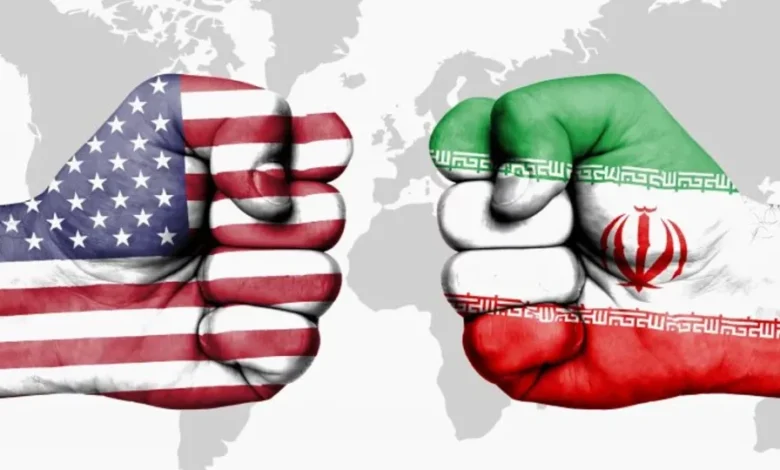
A divergence within the US administration pits one wing advocating a resumption of conflict against another pushing for continued diplomacy and negotiations with Tehran.
The Iranian news agency Fars reported, citing sources familiar with the ongoing negotiations, details regarding the US response to Iranian proposals within the talks. The information highlights the extent of disagreement between the two sides and the difficulty of reaching an agreement in this diplomatic “battle”.
According to these sources, the US response to Iran’s proposals includes five main conditions: no compensation or reparations, the removal of 400 kilograms of uranium from Iran to be handed over to the United States, the continuation of only one active Iranian nuclear facility, the release of no more than 25% of frozen Iranian assets, and linking the end of hostilities on all fronts to the completion of negotiations.
In return, Iran is setting preconditions to build trust for any negotiations and to end the conflict on all fronts, particularly in Lebanon. Mohammad Saleh Jokar, head of the Iranian parliament’s internal affairs committee, said that the conditions set by Supreme Leader Ali Khamenei constitute a “red line” in any potential talks with the United States.
He also stated that Tehran “does not trust Washington or the US president,” according to Mehr News Agency.
Jokar argued that Washington had been seeking through military pressure and sanctions to “change the regime, divide Iran, and control its resources,” but said these attempts had failed.
He noted that Iran refused to participate in a second round of talks scheduled to be held in Pakistan, explaining that Washington had recently proposed easing the maritime blockade in exchange for reopening the Strait of Hormuz to navigation, but Iran insisted on its “fundamental conditions” set by Khamenei.
According to Jokar, these conditions include regulated passage through the Strait of Hormuz under coordination with Iranian armed forces, an end to the war on all fronts and against all components of the “Axis of Resistance,” the withdrawal of US combat forces from the region, full compensation payments to Iran, the lifting of all sanctions, and the release of frozen Iranian assets abroad.
They also include recognition of Iran’s right to enrich uranium. Jokar stressed that Iran continues to view the United States as an “untrustworthy adversary” and will continue strengthening its military and economic capabilities independently.
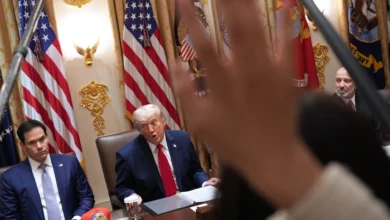
These remarks came after Donald Trump renewed his warnings to Tehran, saying that “bad things” could happen if a deal is not reached soon. They also come as Pakistan continues its mediation efforts between the two countries.
The US president had previously described Iran’s response to the American proposal as “very bad,” and confirmed that the US blockade imposed on Iranian ports since April 13 would not be lifted.
Tensions between the two sides escalated after Trump’s warnings urging Tehran to strike a deal or face severe consequences. Iran’s military responded by threatening a strong reaction to any attack or “American adventure”.
Iranian armed forces spokesman Brigadier General Abolfazl Shekarchi said on Sunday that “repeating any American folly will only result in harsher and more severe strikes.”
He added that the US president should know that if threats and aggression against Iran continue, US assets and forces will face new, offensive, and unpredictable scenarios, according to Tasnim News Agency.
He also said that US bases would be “swallowed by the swamp created by Trump’s adventurous policies.”
Tehran is aware of the significant economic impact of the Strait of Hormuz blockade and is using this crisis to buy time, as stated by Iranian Foreign Minister Abbas Araghchi, who said that the US war against Iran is imposing growing economic costs on the American public.
In a post on X, Araghchi addressed the impact of US policies toward Iran on the American economy, stating that Americans are being asked to bear the rapidly rising costs of a discretionary war against Iran.
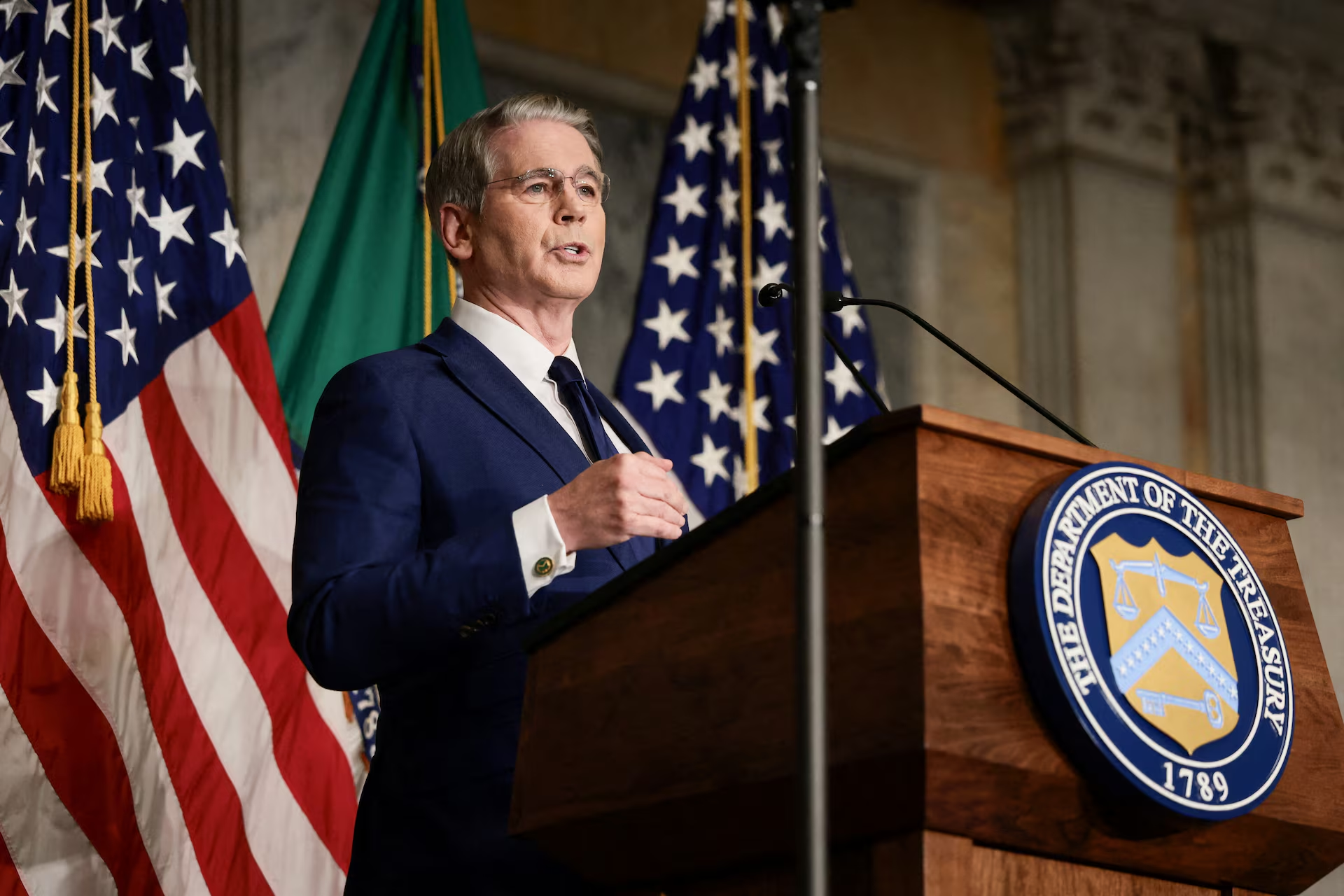
He explained that the real crisis for Americans will come when US debt and mortgage interest rates begin to rise, pointing to increasing US Treasury yields and concluding that “all of this could have been avoided.”
According to informed sources, Trump is considering options ranging from limited strikes to increased economic pressure through a tighter maritime blockade, and even a possible seizure of Iran’s Kharg oil island.
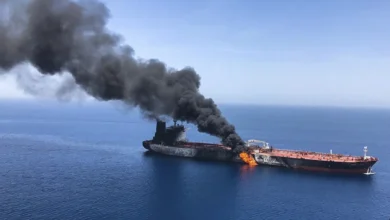
US officials said there is a split within the administration between a faction pushing for a resumption of military action and another favoring diplomacy and continued negotiations with Tehran. Meanwhile, Iran has continued its threats against shipping in the Strait of Hormuz, paralyzing maritime traffic in this vital waterway since the outbreak of the war between the United States and Israel on one side and Iran on the other on February 28.
While Trump has recently hinted at a military option, describing the current calm as merely the “calm before the storm,” Pakistan continues its mediation efforts, having sent its Interior Minister Mohammad Naqvi to Tehran on Saturday.