Can turmeric really help stop bleeding? Doctors explain
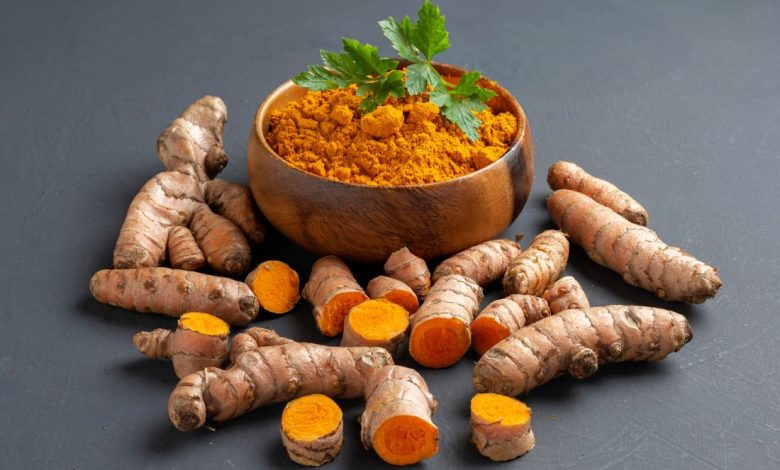
Turmeric has been used for centuries in various culinary and traditional medical practices, particularly in South Asia and the Middle East. Known for its intense yellow color and antioxidant properties, it is often promoted as a natural remedy capable of supporting inflammation control, digestion, and immune function. In recent years, some claims circulating on social media and within popular health traditions have also suggested that turmeric may help stop bleeding. However, this idea raises important medical questions because turmeric’s effects on blood clotting are complex and sometimes misunderstood.
-
Can turmeric lower blood pressure? A scientific perspective and expert insights
-
How long does turmeric stay in your body?
Understanding how bleeding works
When a blood vessel is damaged, the body activates several mechanisms designed to limit blood loss.
Platelets, clotting proteins, and blood vessels work together to form a protective clot.
The essential role of coagulation
Blood clotting is a vital mechanism that helps prevent severe bleeding.
However, precise balance is necessary because excessive clotting may also become dangerous.
What is turmeric?
Turmeric is a spice derived from the root of a plant called Curcuma longa.
It contains several active compounds, including curcumin, which has been extensively studied for its biological properties.
-
Is It Recommended to Consume Turmeric and Honey Together? A Beneficial Combination or Not?
-
Medical Warnings About Turmeric Supplements: An Underestimated Threat to Liver Health
Why is turmeric so widely studied?
Curcumin possesses antioxidant and anti-inflammatory properties that attract scientific interest in multiple medical fields.
Researchers are investigating its potential role in inflammatory, metabolic, and cardiovascular conditions.
Does turmeric actually stop bleeding?
At present, scientific evidence does not clearly demonstrate that turmeric can effectively stop significant bleeding.
Certain traditional uses exist, but they cannot replace proper medical care.
-
Black Cumin : A Natural Anti-Inflammatory Stronger Than Turmeric and Ginger
-
Ginger and Turmeric: “Hidden” Side Effects
A potentially opposite effect on clotting
Importantly, some research suggests that curcumin may actually influence blood clotting by reducing platelet aggregation.
This means that large amounts could theoretically increase bleeding risk in certain individuals.
Why does this confusion exist?
In some traditional healing practices, turmeric is applied locally to minor superficial wounds.
This cultural practice has sometimes led to the belief that it acts as a true hemostatic agent.
Minor cuts versus major bleeding: an essential distinction
A small superficial cut is completely different from deep or heavy bleeding.
Serious bleeding situations always require rapid professional evaluation.
-
Common spices that help relieve symptoms of polycystic ovary syndrome
-
A Daily Spoon of Black Seed Can Lower Cholesterol Within Weeks
The role of anti-inflammatory properties
Turmeric may help reduce certain local inflammatory reactions.
However, reducing inflammation does not necessarily mean stopping bleeding.
Attention to medication interactions
Doctors emphasize that turmeric may interact with certain medications, particularly blood thinners and antiplatelet drugs.
In some individuals, this interaction could increase bleeding risk.
-
Ginger: A Natural Remedy for Digestive Disorders?
-
Excessive Cinnamon Consumption: An Overlooked Risk for Liver Health
People who should be especially cautious
Individuals with clotting disorders or those taking anticoagulant medications should avoid excessive turmeric supplementation without medical advice.
Caution is also recommended before surgical procedures.
Turmeric in everyday nutrition
When used moderately as a culinary spice, turmeric is generally considered safe for most healthy individuals.
Concerns mainly involve high doses taken as concentrated supplements.
Limitations of natural remedies
Many natural products possess real biological properties, but this does not mean they can replace medical treatment.
Significant bleeding should always be considered a potential medical emergency.
-
Ginger – A Remarkable Ally for Your Health from Digestion to Heart
-
Excessive vitamin intake threatens liver health
When should medical attention be sought urgently?
Heavy or persistent bleeding, especially when associated with dizziness, weakness, or pain, requires immediate medical evaluation.
Self-treatment may delay essential care.
The danger of unverified viral health information
Social media sometimes spreads oversimplified or inaccurate health advice.
Specialists stress the importance of verifying information through reliable medical sources.
Other potential benefits of turmeric
Although its role in stopping bleeding remains unproven, turmeric continues to be studied for its possible effects on inflammation, oxidative stress, and certain chronic pain conditions.
Scientific understanding continues to evolve.
-
What Is the Ideal Timing to Take Dietary Supplements?
-
Ginger – The Natural Ally for Your Heart Health
The need for a scientific approach
Doctors emphasize the importance of distinguishing between traditional beliefs, scientific hypotheses, and solid clinical evidence.
Not all popular nutritional claims are systematically confirmed by modern research.
Turmeric should not be considered a reliable treatment for stopping significant bleeding. Although some traditional practices attribute hemostatic properties to it, current scientific evidence does not clearly confirm this effect. On the contrary, some studies suggest that curcumin may influence blood clotting and potentially increase bleeding risk in certain situations.
Consumed moderately as part of a normal diet, turmeric is generally safe for most individuals. However, in cases of major bleeding, clotting disorders, or anticoagulant medication use, medical advice remains essential. Natural remedies may complement healthy habits, but they should never replace appropriate medical care.
-
Ashwagandha: The Secret of the Ayurvedic Herb to Enhance Cognitive Abilities
-
5 Foods to Boost Energy and Ease Winter Fatigue