Do Keto Chewing Gums Really Help with Weight Loss? What Science Actually Says
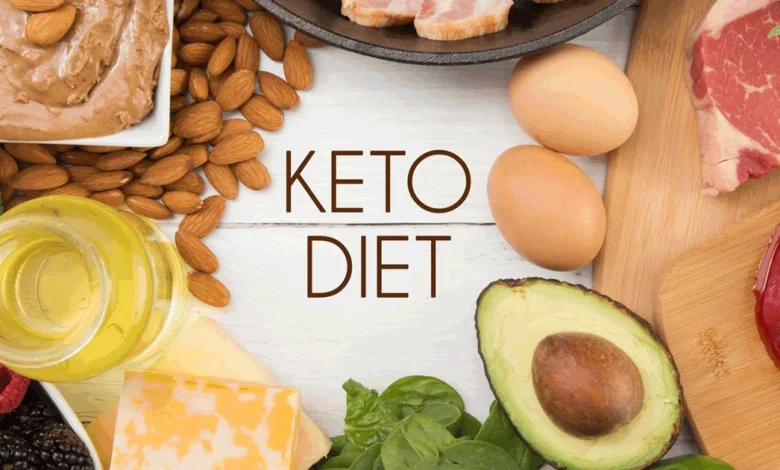
As low-carbohydrate diets continue to grow in popularity, an increasing number of products claim to make weight loss easier. Among them are so-called “keto” chewing gums, marketed as convenient supplements capable of boosting fat burning, suppressing appetite, or helping the body maintain ketosis without major dietary changes. These claims appeal to many people looking for a simple shortcut to weight management. However, the available scientific evidence paints a far more nuanced picture.
Nutrition experts emphasize that no chewing gum, regardless of its ingredients, can produce sustainable weight loss on its own. Although certain components may have modest effects on appetite, metabolism, or food cravings, they cannot replace a balanced diet, regular physical activity, and other healthy lifestyle habits. Current research therefore encourages consumers to distinguish evidence-based benefits from marketing claims.
What are keto chewing gums?
Keto chewing gums are products designed primarily for individuals following a ketogenic diet, which is characterized by a very low carbohydrate intake and a higher proportion of dietary fats.
Depending on the manufacturer, these gums may contain:
- medium-chain triglycerides (MCTs);
- electrolytes;
- vitamins;
- low-carbohydrate sweeteners;
- herbal extracts;
- breath-freshening ingredients.
Some formulations also include exogenous ketones, compounds intended to raise blood ketone levels and support ketosis.
However, ingredient lists vary considerably between brands, making it difficult to draw broad conclusions about their effectiveness.
Ketosis cannot be achieved simply by chewing gum
One of the most common marketing messages suggests that keto chewing gum can rapidly place the body into ketosis.
Scientists point out that nutritional ketosis primarily results from a substantial reduction in carbohydrate intake over several days, allowing the body to adapt its metabolism.
Even when a chewing gum contains exogenous ketones, temporarily increasing blood ketone concentrations does not necessarily mean the body is burning more stored fat or experiencing the full metabolic adaptations associated with a ketogenic diet.
Limited evidence for weight loss
To date, very few high-quality clinical trials have specifically investigated keto chewing gums themselves.
Most available research focuses on individual ingredients rather than the products as a whole.
Current evidence does not demonstrate that keto chewing gums produce significant or lasting weight loss.
When benefits are observed, they are generally modest and difficult to separate from the effects of healthier eating habits and increased physical activity.
In other words, if someone adopts a healthier lifestyle while also using keto chewing gum, it is impossible to attribute the weight loss to the gum alone.
Chewing gum and appetite control
Chewing gum—whether labeled keto or not—may temporarily reduce the desire to snack.
Several mechanisms may explain this effect:
- prolonged chewing activity;
- increased saliva production;
- sensory distraction;
- temporary oral satisfaction.
Some studies suggest that chewing gum may slightly reduce snack cravings in certain individuals, although these effects tend to be short-lived and highly variable.
On their own, they are unlikely to produce meaningful weight reduction.
Ingredients commonly highlighted
Many manufacturers promote specific ingredients believed to enhance metabolism.
Medium-chain triglycerides (MCTs), for example, are absorbed rapidly and can serve as an alternative energy source.
Some studies suggest they may modestly increase energy expenditure or promote feelings of fullness.
Nevertheless, these effects are relatively small and cannot substitute for a healthy dietary pattern.
Exogenous ketones have also attracted considerable scientific interest.
Although they can temporarily increase blood ketone concentrations, current evidence does not conclusively demonstrate that they directly increase fat loss.
The danger of exaggerated marketing
The popularity of keto products often relies on simplified advertising messages.
Some promotional materials imply that consumers can lose weight without changing their eating habits.
Scientific evidence does not support this claim.
Body weight is primarily influenced by overall energy balance—the relationship between calories consumed and calories expended.
Even during a ketogenic diet, excessive calorie intake can prevent weight loss.
Sweeteners and digestive considerations
Most keto chewing gums rely on sugar substitutes to minimize carbohydrate content.
Common examples include:
- xylitol;
- erythritol;
- sorbitol;
- stevia.
These sweeteners are generally considered safe when consumed in moderate amounts.
However, excessive intake of certain sugar alcohols may cause bloating, abdominal discomfort, or diarrhea in sensitive individuals.
Moderation therefore remains important.
More of a behavioral tool than a metabolic solution
Some dietitians believe that the greatest value of keto chewing gums may lie in their behavioral effects rather than their metabolic impact.
They may help certain individuals:
- reduce unnecessary snacking;
- manage sugar cravings;
- maintain fresh breath during ketosis;
- stay motivated while following dietary changes.
These psychological benefits may indirectly support weight management without directly increasing fat burning.
The true foundations of successful weight loss
Decades of research consistently show that sustainable weight management depends on long-term lifestyle changes.
The most important factors include:
- a balanced diet tailored to individual needs;
- regular physical activity;
- sufficient sleep;
- effective stress management;
- limiting ultra-processed foods;
- maintaining consistency over time.
No dietary supplement can replace these essential principles.
What do experts recommend?
Most nutrition specialists agree that keto chewing gums may serve as an optional supportive tool for individuals already committed to a structured nutrition plan.
However, they are not considered an independent weight-loss strategy.
Experts also advise consumers to remain cautious of marketing claims promising rapid or guaranteed results, particularly when such claims are not supported by robust clinical evidence.
Conclusion
Keto chewing gums have attracted growing interest among individuals seeking easier ways to lose weight, but current scientific evidence does not support the idea that they can significantly reduce body weight on their own. Some ingredients may modestly influence appetite or metabolism, while the act of chewing itself may temporarily reduce food cravings. Nevertheless, these effects remain limited and should not be viewed as substitutes for a balanced diet, regular exercise, and healthy lifestyle habits. According to current scientific understanding, keto chewing gums are best regarded as an optional complement to comprehensive weight-management strategies rather than a standalone solution for obesity or excess weight.