Trump Announces the End of the Memorandum of Understanding with Iran
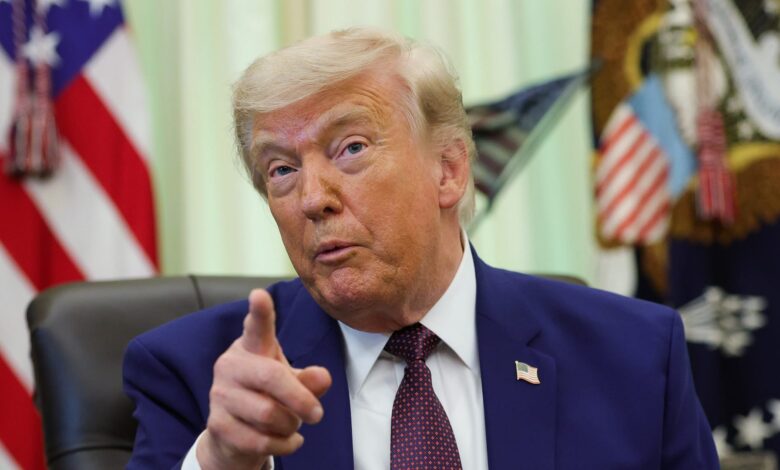
The U.S. president nevertheless leaves the door open to diplomacy, stating that if American negotiators wish to continue the process with Tehran, the decision rests with them.
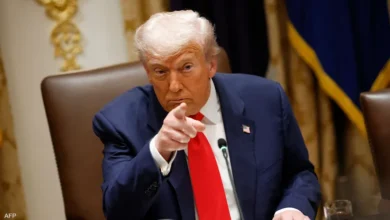
U.S. President Donald Trump said on Wednesday that the memorandum of understanding signed with Iran to end the conflict “has come to an end,” adding that he no longer wishes to engage with Tehran amid escalating tensions, particularly following attacks on vessels in the Strait of Hormuz, subsequent U.S. strikes, and Iranian retaliatory attacks targeting military bases in Kuwait and Bahrain.
-
Trump and Iran: three military paths on the decision table
-
Trump and Iran: 4 Possible Scenarios, Including “Shock and Awe”
Speaking to reporters in Ankara ahead of the opening of the North Atlantic Treaty Organization (NATO) summit, Trump adopted a sharp tone, saying, “I don’t want to deal with them,” referring to the Iranians, and adding that “they are sick.”
At the same time, he left the diplomatic channel open with Tehran, stating that if U.S. negotiators wished to continue the process, that decision would be theirs.
According to the text, the U.S. military is expected to launch intensive strikes against Tehran following the president’s remarks, while the positions of mediating countries, particularly Pakistan and Qatar, remain unclear after the latest announcement.
-
Trump Announces the End of the Memorandum of Understanding with Iran
-
Trump Promotes an Electoral Victory Over Iran and an Imminent Agreement
In Iran’s first official reaction to the developments, President Masoud Pezeshkian wrote on his account on the X platform: “We reject the tricks of the U.S. government and will firmly uphold our rights.”
He added: “The conduct of the U.S. government, as the host nation of the World Cup, reflects its familiar foreign policy: manipulating the rules, intimidating competitors, creating obstacles, and cheating.”
Trump‘s announcement ending the memorandum of understanding opens the door to a new phase of regional instability amid growing fears of a return to direct confrontation between Washington and Tehran and the possible expansion of military operations to additional theatres across the region. The decision could also provide Israel with greater strategic latitude, as Tel Aviv seeks to resume strikes against Iran following the collapse of prospects for de-escalation and the diplomatic framework previously provided by the memorandum.
-
Trump caught between pressure to end the Iran war and appeasing Republican hawks
-
Trump trapped in the Iran war between no victory and no peace
The development comes as countries across the region fear that renewed escalation could threaten maritime security and energy supplies while reigniting multiple fronts, particularly in Lebanon, the Red Sea, and the Gulf. It also places mediating states, foremost among them Qatar and Pakistan, under increasing pressure to preserve communication channels and prevent the parties from sliding into a broader confrontation.
Following these developments, Brent crude and U.S. crude oil prices rose by more than four percent, reflecting renewed concerns over global energy supplies, a trend that could have significant implications for the domestic situation in the United States.
For his part, NATO Secretary General Mark Rutte told the U.S. president that he agreed with his assessment regarding Iran, referring to what he described as Tehran’s continued violations and transgressions.
-
The war with Iran and the constraints of Congress… Trump surpasses the 60-day deadline
-
Mutual criticism… the Iran war reignites the rift between Trump and Merz
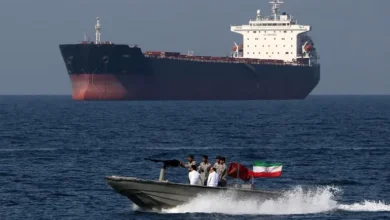
On Wednesday, Iran’s Islamic Revolutionary Guard Corps announced that it had carried out attacks targeting 85 U.S. military sites in Bahrain and Kuwait, stating that the strikes were launched in retaliation for U.S. airstrikes on facilities inside Iran. The development comes amid unprecedented regional tensions and mounting concerns that the confrontation could spread across the Gulf, particularly after attacks targeted three vessels in the Strait of Hormuz on Tuesday, followed by warnings about the consequences of threats to maritime navigation.
Following the Iranian announcement, Kuwait stated that its air defence systems had intercepted incoming projectiles heading toward its territory, while Bahrain had earlier announced that it had repelled missile attacks, highlighting the widening scope of the confrontation and the growing possibility that countries hosting U.S. military facilities could become theatres of escalation.
-
Iran to Trump: we did not request the extension of the truce, and the loser does not set the terms
-
We destroyed their forces and nuclear laboratories: Trump outlines the results of the war against Iran
The United States and Iran signed a memorandum of understanding on June 18 aimed at consolidating the ceasefire and creating favourable conditions for negotiations mediated by Qatar and Pakistan with the objective of reaching a final agreement. However, attacks on commercial vessels, followed by the U.S. military response, have raised fresh questions about the future of those understandings and the viability of the diplomatic process amid renewed military escalation.
-
Trump keeps Iran under pressure and anticipates an imminent end to the war
-
Trump’s deadline enters its decisive hours… Iran under bombardment and warning about trains