Air Conditioner or Fan: Which Is Better for Your Health During Summer?
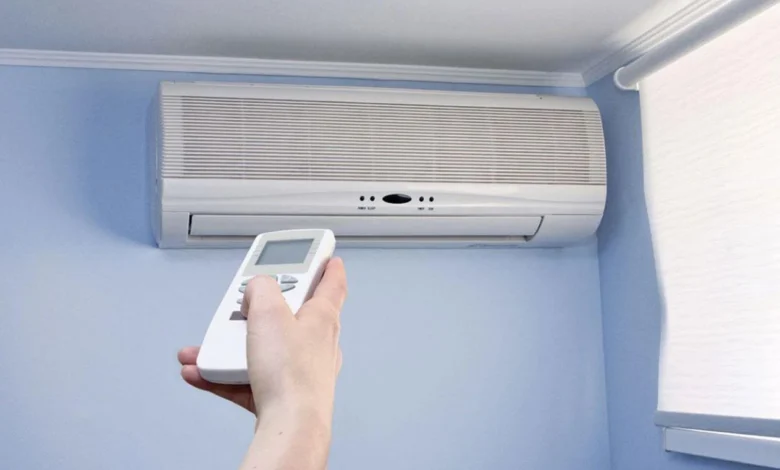
As summer temperatures rise and heatwaves become increasingly frequent, maintaining a comfortable body temperature is essential for protecting overall health. Two of the most common cooling options are air conditioners and electric fans. Although both provide relief from the heat, they work in different ways and offer distinct advantages and limitations. Choosing between an air conditioner and a fan depends on several factors, including outdoor temperature, individual health status, and the surrounding environment.
How Does the Body Regulate Temperature?
The human body normally maintains an internal temperature of approximately 37°C (98.6°F) through several physiological mechanisms. When environmental temperatures increase, blood vessels near the skin widen to release heat, while sweating cools the body through evaporation.
During extreme heat, however, these natural cooling mechanisms may become overwhelmed, increasing the risk of heat exhaustion and potentially life-threatening heatstroke.
Air Conditioners: Effective Cooling
Air conditioners actively lower indoor air temperature while also reducing humidity. Together, these effects make it easier for the body to dissipate excess heat.
During heatwaves, public health authorities often recommend spending several hours each day in an air-conditioned environment, particularly for older adults, infants, pregnant women, and people with chronic illnesses who are especially vulnerable to heat-related complications.
When properly maintained and set to a moderate temperature, air conditioning can significantly reduce the risk of dehydration, heat exhaustion, and heatstroke.
Potential Drawbacks of Air Conditioning
Despite its benefits, excessive use or poor maintenance may lead to certain problems.
Very cold air or large temperature differences between indoor and outdoor environments may cause discomfort, muscle stiffness, or respiratory irritation in sensitive individuals.
Air conditioners with dirty filters can accumulate dust, allergens, and microorganisms that negatively affect indoor air quality.
In addition, prolonged exposure to dry conditioned air may contribute to dry eyes, dry skin, and throat irritation.
Fans: Cooling Through Air Movement
Unlike air conditioners, fans do not lower the air temperature. Instead, they increase air circulation, enhancing the evaporation of sweat from the skin and creating a cooling sensation.
When ambient temperatures are moderate, fans can effectively improve comfort while consuming far less electricity than air conditioners.
They are also inexpensive, portable, and easy to use.
Limitations During Extreme Heat
During severe heatwaves, when air temperatures approach or exceed normal body temperature, fans become much less effective.
Under these conditions, circulating hot air may provide little cooling benefit and may not adequately prevent the body from overheating. For older adults, dehydrated individuals, and people with chronic illnesses, relying solely on a fan during extreme heat may be insufficient.
Health experts therefore caution against considering fans as the only protective measure during prolonged periods of excessive heat.
Which Option Is Better?
Air conditioning is generally the better choice:
- During heatwaves and extremely high temperatures.
- For older adults and medically vulnerable individuals.
- For infants and young children.
- For people with cardiovascular or respiratory conditions who are sensitive to heat.
Fans may be appropriate:
- During moderately warm weather.
- In well-ventilated rooms.
- As part of a broader cooling strategy that includes adequate hydration and reducing indoor heat exposure.
Healthy Ways to Stay Cool
Regardless of the cooling method chosen, experts recommend several protective measures:
- Drink water regularly, even before feeling thirsty.
- Avoid strenuous physical activity during the hottest hours of the day.
- Wear lightweight, loose-fitting, light-colored clothing.
- Ventilate indoor spaces when outdoor temperatures become cooler.
- If using air conditioning, maintain a moderate indoor temperature—typically around 24–26°C (75–79°F)—to avoid excessive temperature differences.
Air conditioners and fans each have an important role during the summer months. A fan can provide effective comfort under moderate conditions while using minimal energy. However, during intense heatwaves, air conditioning generally offers greater protection against dangerous heat-related illnesses, provided it is properly maintained and used responsibly. Regardless of the cooling method, staying hydrated, following public health recommendations, and avoiding prolonged heat exposure remain the most effective ways to protect your health throughout the summer.