Pasta or Rice: Which Is Better for Digestive Health?
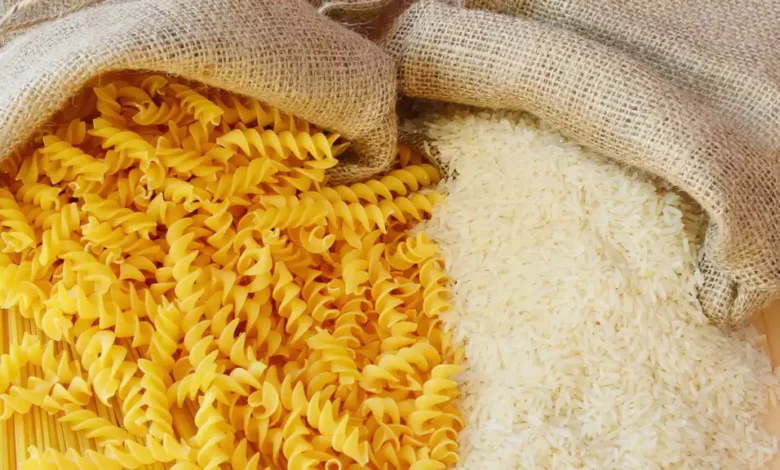
Pasta and rice are among the world’s most widely consumed staple foods and serve as important sources of carbohydrates, the body’s primary source of energy. They are frequently compared as part of healthy eating patterns, especially when digestive health is a concern. However, there is no universal answer regarding which is better. Their effects on the digestive system depend largely on how they are processed, prepared, their fiber content, and each person’s individual digestive needs. Nutrition experts generally agree that whole-grain varieties provide greater digestive benefits than their refined counterparts.
-
Rice, Quinoa, or Pasta… Which carbohydrates are best for your health?
-
Reheating rice: does it pose a risk of food poisoning?
The Importance of Dietary Fiber
Dietary fiber plays a vital role in maintaining a healthy digestive system. It supports regular bowel movements, nourishes beneficial gut bacteria, and helps prevent constipation.
Whole-wheat pasta and brown rice contain significantly more fiber than white pasta or white rice. This higher fiber content promotes longer-lasting fullness while supporting a healthier gut microbiome.
Refined products lose much of their fiber during processing, reducing many of these digestive benefits.
-
Protein pasta or whole wheat pasta: which is better for your health? Nutritional analysis and metabolic implications
-
Chinese Red Yeast Rice: The Asian Secret to Heart Health Lies in Its Fermentation
Pasta Provides Gradual Digestion
Pasta, particularly when cooked al dente, generally has a moderate glycemic index. It is digested more gradually, resulting in a slower release of glucose into the bloodstream.
When combined with vegetables, legumes, and lean proteins, pasta becomes part of a balanced meal that also supports digestive health.
Whole-wheat pasta offers additional nutritional value because it contains more fiber and B vitamins than refined pasta.
Rice Is Often Easy to Digest
Rice is commonly recommended for people experiencing temporary digestive discomfort, particularly diarrhea or intestinal irritation.
White rice is low in fiber and easy to digest, making it suitable for individuals with sensitive digestive systems. Brown rice, on the other hand, retains its outer bran layer, providing more fiber, minerals, antioxidants, and nutrients that promote long-term gut health for those who tolerate higher-fiber foods well.
The choice between white and brown rice therefore depends on an individual’s digestive condition.
-
Do cooled carbohydrates contain fewer calories? A scientific analysis of a nutritional myth
-
Five simple ways to increase fiber intake in your diet
Supporting the Gut Microbiome
The gut microbiome consists of trillions of beneficial microorganisms that play essential roles in digestion, immunity, and metabolism.
The fiber found in whole grains serves as food for beneficial gut bacteria, encouraging the production of short-chain fatty acids that support colon health.
From this perspective, both whole-wheat pasta and brown rice offer clear advantages over refined versions.
What About People With Digestive Disorders?
Nutritional needs vary depending on digestive conditions.
People living with irritable bowel syndrome (IBS), inflammatory bowel disease (IBD), or other gastrointestinal disorders may temporarily tolerate lower-fiber foods more comfortably during symptom flare-ups.
Conversely, healthy individuals generally benefit from a fiber-rich diet that supports normal bowel function and microbial diversity.
Anyone with chronic digestive conditions should follow personalized advice from healthcare professionals.
-
Low-carbohydrate diets may increase the risk of heart disease: scientific explanation
-
Why Is It Recommended to Follow a Low-Fiber Diet?
Meal Composition Matters
The nutritional value of a meal depends on much more than choosing between pasta and rice.
Heavy cream sauces, excessive processed meats, and insufficient vegetables can reduce the overall health benefits of either food.
Conversely, pairing pasta or rice with vegetables, legumes, fish, or lean proteins creates a more balanced meal that supports both digestion and overall health.
Which One Should You Choose?
Nutrition experts do not consider either food universally superior.
For digestive health:
- Whole-wheat pasta is rich in fiber and supports regular bowel function.
- Brown rice also provides fiber and nutrients that nourish the gut microbiome.
- White rice may be preferable during temporary digestive illnesses.
- Refined white pasta remains a good energy source but contains less fiber.
-
To Avoid Insulin Resistance and Weight Gain… Beware of “Refined Carbohydrates”
-
These Grains Contain the Lowest Amount of Carbohydrates
The healthiest approach is to include a variety of minimally processed carbohydrate sources within a balanced diet.
The choice between pasta and rice ultimately depends on individual digestive needs, overall health, and dietary habits. Whole-grain versions of both foods generally provide greater digestive benefits because of their higher fiber and nutrient content. Health experts emphasize that a varied diet rich in fruits, vegetables, legumes, whole grains, and adequate hydration remains the most effective strategy for maintaining a healthy digestive system and supporting long-term gut health.