Israel Resists Pressure to Withdraw from Buffer Zones in Syria, Gaza, and Lebanon
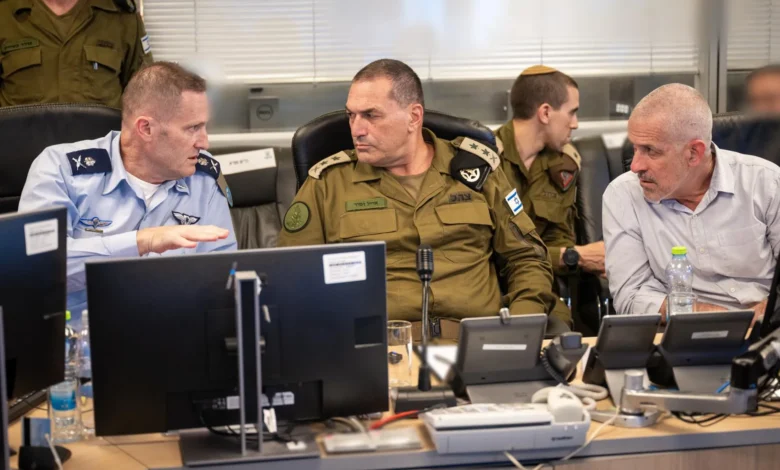
Israeli Prime Minister Benjamin Netanyahu is facing crucial elections, making it politically difficult for him to take any step that could be interpreted domestically as a “security concession.”
Israeli Defense Minister Israel Katz affirmed that Israel is determined to maintain its presence in security zones in Syria, Gaza, and Lebanon in order to protect its borders and communities exposed to security threats. He stated that he conveyed this position to U.S. Defense Secretary Pete Hegseth during a conversation on Thursday. His remarks came after the U.S. news outlet Axios reported several days earlier that President Donald Trump had asked Prime Minister Benjamin Netanyahu to withdraw Israeli forces from Lebanon and Syria.
-
Israel Warns the United States of an Alleged Iranian Plot to Assassinate Trump
-
Israel Seeks Trump’s Green Light to Strike Iran
The divergence highlights the contrast between the U.S. approach, which seeks to consolidate new regional arrangements and reduce sources of tension, and the Israeli position, which now regards the retention of buffer zones as an integral component of its security doctrine following the October 7, 2023 attacks. Available indications suggest that Washington’s pressure does not stem from a fundamental disagreement with Israel but rather from broader strategic calculations.
According to a statement issued by the Israeli Ministry of Defense, Katz spoke the previous evening with U.S. Defense Secretary Pete Hegseth. The two officials discussed the latest developments regarding U.S. military operations against Iran and agreed to continue bilateral cooperation in addressing any potential future developments.
-
Israel on High Alert Over Possible Attacks from Iran or Lebanon
-
U.S. Military Delegation to Visit Lebanon to Prepare for Israeli Withdrawal
Katz stressed that this position reflects one of the principal lessons Israel drew from the events of October 7. He emphasized that Israel has never asked the United States to secure its borders on its behalf. “We have never asked the United States to operate on our borders for us. We are committed to protecting the people of Israel from every threat, and that is exactly what we intend to continue doing,” he said.
Domestic political considerations also play a significant role. Netanyahu faces a decisive election and finds it difficult to endorse any measure that could be portrayed within Israel as a “security compromise,” particularly under pressure from right-wing parties advocating the continued Israeli control of these territories for an extended period. Some of their leading figures even call for establishing a permanent Israeli presence.
-
Developments Concerning Iran Prompt the U.S. Secretary of Defense to Cancel a Planned Visit to Israel
-
Settlement Outposts: Israel’s Tool to Absorb the West Bank Ahead of the Elections
Meanwhile, the Trump administration is seeking to consolidate the regional de-escalation efforts it has pursued for months. Washington believes that the continued deployment of Israeli forces inside Syrian and Lebanese territory could undermine emerging security arrangements and increase the likelihood of friction with the Syrian and Lebanese governments. According to Axios, U.S. officials said that President Donald Trump warned Netanyahu that Israel’s military presence in Syria “creates tensions and could lead to escalation.”
The United States is also leading negotiations over the implementation of the security agreement in southern Lebanon, which provides for a gradual Israeli withdrawal from designated areas in exchange for the deployment of the Lebanese Armed Forces and the introduction of new security arrangements. The U.S. administration considers this process a key test of the credibility of its diplomatic efforts.
-
Hegseth Visits Israel to Discuss Developments Concerning Iran and Lebanon
-
Israel Sets Timeline That Could Open the Door to Renewed War, with an Expected Announcement on Hamas
Despite Washington’s considerable influence, its ability to compel an immediate Israeli withdrawal remains limited. The United States can exert political and diplomatic pressure and link certain security and military issues to Israeli cooperation. At the same time, it seeks to avoid a major dispute with its closest regional ally, particularly amid ongoing tensions with Iran.
For this reason, the U.S. administration appears to favor a policy of “gradual withdrawal” rather than demanding a comprehensive and immediate pullout. This approach is reflected in discussions about establishing “pilot zones” in southern Lebanon, where new security arrangements would first be tested before expanding to additional areas.
-
Israel Reveals Details of a Soldier’s Abduction That Ended with an Unexpected Escape in the West Bank
-
Gadi Eisenkot, Netanyahu’s Opposite, Seeks to Become Israel’s Prime Minister
On June 26, Beirut and Tel Aviv signed, under U.S. mediation, a framework agreement providing for a phased Israeli withdrawal from all occupied Lebanese territory. The process was scheduled to begin with two pilot areas, although they were not publicly identified. Implementation, however, has yet to begin.
Regarding Syria, Washington seeks to support the country’s new authorities and strengthen stability in the south, which requires reducing sources of friction between Israeli forces, local communities, and the government in Damascus.
-
Loss of an Israeli Military Classified Phone in Syria
-
Israel Announces Killing Armed Militants in Syria and Lebanon and Pledges to Eliminate Threats
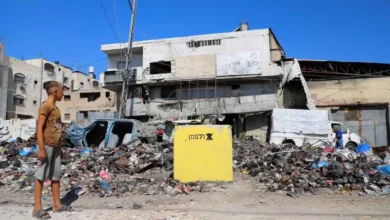
In October 2025, a ceasefire was reached in the Gaza Strip. Nevertheless, Israel continues to control approximately 70 percent of the territory.
Since 1967, Israel has occupied most of the Syrian Golan Heights. Following the collapse of Bashar al-Assad‘s government in late 2024, Israel declared the 1974 disengagement agreement between the two sides no longer applicable before taking control of the Syrian buffer zone.
-
Washington Understandings: Conflicting Reports Over a Partial Israeli Withdrawal from Southern Lebanon
-
Washington pushes a plan to transfer Israeli-controlled areas to the Lebanese Army