Five Remarkable Benefits That Make Core Muscle Training Worth Doing Every Day
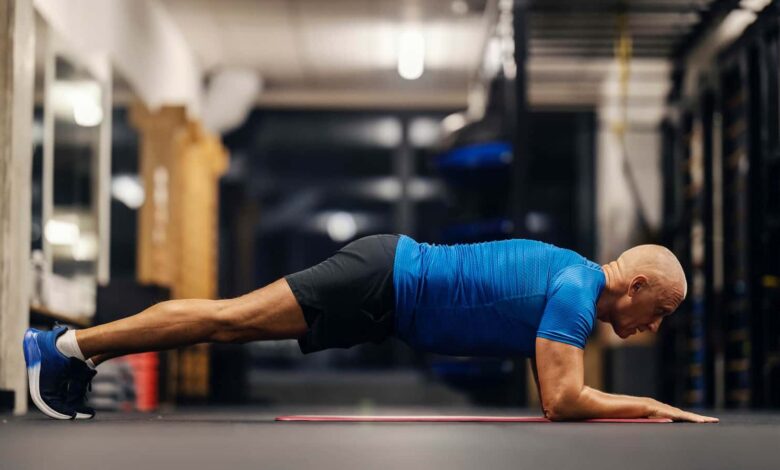
The core muscles form the body’s central support system and include the abdominal muscles, lower back muscles, pelvic muscles, diaphragm, and several deep stabilizing muscles surrounding the spine. Although many people associate core training with achieving visible abdominal muscles, its true importance extends far beyond appearance. The core plays a fundamental role in nearly every movement, from walking and lifting objects to maintaining balance and proper posture. Sports medicine specialists and physical therapists consider regular core strengthening one of the most effective ways to improve physical performance, reduce injury risk, and support long-term musculoskeletal health. Even a few minutes of appropriately designed exercises each day can provide lasting benefits when incorporated into a balanced fitness routine.
Improved Stability and Balance
One of the greatest benefits of strengthening the core is enhanced body stability. The deep muscles of the abdomen, lower back, and pelvis work together to stabilize the spine and maintain balance during movement.
A strong core distributes forces more efficiently throughout the body, reducing the likelihood of losing balance. This is particularly valuable for athletes who require precise body control and for older adults seeking to lower their risk of falls.
Reduced Lower Back Pain
Lower back pain is among the most common musculoskeletal conditions worldwide.
When the core muscles are weak, the spine receives less structural support, increasing stress on the intervertebral discs, ligaments, and spinal joints.
Properly performed core-strengthening exercises can improve spinal stability and help reduce certain types of chronic lower back pain. However, exercise programs should always be adapted to individual needs, especially for people with existing injuries or spinal disorders.
Better Athletic Performance
Nearly every athletic movement depends on efficient force transfer between the upper and lower body.
A strong core enhances this transfer, improving performance in activities such as running, swimming, cycling, strength training, and team sports.
Improved core stability also contributes to greater coordination, muscular power, endurance, and movement efficiency.
Improved Posture Throughout the Day
Modern lifestyles often involve prolonged sitting, particularly in front of computers, which can contribute to poor posture.
Strengthening the core helps maintain proper alignment of the spine, shoulders, and pelvis.
Better posture may reduce muscle tension in the neck, shoulders, and back while making everyday activities more comfortable.
Lower Risk of Injury
Core muscles play a vital role in protecting joints and controlling body movements.
When these muscles are strong, they help limit excessive or uncontrolled movements that can lead to injuries involving the knees, hips, and lower back.
For this reason, core training is routinely included in athletic conditioning programs designed to reduce injuries caused by repetitive movements or sudden changes in direction.
Which Exercises Are Most Effective?
Fitness professionals recommend performing a variety of exercises to strengthen all components of the core.
Among the most effective are:
- The plank.
- The side plank.
- The bird-dog exercise.
- The dead bug exercise.
- The glute bridge.
- Dynamic stability exercises.
- Selected yoga and Pilates movements.
The objective is not simply to strengthen the visible abdominal muscles but also to develop the deeper stabilizing muscles that support the spine and pelvis.
Should You Train Every Day?
Light core stability and activation exercises can generally be performed daily, provided the intensity remains appropriate and no pain occurs.
More demanding strength-training sessions require adequate recovery time to allow muscles to repair and become stronger.
Health professionals recommend integrating core exercises into a comprehensive fitness program that also includes aerobic exercise, full-body strength training, flexibility exercises, and adequate recovery.
Safety Considerations
Individuals with persistent back pain, herniated discs, or other musculoskeletal conditions should seek medical or physiotherapy advice before beginning a core-strengthening program.
Poor exercise technique can place unnecessary stress on the spine and increase the risk of injury.
Proper movement quality is always more important than exercise duration or intensity.
Daily core muscle training provides numerous health benefits that extend well beyond physical appearance. Improved balance, stronger posture, reduced lower back pain, enhanced athletic performance, and a lower risk of injury are among the most significant advantages of maintaining a strong core. Experts agree that a gradual, well-designed exercise program performed with proper technique and combined with an active lifestyle is one of the most effective ways to preserve mobility, physical function, and overall health throughout life.