Four Tablespoons a Day: Study Highlights Olive Oil’s Benefits for Heart Health
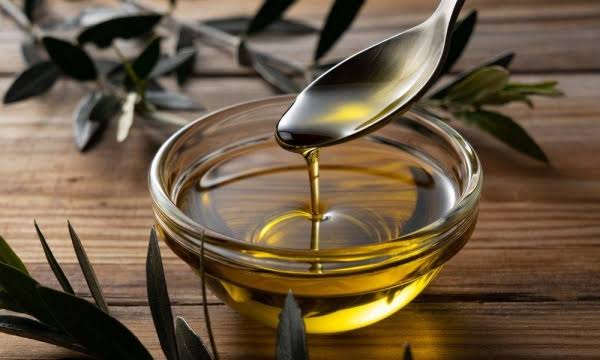
Olive oil has long been considered one of the cornerstones of the Mediterranean diet, an eating pattern widely recognized for its health benefits. Over the years, numerous scientific studies have demonstrated its role in helping prevent several chronic diseases, particularly cardiovascular conditions. A recent study suggests that consuming approximately four tablespoons of olive oil each day may help improve heart health by reducing several cardiovascular risk factors. However, researchers emphasize that these benefits should be viewed as part of an overall healthy dietary pattern and lifestyle rather than the effect of a single food alone.
Why Is Olive Oil Good for the Heart?
Extra virgin olive oil is especially rich in monounsaturated fatty acids, primarily oleic acid, which has been associated with healthier blood lipid levels. It also contains polyphenols, vitamin E, and other natural antioxidants that help protect cells from oxidative stress.
These bioactive compounds contribute to reducing low-grade chronic inflammation, an important factor in the development of atherosclerosis and cardiovascular disease. They also support the health of the endothelium, the thin layer of cells lining blood vessels that plays a crucial role in regulating blood circulation.
What Did the Study Find?
According to the researchers, consuming approximately four tablespoons of olive oil daily as part of a balanced diet was associated with improved cardiovascular health. Participants who regularly consumed this amount generally showed healthier cholesterol profiles, better vascular function, and lower levels of certain inflammatory markers.
The researchers caution, however, that these findings do not mean olive oil alone prevents heart disease. The observed benefits are also influenced by other healthy lifestyle habits, including diets rich in fruits, vegetables, legumes, whole grains, fish, and nuts, as well as regular physical activity.
Positive Effects on Cholesterol
One of olive oil’s best-known benefits is its influence on cholesterol levels.
The monounsaturated fats found in olive oil may help reduce low-density lipoprotein (LDL), commonly referred to as “bad” cholesterol, when they replace saturated fats in the diet. At the same time, they may help maintain or even increase levels of high-density lipoprotein (HDL), often called “good” cholesterol.
A healthier balance between LDL and HDL contributes to reducing the formation of fatty plaques inside arteries.
Fighting Chronic Inflammation
Chronic inflammation is now recognized as a major contributor to cardiovascular disease.
The polyphenols naturally present in olive oil possess antioxidant and anti-inflammatory properties that may reduce damage to blood vessels. These effects could help slow the progression of atherosclerosis while preserving arterial flexibility.
Additional Health Benefits
Beyond cardiovascular protection, olive oil has been linked to several other potential health benefits.
Research suggests it may help:
- Improve blood sugar regulation.
- Reduce the risk of type 2 diabetes.
- Support cognitive function during aging.
- Promote digestive health.
- Contribute to lowering the risk of certain inflammatory diseases.
These benefits, however, depend largely on the overall quality of the diet.
Should Everyone Consume Four Tablespoons Daily?
Nutrition experts point out that olive oil is an energy-dense food. Four tablespoons provide a considerable number of calories.
This amount can fit into a balanced diet if it replaces less healthy fat sources such as butter or foods rich in saturated fats, rather than simply adding extra calories to daily intake.
The ideal amount varies according to age, physical activity, health status, and individual nutritional requirements.
How to Include Olive Oil in Your Diet
Dietitians recommend several practical ways to incorporate olive oil into everyday meals:
- Use it as a salad dressing.
- Drizzle it over cooked vegetables.
- Cook with it at moderate temperatures.
- Replace butter and saturated-fat-rich sauces.
- Combine it with a diet based on minimally processed foods.
Whenever possible, choosing extra virgin olive oil is recommended because it retains higher levels of beneficial antioxidants and polyphenols.
Study Limitations
Researchers note that nutritional studies often identify associations rather than direct cause-and-effect relationships.
Therefore, the observed cardiovascular benefits may also reflect other healthy behaviors, including regular exercise, not smoking, adequate sleep, and maintaining an overall nutritious diet.
Additional research is needed to determine the optimal daily amount of olive oil for different populations.
Scientific evidence continues to support the role of olive oil—particularly extra virgin olive oil—in promoting cardiovascular health. Consuming up to approximately four tablespoons per day as part of a balanced Mediterranean-style diet may help improve cholesterol levels, reduce inflammation, and support healthy blood vessel function. Nevertheless, experts emphasize that no single food can guarantee heart protection. Long-term cardiovascular health depends on an overall healthy lifestyle that includes a balanced diet, regular physical activity, adequate sleep, and effective management of other cardiovascular risk factors.