What Happens to Your Body When You Eat Spicy Foods?
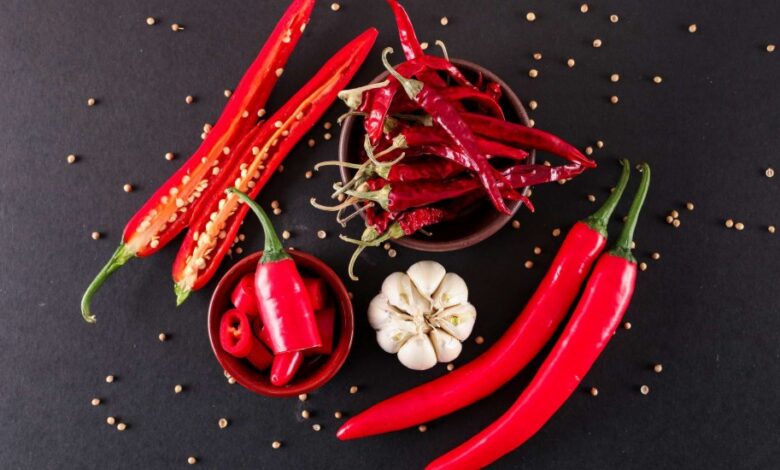
Spicy foods are an essential part of the culinary traditions of many cultures around the world. Whether they contain chili peppers, black pepper, paprika, or other spices, they are appreciated for their bold flavors and their ability to enhance meals. Beyond their culinary appeal, however, spicy foods trigger a variety of physiological responses throughout the body. The primary compound responsible for these effects is capsaicin, a natural substance found in chili peppers. Researchers continue to investigate its influence on metabolism, digestion, cardiovascular health, and even pain perception. While moderate consumption may offer certain health benefits, highly spicy foods are not suitable for everyone and may cause discomfort in some individuals.
Why Do Spicy Foods Cause a Burning Sensation?
Contrary to popular belief, spicy foods do not actually increase the temperature of your body or your meal. Instead, capsaicin activates sensory nerve receptors known as TRPV1 receptors, which normally respond to high temperatures.
As a result, the brain interprets this stimulation as a burning sensation even though no actual heat is present.
This explains why many people experience warmth or burning in the mouth, throat, and sometimes even the stomach after eating spicy foods.
A Temporary Boost in Metabolism
Capsaicin may slightly increase energy expenditure through a process known as thermogenesis. This mechanism causes the body to generate additional heat and burn a small number of extra calories for a limited period.
However, health experts emphasize that this metabolic boost is relatively modest and is not sufficient on its own to produce significant weight loss. A balanced diet and regular physical activity remain the primary factors in maintaining a healthy weight.
Effects on Appetite
Some studies suggest that spicy foods may temporarily increase feelings of fullness and slightly reduce appetite in certain individuals.
As a result, eating spicy meals may lead to a modest reduction in calorie intake during a meal. However, individual responses vary considerably depending on eating habits and personal tolerance.
Supporting Digestion
Spices stimulate saliva production and digestive secretions, helping the body break down food more efficiently.
For some individuals, this may improve digestion after meals. On the other hand, people with gastroesophageal reflux disease (GERD), gastritis, or irritable bowel syndrome may find that highly spicy foods worsen symptoms such as heartburn, abdominal pain, or diarrhea.
Effects on the Cardiovascular System
After eating a very spicy meal, it is common to experience a temporary increase in heart rate and sweating.
These responses are part of the body’s natural cooling mechanisms as it reacts to the sensation created by capsaicin.
Some research also suggests that regular consumption of spicy foods as part of a healthy dietary pattern may be associated with improved cardiovascular health. However, these potential benefits depend on many other lifestyle factors.
Endorphin Release
When capsaicin stimulates pain receptors, the brain may respond by releasing endorphins and dopamine.
These natural chemicals help reduce pain perception and may create feelings of pleasure or well-being after eating spicy foods. This response helps explain why many people enjoy highly spicy meals despite the temporary discomfort.
Potential Health Benefits
Scientific studies suggest that spicy foods may provide several potential health benefits.
They may help:
- Slightly increase energy expenditure.
- Temporarily stimulate metabolism.
- Provide antioxidant compounds.
- Reduce certain inflammatory processes.
- Add flavor diversity to a balanced diet.
Nevertheless, these effects are generally modest and should always be considered within the context of an overall healthy lifestyle.
When Should You Be Cautious?
Highly spicy foods are not appropriate for everyone.
They may trigger or worsen:
- Heartburn.
- Gastroesophageal reflux.
- Digestive discomfort.
- Certain forms of diarrhea.
- Mouth irritation in sensitive individuals.
People living with chronic digestive disorders should consult a healthcare professional to determine the most appropriate dietary approach.
How Can You Reduce the Burning Sensation?
Contrary to a common misconception, drinking water usually does little to relieve the burning sensation caused by capsaicin.
Dairy products such as milk or yogurt contain casein, a protein that helps dissolve capsaicin and reduce discomfort. Starchy foods like bread or rice may also help lessen the burning sensation.
Eating spicy foods triggers numerous physiological responses, including the familiar burning sensation, a temporary increase in metabolism, stimulation of digestion, and the release of endorphins that promote feelings of well-being. When consumed in moderation, spicy foods can be part of a balanced diet while providing flavor, antioxidants, and other potentially beneficial compounds. However, individual tolerance varies considerably, and people with digestive disorders should exercise caution to avoid aggravating existing symptoms.