Israel keeps Syria under military pressure despite de-escalation talks
Continued Israeli incursions into the Daraa and Quneitra governorates come amid reports of talks between the Syrian foreign minister and the head of the Mossad aimed at reaching a security agreement.
An Israeli army force entered the countryside of Daraa in southern Syria on Monday, one day after a meeting between Syrian Foreign Minister Asaad Hassan al-Shibani and Roman Gofman, director of Israel’s external intelligence service, the Mossad, as part of efforts to reduce tensions. The development appears to reflect the policy of Benjamin Netanyahu’s government of keeping Damascus under military pressure.
Syrian state broadcaster Al-Ikhbariya reported briefly: “Israeli occupation forces entered the village of Maariya in western rural Daraa with several military vehicles.” On Sunday, an Israeli force also entered the town of Al-Rafid in the southern governorate of Quneitra and detained a shepherd, according to the broadcaster.
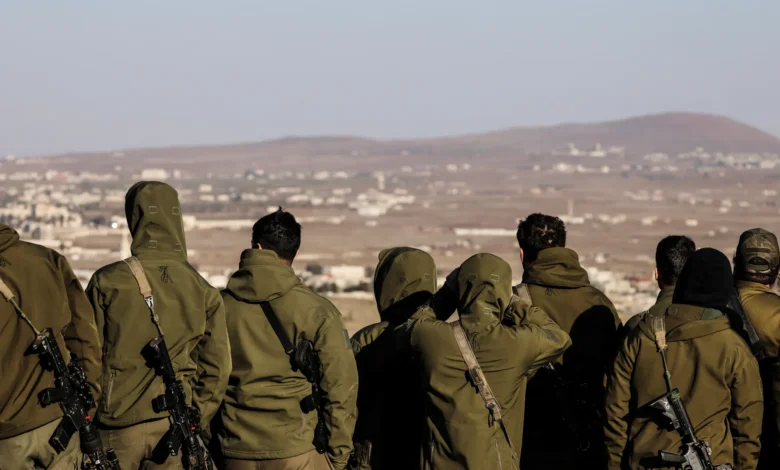
Areas of southern Syria have witnessed near-daily Israeli incursions and attacks, particularly in the governorates of Quneitra and Daraa. These operations include raids, searches, arrests and the establishment of military checkpoints, practices that have been condemned by several countries.
The renewed incursions, coinciding with meetings expected to lead to de-escalation, highlight a clear gap between the diplomatic track and developments on the ground. Israel continues to establish military facts on the ground despite negotiations over potential security arrangements. Observers argue that the continued incursions, arrests and targeting operations are not merely isolated security measures, but indicate Israel’s determination to retain broad freedom of action inside Syrian territory.
These moves also appear to form part of an ongoing effort to keep the Syrian government under military and security pressure, potentially affecting its ability to administer the south and assert its sovereignty over border areas. While Damascus is seeking to open a negotiating track that could lead to security understandings, Israel continues to strengthen its military presence. This places de-escalation efforts under constant strain and raises questions about Israel’s intentions regarding the future of its relationship with Syria and the scope of any potential agreement.
At dawn on August 18, Israeli aircraft carried out eight airstrikes against the runway of the Abu al-Duhur military airbase in Idlib governorate, northwestern Syria, causing damage to its infrastructure.
The source said that the discussions between al-Shibani and Gofman, under U.S. mediation, focused on “establishing practical mechanisms to halt Israeli attacks, arrests and targeting operations, and reviving the negotiating process with the aim of reaching a security agreement that could serve as the basis for a broader future agreement.”
On July 26, Syrian President Ahmad al-Sharaa said that his country was working, with the participation of several states, to conclude a security agreement with Israel. He added that “if the agreement succeeds, it would pave the way for comprehensive peace without relinquishing Syria’s legitimate right to the occupied Golan.”
Israel has occupied most of the Golan Heights since 1967. Following the fall of Bashar al-Assad’s regime in late 2024, Israel declared the 1974 Disengagement Agreement void and occupied the Syrian buffer zone as well as other positions, including the Syrian side of Mount Hermon.