Hezbollah Divided over Its Stance on a Potential Iran War
A Lebanese security source said there are disagreements within Hezbollah over the prospect of a new war between Iran on one side and the United States and Israel on the other. Political leaders oppose entering another confrontation, while military leaders are awaiting the position of Iran’s Islamic Revolutionary Guard Corps before determining their options.
The source said the political wing believes that entering another war would compound the losses suffered by the party and its social base, while threatening its remaining influence within Lebanese state institutions, particularly as government and international pressure for its disarmament intensifies.
Military leaders, by contrast, do not view a potential confrontation as a Lebanese decision separate from Iranian calculations. Instead, they are awaiting guidance from the Revolutionary Guard should Iran face another US-Israeli attack.
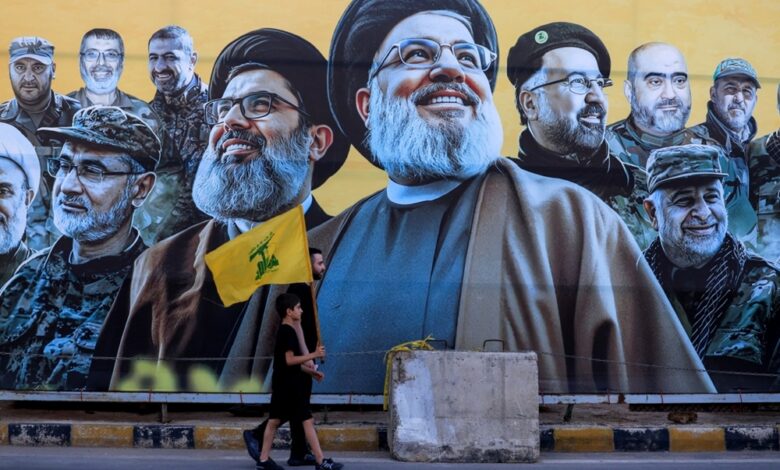
According to the source, the danger lies not only in the differing positions but also in the political leadership’s diminished ability to influence military decisions, including strategic choices about entering a war, compared with the period when Hassan Nasrallah led the movement.
Political Leaders Fear Another Catastrophe
The source linked political leaders’ opposition to another war to several domestic considerations, notably the human and material losses from previous confrontations, the crises surrounding displacement and reconstruction, and the party’s reduced capacity to sustain a major military conflict.
The source added that political leaders recognise that any renewed escalation would bring them into a more complicated confrontation with the Lebanese state. The government has moved from calling for weapons to be regulated to taking measures that reserve military and security activities for official institutions.
These concerns coincide with Lebanese political efforts to prevent the country from being drawn into another regional confrontation. Parliamentary Speaker Nabih Berri, who continues to mediate between the party and state institutions, is involved in those efforts.
In a notable development, Lebanese media reported that Berri had warned Hezbollah against participating in any new war against Iran. Meanwhile, Mohammad Raad, head of the Loyalty to the Resistance parliamentary bloc, expressed openness to avoiding escalation during a meeting with a Qatari official. These developments reinforce indications of a political desire to avoid war, but do not establish that this position has become binding on the military leadership.
Military Leaders Await the Revolutionary Guard
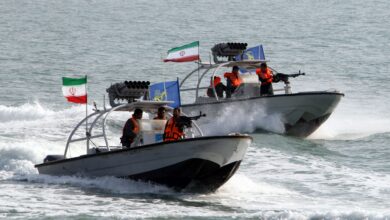
The security source said Hezbollah’s restructuring following the assassination of Nasrallah and its senior military commanders strengthened direct communication channels between the Jihad Council and the Revolutionary Guard, while reducing political leaders’ influence over military choices.
A Reuters investigation published last March revealed that the Revolutionary Guard had sent officers to Lebanon to help reorganise the party’s military command. The changes included a shift towards small units with greater operational autonomy following security breaches within the organisation.
The investigation also cited informed sources as saying that Iranian officers had helped draw up military plans and coordinate joint operations during the previous confrontation.
The Lebanese source believes these ties explain why military leaders are awaiting Iran’s position on a future war. The source stressed, however, that no decision to participate has yet been made and that military preparations do not necessarily mean orders have been issued to open the Lebanese front.
The March Precedent Fuels Concern
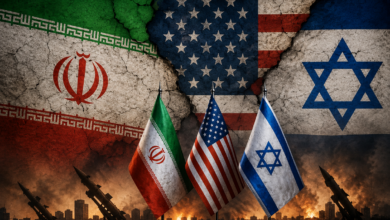
The current disagreements recall March 2026, when Hezbollah decided to launch rockets towards Israel following the outbreak of the US-Israeli war against Iran.
Reuters revealed at the time that several senior political figures within the party had not been informed of the attack decision in advance, despite its approval by the Shura Council and the Jihad Council. This confused within political circles.
The operation also triggered a dispute with Berri, who had received assurances that the party would not enter another confrontation, only to find himself facing a major military escalation.
The source said this episode remains prominent in internal discussions, particularly among political leaders who fear a repeat of a military decision whose consequences they would subsequently have to defend before the state and the Lebanese public.
Recent Iranian political messages, however, do not necessarily align with these concerns. Reports quoted an Iranian official visiting Beirut as saying that Tehran was not asking Hezbollah to intervene in its support in another war.
This discrepancy raises questions about how closely Iranian diplomatic messages correspond to instructions the Revolutionary Guard might issue to Hezbollah and other regional militias if fighting breaks out.
Who Holds the Power to Decide on War?
These developments confront Hezbollah with a dilemma that extends beyond the traditional tension between political and military activity. It concerns the limits of the political leadership’s authority over a decision that could draw Lebanon into another confrontation.
While political leaders seek to protect the party’s remaining presence within the state, the military leadership’s calculations remain tied to the nature of the regional confrontation and the Revolutionary Guard’s position.
There are no confirmed indications that these differences have developed into an openly declared organisational split. Nevertheless, the information provided by the source points to disagreements over priorities and the limits of participation in any future war.
The central test remains whether the political leadership can turn its opposition into a binding decision, or whether it will be left trying to contain the consequences of a confrontation whose terms of engagement may be settled through military channels.
Between the Cost to Lebanon and Regional Calculations
Researcher and strategic affairs expert Mohammad Youssef Al-Nour said that Hezbollah’s disagreement over joining another war alongside Iran reflects a profound divergence between the political and military wings’ calculations, rather than necessarily indicating an organisational split.
He said political leaders view war through the lens of its cost to Lebanon. They face growing domestic pressure over weapons, alongside reconstruction burdens and social and economic losses. Military leaders, however, approach a potential confrontation within broader regional calculations connected to the party’s relationship with Iran’s Revolutionary Guard.
According to Al-Nour, the danger is that political leaders may lack the effective power to block a military decision reached through coordination channels with Tehran, even though they would bear its consequences before the Lebanese state and society.
He concluded that, if this imbalance persists, the party could face a crisis in the unity of its decision-making. Any new war would test not only its military capabilities but also its political future and its relationship with the Lebanese state, presenting increasingly complex challenges.