International Relations Expert: Washington Is Using Sanctions to Force Iran to Reconsider Its Calculations
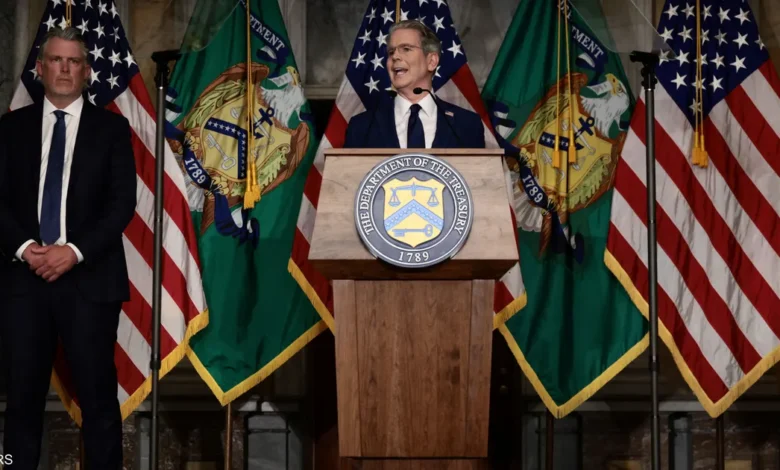
The United States is intensifying economic pressure on Iran through a new package of sanctions targeting vital sectors, in a move aimed at tightening the pressure on the Iranian economy and reducing Tehran’s ability to use alternative channels to circumvent the sanctions imposed on it.
The new measures target the digital assets, technology, gold, aviation, and maritime shipping sectors, while also targeting entities and networks linked to the Iranian economy, as part of a campaign Washington has called “Operation Economic Outcast.”
The US measures are not limited to Iranian institutions and entities, but also extend to foreign actors and companies that conduct business with Tehran, with the scope of secondary sanctions being expanded. This raises the cost of maintaining commercial and financial relations with the Iranian economy.
By targeting digital assets and gold, Washington seeks to limit Tehran’s ability to use alternative financial instruments, while pressure on the aviation and maritime shipping sectors aims to restrict the trade and transportation channels Iran relies on to circumvent economic restrictions.
The measures also target networks linked to the oil, transportation, and financing sectors, in an effort to increase the cost of Iranian oil exports and pursue intermediaries and companies that help Tehran maintain the flow of its revenues.
The expansion of sanctions reflects a shift in US pressure from directly targeting Iran to also encircling the external environment that helps it circumvent sanctions, by threatening parties doing business with Tehran with sanctions that could affect their access to the US financial system.
The move comes amid escalating tensions between Washington and Tehran, adding a new economic instrument to the existing US pressure tools, while the United States is betting that the rising cost of circumventing sanctions will push Iran’s leadership to reconsider its calculations.
However, the US strategy faces a challenge in Iran’s ability to develop alternative trade and financing routes and make use of networks and partners outside the Western financial system. The effectiveness of the sanctions therefore depends on Washington’s ability to pursue these channels and close off their avenues.
The new sanctions have thus become part of a broader economic confrontation between Washington and Tehran, targeting not only the Iranian economy but also the networks and sectors that enable it to maintain its ability to operate despite the sanctions.
Dr. Mohammed Al-Tamawi, a researcher in international relations, said that the new US sanctions targeting digital assets, technology, gold, and the aviation and maritime shipping sectors represented a strategic pressure tool positioned between the military option and the diplomatic track, and could not be regarded as an absolute substitute for military action.
Al-Tamawi said that, through what it has called “Operation Economic Outcast,” Washington was seeking to reshape the calculations of Iran’s leadership and pressure it before moving toward more escalatory options that could include military action.
He added that the US move was not aimed solely at harming the Iranian economy, but also sought to reduce Tehran’s ability to circumvent sanctions by targeting sectors that provide it with alternatives to traditional financial channels.
The international relations researcher noted that Washington was also acting against the external environment that helps Iran circumvent sanctions, pointing to the expanded risks of secondary sanctions for parties that continue to conduct business with Tehran.
He stressed that targeting digital assets, gold, aviation, and maritime shipping reflected a US attempt to narrow the routes Iran could use to maintain the flow of funds and trade, thereby increasing the cost of continuing its current policies.
Al-Tamawi considered the US message to go beyond traditional economic sanctions and become a tool for forcing Iran’s leadership to reconsider its calculations by applying pressure to economic and financial sectors that Tehran would find difficult to replace easily.
He noted that the success of this strategy would remain dependent on Washington’s ability to shut down channels used to circumvent sanctions and on the extent to which international actors comply with secondary sanctions. He stressed that the economic escalation formed part of a broader strategy combining pressure, sanctions, and the threat of military action.