Under the Cover of Humanitarian Relief, Regional Influence Expands as Sudanese People Await an End to the War
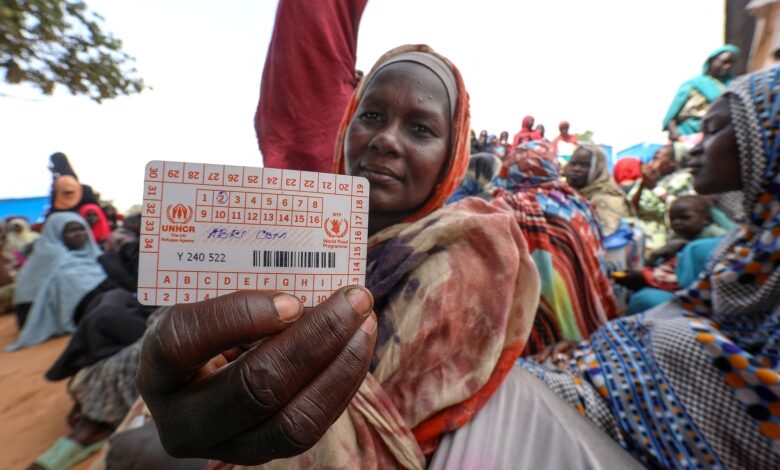
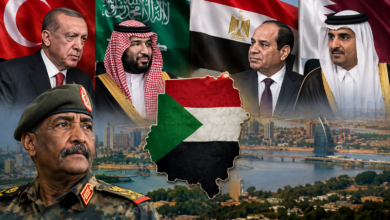
As Sudan faces one of the world’s gravest humanitarian catastrophes, regional activity surrounding the country is increasing, with Saudi Arabia, Egypt, Türkiye and Qatar playing prominent roles. Although each country uses different tools, the overall political outcome raises a growing question: has humanitarian action become more of a gateway to consolidating external influence than a direct route to ending the war?
Since the crisis began, Saudi Arabia has been associated with mediation efforts, particularly through the Jeddah process. Egypt views Sudan as an issue directly connected to its national security, borders, and regional interests. Türkiye and Qatar have maintained political and humanitarian relations with Sudan, with their presence particularly visible in aid delivery. In January 2026, a joint Turkish-Qatari relief ship arrived in Port Sudan carrying thousands of tonnes of food, shelter supplies and medical aid.
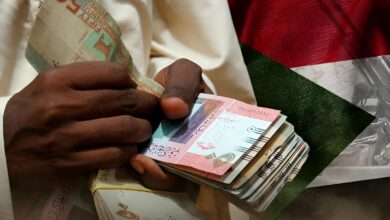
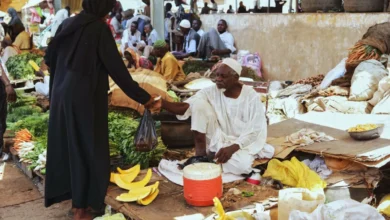
The scale of that assistance, however, does not by itself answer the most difficult political question. Sudanese people are suffering not only from shortages of food and medicine, but also from a continuing war that destroys infrastructure, displaces millions and prevents a return to normal life. According to recent British estimates, approximately 33.7 million people in Sudan need assistance in 2026, while the number of displaced people has reached around 13 million.
The humanitarian crisis is therefore no longer a short-term emergency; it has become a prolonged reality. The danger is that continuing to provide aid without parallel political progress could, even unintentionally, lead to the war being treated as a manageable crisis rather than a conflict that must be ended.
Criticism also grows as initiatives and mediators multiply. Sudan has seen numerous negotiating processes, from Jeddah to other regional and international mechanisms, alongside various formats, including four-party and five-party groupings. A recent Sudanese analysis concluded that the proliferation and overlap of these initiatives had failed to produce a genuine breakthrough in the peace process.
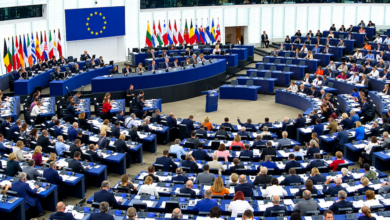
Against this backdrop, the participation of Türkiye, Saudi Arabia, Egypt and Qatar in international conferences and political efforts is receiving closer scrutiny. Their involvement may reflect a genuine desire to end the war. However, differing interests and priorities can lead each actor to approach the crisis from its own perspective. Sudan consequently risks becoming an arena where regional interests intersect, rather than remaining the primary decision-maker in determining its future.
Joint initiatives by some of these countries also demonstrate growing regional coordination. In June 2026, the foreign ministers of Egypt, Saudi Arabia and Türkiye held a trilateral meeting that addressed, among other issues, developments in Sudan and the Horn of Africa. Egypt, Saudi Arabia and Qatar also discussed the Sudanese crisis through official contacts in June of the same year.
The picture is therefore increasingly complex: aid continues, conferences continue and diplomatic contacts continue—but so does the war. This paradox gives critics grounds to question the effectiveness of the current approach: is more aid alone needed, or should regional powers use their political influence more decisively to bring the war to a lasting end?