Preparing for a Delayed Escalation: Iran War Disrupts Trump’s Electoral Calculations
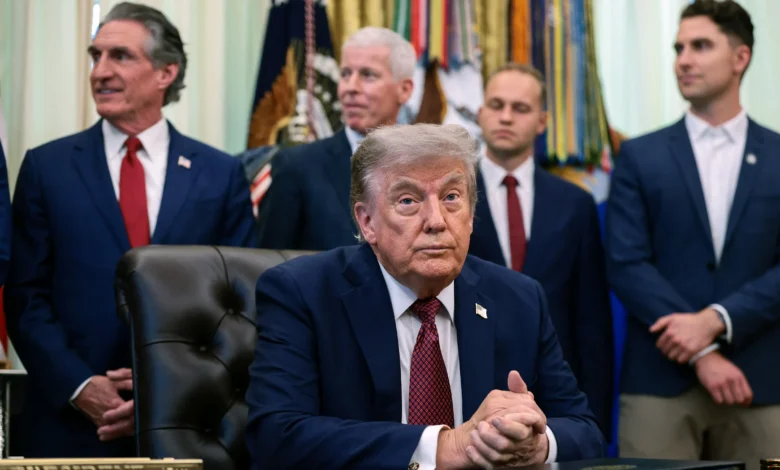
US President Donald Trump’s announcement that he will not launch fresh attacks on Iran before next month’s congressional midterm elections has raised questions about the war’s impact on Republican electoral prospects. His decision comes amid rising fuel prices and growing opposition to a conflict that has lasted longer than the president initially said it would.
Trump’s position reflects a growing awareness of the war’s political consequences. The cost of living has become one of the main challenges facing Republican candidates in closely contested congressional races in states such as Iowa, Ohio and North Carolina, all of which Trump won comfortably two years ago.
According to an analysis published by CNN, Iran has successfully exploited economic pressure to damage Trump politically, but has so far failed to persuade him to end the war on Tehran’s terms. That leaves renewed escalation over the next three weeks a possibility, despite the president’s announcement that attacks will be suspended until the elections.
Rising Fuel Prices Intensify Electoral Pressure
Writing on his Truth Social platform, Trump said the blockade targeting Iranian oil exports and ships had left the country in an extremely difficult position. He also stated that he would not attack Iran before the midterm elections.
The announcement followed reports that the US administration was considering resuming major military operations before the November 3 vote, seeking to demonstrate resolve and convince voters that an end to the war and lower fuel prices were within reach.
Fresh attacks, however, could backfire, particularly as some Republican candidates in tight races are calling for the conflict to end quickly.
Mike Rogers, the Republican Senate candidate in Michigan, said in a video released late last month that the war in Iran needed to end swiftly.
Polling illustrates the scale of the pressure facing the party. A CNN survey conducted with SSRS found that more than seven in ten voters in Iowa and Ohio believe Trump’s policies have increased the cost of living.
A Pew Research Center report also found that 74% of Americans were concerned about fuel and energy prices, compared with 43% before the war.
The national average price of gasoline remains at $4.36 per gallon, while diesel prices are still elevated despite falling from their peak last month.
Even if prices decline before the elections, that will not reimburse households for the additional money they have spent since the war began.
The Economic Blockade Has Not Resolved the Confrontation
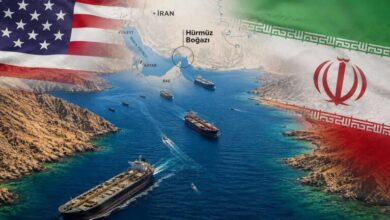
Iran is attempting to exploit economic pressure in the United States by disrupting oil supplies through the Strait of Hormuz and elsewhere, hoping the resulting economic fallout will force Trump to change his position.
The strategy recalls the Iran hostage crisis, which helped weaken Jimmy Carter’s presidency ahead of the 1980 election.
In May, Trump said he was not concerned about the midterm elections, arguing that Iran believed it could withstand the war’s consequences longer than he could because of the US electoral calendar. In later remarks, however, he suggested an agreement might be possible after the elections, saying Tehran was waiting to see how Republicans performed.
Despite the US administration’s continued commitment to its blockade strategy, it has yet to deliver electoral benefits for the Republican Party. Iran’s economy is certainly under severe pressure, with rising inflation and a weakening rial, but Tehran still refuses to concede defeat.
Iran’s official news agency quoted national security adviser Mohsen Rezaei as describing the current circumstances as among the most difficult periods the country had experienced. In subsequent remarks, however, he insisted that Iran would not surrender, accusing Washington of losing the military war and failing to achieve its economic objectives.
In the Strait of Hormuz, oil flows from regional countries other than Iran have returned to near-normal levels thanks to coordination led by the US military. That progress, however, remains fragile.
Reuters reported that traffic fell to seven ships on Tuesday and ten on Wednesday following an increase in attacks and harassment targeting oil tankers.
Escalating fighting between the Houthis in Yemen and Saudi Arabia has added further risks to energy markets, with Brent crude rising 4% on Thursday.
A Potential Political Showdown After the Elections
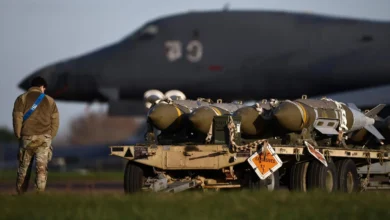
Trump has not ruled out resuming attacks after the elections. Reports indicate that the US administration plans to send an additional aircraft carrier strike group and a Marine unit to the Middle East, and that the president has told aides he expects bombing of Iran to resume after the vote.
Postponing military operations could ease the immediate electoral pressure on Trump, but it could also worsen the crisis over oil and fuel prices.
If Democrats gain control of the House of Representatives or the Senate, the president could face a tougher political battle next year over his authority to wage war and the funding of military operations, which had cost $45 billion by mid-September.
The elections therefore appear central to both sides’ calculations. Tehran is betting that economic pressure will constrain Trump’s ability to continue the war, while the US president is seeking to avoid electoral repercussions that could undermine his party. With prospects for a settlement still uncertain, the question in Washington remains whether fresh attacks could change Iran’s position after previous operations failed to produce the outcome the US administration sought.