External Support for the Sudanese Army: Are Qatar’s Calculations Helping Prolong the War?
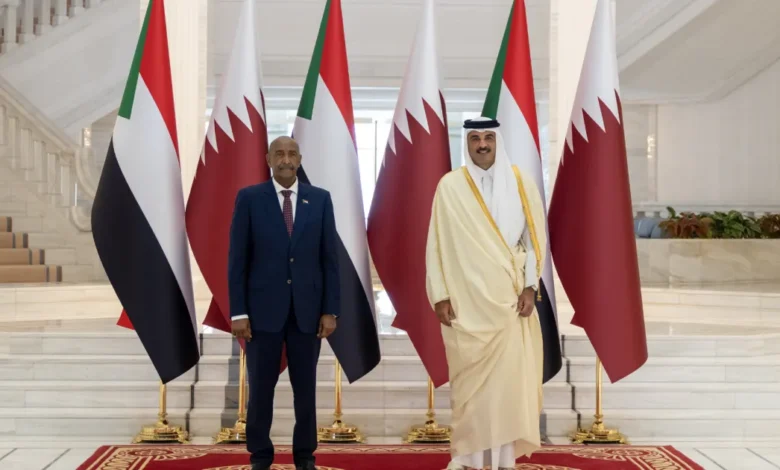
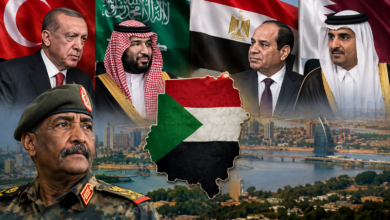
Sudan’s war can no longer be understood as an internal affair whose course is separate from regional and international dynamics. Since fighting erupted between the Sudanese Armed Forces and the Rapid Support Forces in April 2023, calculations of influence and security and political interests have become part of the landscape shaping the battles and the prospects for a settlement. Within this context, Qatar’s role warrants examination, particularly in light of reports addressing certain foreign states’ relations with the two warring parties.
That role raises important questions: does Doha confine itself to humanitarian assistance and participation in diplomatic efforts, or could its political relationships with Sudan’s governing institutions give it influence over military calculations? Can external support, regardless of who provides it, help prolong the war by supplying the belligerents with additional resources or reducing their willingness to make concessions?
Official positions alone cannot answer these questions. What is needed is an examination of the relationships involved, a comparison of statements with outcomes and scrutiny of information concerning any potential military support, without turning possibilities into definitive accusations before they are established.
Sudan’s War and Competing Foreign Interests
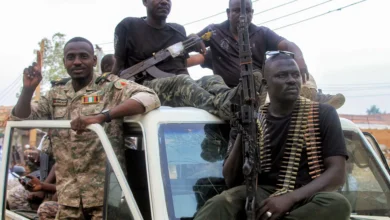
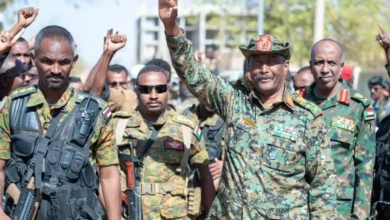
Sudan’s war erupted amid a deep political and military crisis, following escalating disagreements between the leadership of the armed forces and the Rapid Support Forces over power and arrangements for integrating the forces into a unified military institution. As the dispute became an open confrontation, prospects for a political transition receded, violence spread and the country entered a period of security, economic and humanitarian collapse.
Continued fighting, however, does not depend solely on decisions made by Sudanese leaders. External factors can affect the parties’ ability to sustain military operations through weapons, financing, training or political relationships that give them additional room for manoeuvre.
A report published by the US Congressional Research Service in May 2025 mentioned Qatar among the countries discussed in connection with reports of support for the Sudanese Armed Forces. It identified external support for the parties as one element of the war’s complex landscape.
This reference matters because it places foreign relationships among the factors that should be examined to understand why the conflict persists. On its own, however, it does not establish the nature or scale of Qatari support, or whether it involves direct military assistance. Nor does it prove that Doha deliberately seeks to prolong the war. Responsible reporting must therefore distinguish between what reports say, what can be established through independent evidence and what remains political analysis.
Nevertheless, the central question remains: if foreign relationships provide one party with additional advantages on the battlefield, what safeguards prevent those relationships from undermining the prospects for a settlement?
Between Political Relationships and Support for the Military
Qatar has maintained relations with Sudan for several years, encompassing political and humanitarian cooperation as well as participation in mediation efforts over Darfur. That experience demonstrated that Doha has communication channels and expertise in Sudan’s conflicts that could enable it to contribute to a new negotiating process.
Political relationships with state institutions, however, do not automatically amount to military support. It is essential to distinguish between supporting Sudan’s unity and sovereignty, maintaining diplomatic cooperation with the authorities in place and providing any military supplies or arrangements that might help one side continue fighting.
This distinction matters because supporting the Sudanese state as a national entity differs from supporting continued military operations without a political horizon. The former can include protecting civilian institutions, restoring services and rebuilding public administration. The latter, if accompanied by a flow of military resources without safeguards or serious ceasefire efforts, may help prolong the confrontation.
Attention should therefore focus on the nature of external support and its actual consequences. If assistance is directed towards hospitals, displaced people and affected sectors, it serves clear humanitarian needs. If evidence emerges that resources or facilities are being diverted to military purposes, that becomes a different matter requiring an independent investigation and clear accountability.
Above all, these standards must apply to every party and every country, without exceptions or preconceived judgements.
How Can External Support Prolong the War?
International experience shows that armed conflicts may continue when the warring parties can replace their losses and obtain new resources, or when they believe time favours their military position. In such circumstances, external support can alter their calculations even if the provider’s stated objective is not to prolong the conflict.
Access to additional military equipment, financial resources or logistical services can increase the recipient’s ability to sustain operations. This may reduce its incentive to accept a settlement that does not meet all its demands, particularly if it believes further battlefield gains will strengthen its future negotiating position.
That effect is not automatic, however. Some forms of external support may protect civilians or secure vital facilities, while political relationships may help open negotiating channels. It is therefore impossible to conclude that all external assistance necessarily prolongs the war.
For Qatar, the question worth examining is whether its relationships with Sudan are being used to press for a sustainable settlement, or whether they provide influence that could be exercised in ways that make political agreement harder to achieve. The information cited here does not provide sufficient evidence to conclude that Doha deliberately seeks to prolong the war.
The absence of conclusive evidence, however, does not end the need for scrutiny and accountability. It means that the appropriate course is to seek documented information about the nature of any potential support, its recipients, the safeguards governing it and its connection to efforts to end the fighting.
Humanitarian Aid Alone Cannot End the Crisis
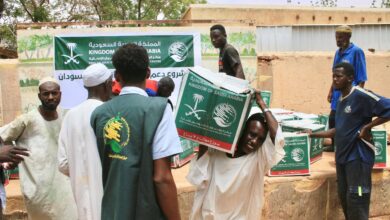
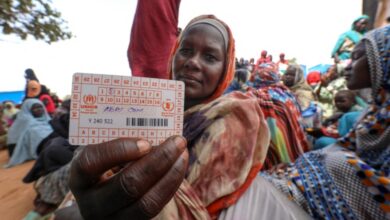
Qatar has repeatedly announced humanitarian assistance for Sudan. In February 2026, the Qatar Red Crescent Society announced the launch of an overland convoy carrying emergency and lifesaving medicines as part of an initiative with the Qatar Fund for Development. Further shipments were planned to benefit patients in several Sudanese states.
These initiatives are an important part of the crisis response, particularly given the damage to healthcare facilities and the difficulties people face in obtaining medicines and medical services. Such assistance must not be confused with military support unless evidence establishes that resources have been diverted from their humanitarian purpose.
However important it is, aid alone does not resolve the political and military causes of the war. Relief eases suffering, but it does not guarantee an end to bombardment, enable displaced people to return home, create an agreement to unify military and security institutions or independently provide the conditions for a stable political transition.
This underscores the need to combine relief with diplomacy. Countries that maintain relationships with the Sudanese parties can use their influence to support a ceasefire, ensure aid reaches affected areas and encourage negotiations that include civilian political forces and communities affected by the war.
Transparency in announcing and distributing assistance, together with independent oversight, also helps protect humanitarian work from political exploitation. Clear safeguards should prevent civilian resources from being used to strengthen either side’s military capabilities.
Doha’s Responsibility in Supporting a Political Settlement
If Qatar wishes to strengthen the credibility of its Sudan policy, its most important opportunity lies in turning diplomatic relationships into practical tools for de-escalation. This requires more than statements calling for dialogue. It demands actions whose results can be assessed, including pressure for a sustainable ceasefire, facilitating humanitarian access, encouraging prisoner exchanges and supporting civilian protection.
Doha can also help create a negotiating environment that extends beyond military leaders. Sudan’s future should not be decided through closed-door agreements between armed forces alone. Including civilian political forces, local communities and those involved in rebuilding state institutions would help address the roots of the crisis rather than relying on temporary arrangements that could reproduce the conflict.
Any mediation must be based on clear standards and must not become a means of giving one party additional time to improve its military position. A settlement should also include safeguards against renewed war, mechanisms to monitor compliance and a political process that places civilian institutions and the rule of law at the centre of the next phase.
If any external actor is found to be providing military support that contributes to continued fighting, its responsibility requires it to review that support, cooperate with investigative and oversight mechanisms and refrain from arrangements that increase the parties’ ability to sustain the war.
Sudan Between the Need for Support and the Risk of Dependency
Given the scale of destruction, Sudan cannot dispense with international cooperation or external assistance. It needs cooperation that strengthens its ability to restore its institutions, however, rather than relationships that make it more dependent on regional calculations.
The danger is that the war becomes an arena for competing foreign interests while national priorities are pushed aside and Sudanese citizens become the most vulnerable participants in a situation over which they have little influence. As fighting continues, sources of income diminish, educational opportunities decline, services are disrupted and millions face limited choices between displacement, poverty and insecurity.
Addressing this situation requires Sudanese leaders to accept responsibility for decisions about war and peace, an end to external interventions that fuel the conflict and assistance that helps restore civilian life rather than becoming another factor in the belligerents’ calculations.
Within this framework, questions about Qatar should not begin with a predetermined accusation. They should focus on the practical guarantees it can offer that its political and humanitarian relationships do not conflict with the objective of ending the war. Greater transparency about cooperation with Sudan would make it easier to assess Qatar’s role on the basis of facts and outcomes.
The continuation of Sudan’s war demands a serious review of the role of all domestic and external actors. Any support that increases combat capabilities without being linked to a workable political process may make a settlement harder to achieve. Responsibility, however, must be established through reliable evidence, rather than an assumption that humanitarian assistance conceals military activity.
For Qatar, reports discussing possible support for the Sudanese Armed Forces make questions about its political and military relationships legitimate. They do not, on their own, justify a definitive claim that Doha deliberately seeks to prolong the war. Any conclusion depends on evidence about the type, scale and objectives of the support and its actual effect on the conflict.
At the same time, Doha’s capacity to contribute to mediation and provide assistance offers a clear opportunity to demonstrate that its priority is sustainable peace rather than simply maintaining a political presence. It can do so by supporting a ceasefire, expanding humanitarian access, strengthening independent oversight and promoting a political process involving Sudanese civilian forces.
Sudan does not need further calculations that allow the war to continue. It needs international and regional action that raises the cost of obstructing peace, prevents the exploitation of civilian suffering and opens the way to restoring the state and its institutions.
The final assessment of Qatar’s role, like that of other external actors, should rest on one question: do the policies pursued help shorten the war and create the conditions for peace, or do they give the parties additional reasons to continue fighting? Answering that question requires rigorous investigation and sustained transparency, because Sudan’s future cannot remain hostage to competing interests while its citizens pay the highest price.