Rubio Accuses Iran of Using Nazi Tactics to Threaten Shipping in the Strait of Hormuz
The US secretary of state warns that reaching an agreement with Iran’s leadership will be difficult, arguing that its political and religious outlook complicates prospects for a settlement.
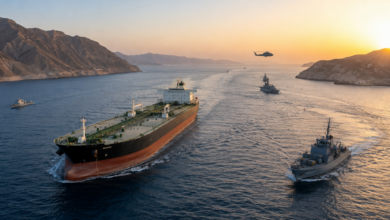
The United States has accused Iran of using Nazi warfare methods dating back to the Second World War to target merchant vessels in the Strait of Hormuz. The accusations come amid growing concern over the damage to shipping and global energy supplies caused by the confrontation between the two countries.
In a media interview, US Secretary of State Marco Rubio said Tehran was openly announcing attacks on merchant vessels. He compared its operations to the submarine tactics used by Nazi Germany against enemy and commercial ships during the Second World War. He called for a united international condemnation of these practices, arguing that they pose a threat extending beyond the US-Iran confrontation.
US concerns are not confined to the safety of ships. Rubio also warned that reaching an agreement with Iran’s leadership would be difficult, arguing that its political and religious outlook complicates prospects for a settlement. His remarks reflect Washington’s determination to maintain pressure on Tehran, as mediation efforts have yet to secure a firm understanding that guarantees freedom of navigation and ends the escalation.
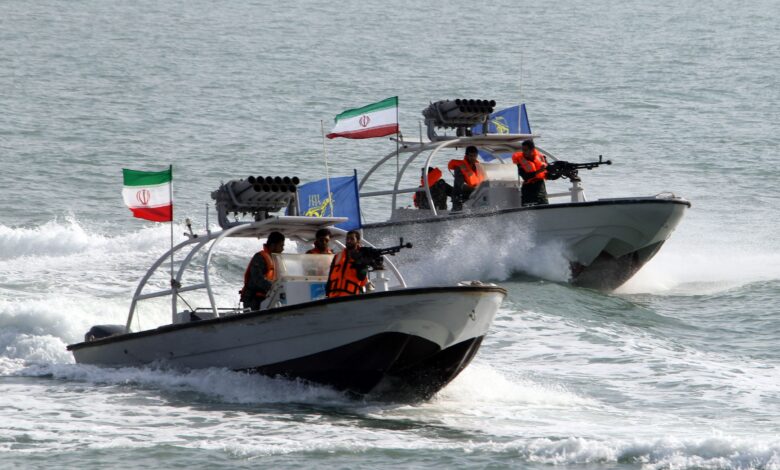
The comments come as risks mount in the strategic waterway, following reports of attacks on merchant vessels and tankers involving drones, mines and projectiles. Iran’s Islamic Revolutionary Guard Corps announced that two oil tankers had struck mines it had laid in the strait, accusing them of using a route Tehran considers unauthorised. These developments underscore how the dispute over transit rules now threatens the safety of crews and cargo, as well as international trade.
The escalation has also extended to digital infrastructure. A Revolutionary Guard spokesperson threatened to target undersea telecommunications cables running through the strait, noting that seven major cables lie in the area. The threats drew criticism from Qatar, which warned that disrupting communications and navigation would harm countries across the region, including Iran, and that the consequences would not be limited to the United States.
Iranian Foreign Minister Abbas Araghchi, meanwhile, made the full reopening of the strait conditional on reaching an understanding with Washington and on the United States fulfilling its commitments under the Islamabad memorandum of understanding. He accused Washington of obstructing the diplomatic process and said restrictions on navigation would remain in place until Iran’s demands were met. He added that Tehran and Muscat had agreed to designate routes for vessels transiting the strait.
Tehran reinforced its position during Pakistani army chief Asim Munir’s visit to Iran on Tuesday, informing him that it would not enter talks with Washington until its demands were addressed, according to Reuters. This points to a widening gap between the two sides despite Pakistan’s mediation efforts.
The crisis has global significance: before the war, roughly one-fifth of the world’s oil supply passed through the Strait of Hormuz. Continued disruption to navigation threatens to increase shipping and insurance costs and heighten energy price volatility. A political settlement remains the decisive factor in restoring stable shipping traffic.