From Water Treatment Plants to Sudan’s Battlefronts
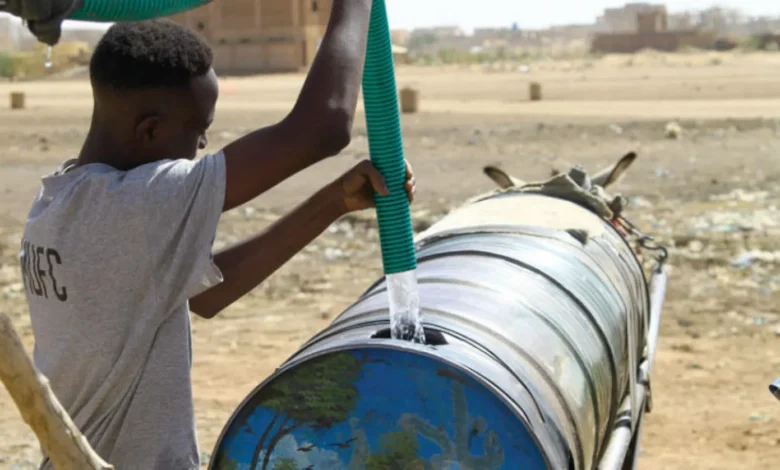
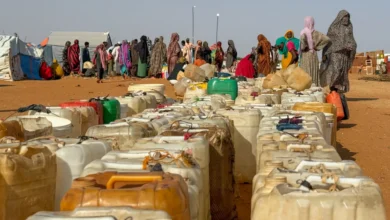
The cylinders used to disinfect drinking water in Sudan were never intended to become part of a military arsenal. Yet leaked documents concerning the chemical programme attributed to the Sudanese army have raised the possibility that chlorine was diverted from civilian facilities into a project to manufacture munitions for combat. The gravity of the case lies not only in the possible use of a toxic substance in warfare, but also in the fate of essential supplies that people rely on for safe water in a country facing a vast humanitarian crisis. An investigation published by The Washington Post in September 2026 described correspondence discussing several sources of chlorine, including cylinders said to have arrived from a neighbouring country and others associated with the Al-Manara water treatment plant in Omdurman. In an audio recording attributed by those who supplied the material to an officer linked to the project, the speaker discussed cylinders at the plant and referred to taking some of them. If independently verified against reliable records, this information would raise questions about how civilian chemicals were secured, how their movement was monitored, and whether water facilities were compromised to divert their supplies to a prohibited military use.
Al-Manara’s significance stems from its role in the water supply system, not merely from its appearance in the correspondence. Chlorine is essential for treating water and killing microorganisms that can transmit serious diseases. Treatment facilities therefore rely on it to keep supplies safe. The Washington Post investigation reported that UNICEF supplied chlorine to six water treatment plants in Khartoum between 2023 and 2025, including Al-Manara. It also quoted the organisation as saying that it had no record indicating that any of its supplies had been diverted to an unlawful use, and that the materials it provided were intended to make water safe to drink. This statement matters when assessing the cylinders’ origins: not every delivery to the plant can be treated as part of the alleged programme, nor can a humanitarian organisation be held responsible for the diversion of material supplied for civilian purposes without evidence of its subsequent movement. Each shipment must be traced separately, delivery, consumption and inventory records examined, and recorded quantities compared with those shown in images or mentioned in correspondence.
The published material indicates that, according to the accounts in the dossier, the alleged project did not rely on a single source of chlorine. Messages referred to the arrival of twenty cylinders from a neighbouring country, alongside internal estimates of how many munitions they could produce. They also mentioned cylinders at water treatment facilities. Investigators therefore need to reconstruct the entire supply chain, starting with the chemical’s source, tracing its transport, storage and delivery, and establishing whether it reached a munitions assembly facility. Estimates in the messages must not be confused with established outcomes: an official’s claim that a certain number of bombs could be produced does not necessarily mean that they were manufactured. Likewise, the presence of cylinders at a site does not prove that their contents were used in munitions. If authenticated, however, these details could help identify who handled the material, who had authority to access it and which weaknesses in oversight allowed it to move from civilian use towards possible use in warfare.
This line of inquiry becomes more significant when considered alongside press images of a facility suspected of being used to assemble munitions. The leaked material showed tanks, cylinders and manual equipment, as well as photographs of bombs being modified and footage of desert tests showing yellow vapours. According to experts cited by The Washington Post, some of the equipment pictured is consistent with a rudimentary system for filling munitions with liquefied chlorine. The newspaper also reported that the documents included a design for a dual-effect bomb combining gas and explosives. Although these indicators heighten concern about the project’s nature, establishing a link between the water plant’s cylinders and the photographed munitions requires further evidence, such as batch numbers, identifying marks, transport records and testimony from people who handled the cylinders. Proof that munitions were manufactured would not, on its own, establish how often they were used, which locations they targeted or what harm they caused.
The risks extend beyond the possible weaponisation of chlorine. Disruption to supplies or loss of control over them could itself affect water treatment plants’ ability to function. Where infrastructure is being destroyed or fuel and spare parts are scarce, the loss of disinfectants can undermine the continuity of water treatment. A chlorine leak in a location not equipped to handle it also poses health risks to workers and surrounding communities. These dangers increase when military activity overlaps with civilian facilities or hazardous materials are moved without adequate documentation. Nevertheless, the published material underpinning the investigation does not provide a sufficient basis to conclude that the diversion of cylinders caused a specific drinking water shortage or a particular disease outbreak. Potential harm must therefore be distinguished from established harm, with scrutiny of plant operating records, stock levels, delivery dates and any service interruptions. Only a rigorous assessment can determine whether the alleged programme affected the safety of civilian supplies, or whether particular materials were diverted without the consequences for the population yet being clear.
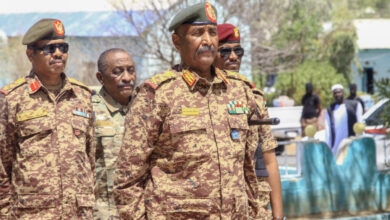
From the perspective of command responsibility, the case raises questions about how a military project of this kind gained access to civilian chemicals and who was responsible for securing them and monitoring their movement. Documents examined by The New York Times linked the alleged programme to a military officer whose name appeared in correspondence and photographs. They also referred to contacts with senior officials, including Al-Burhan. Establishing any commander’s responsibility for diverting chlorine from a water treatment plant into munitions, however, requires determining whether that commander ordered, approved or knew of the diversion, and whether they exercised effective authority over those who carried it out. The mere existence of contacts with senior commanders cannot be treated as conclusive evidence of a specific order. Nor should the issue be dismissed if authenticated documents indicate that the leadership knew of or intervened in the activity. Investigators must establish the chain of decision-making, from those responsible for securing the supplies to those responsible for transporting them, and from those who assembled the munitions to those who authorised their use. They must also examine whether attempts were made to conceal evidence of the activity after the allegations emerged.
The Chemical Weapons Convention provides a clear framework for distinguishing legitimate civilian uses of chemicals from their use as weapons. Chlorine is not prohibited in itself: essential sectors, including water treatment and industry, depend on it. Using it to inflict harm through its chemical action during hostilities, however, raises entirely different legal questions. The investigation should therefore not become a blanket accusation against everyone who handles chlorine. Instead, it should be a precise tracing exercise that distinguishes legitimate use, poor stock management and deliberate diversion to a prohibited military purpose. Any international body investigating the case will also need access to original evidence, documentation of how it was preserved, verification of the recordings and messages, and comparison of that material with shipping, import and storage records. Conclusions drawn from images alone, however disturbing, cannot replace these procedures.
The case also calls for a review of measures to protect water facilities in conflict zones, without allowing that review to become a justification for depriving people of the materials needed to make drinking water safe. Handling chlorine requires controls on its storage, transport and use, records of quantities entering and leaving facilities, and assurance that workers understand the safety procedures to follow in the event of a leak. If some disinfectant supplies are proven to have been diverted to military use, the weaknesses that enabled this must be identified, those responsible held accountable and oversight strengthened to protect civilian services. At the same time, water supplies and humanitarian water treatment operations must continue under safe arrangements. A blanket suspension could expose people with no involvement in the alleged programme to additional health risks.
At its core, Sudan’s chlorine case reveals a particularly dangerous intersection between warfare and civilian infrastructure. If the allegations are substantiated, a substance intended to protect people from disease may have been turned into a means of harming them, while facilities supplying water become part of a security and military investigation requiring independent scrutiny. Establishing the truth, however, requires more than naming Al-Manara or presenting an audio recording. It requires identifying every shipment, its route and its ultimate destination, verifying the speakers’ identities, and examining evidence linking chlorine sources to the munitions used. Investigators must also establish whether any quantities went missing from civilian stocks and whether this affected water supplies or worker safety. Just as the allegations demand a serious investigation, protecting the population requires avoiding unsupported conclusions, ensuring that essential services continue and holding accountable anyone proven to have turned civilian materials into weapons or unlawfully endangered civilians.