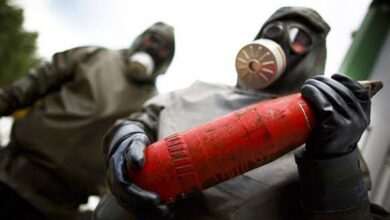
Diversion of Chlorine from Water Treatment to Munitions Raises Serious Humanitarian Concerns in Sudan
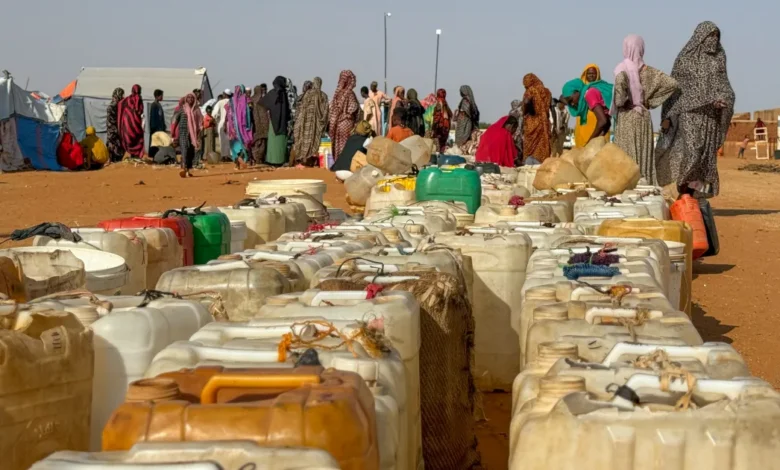
Reports published by US newspapers about the possible diversion of chlorine supplies intended for water treatment into chemical munitions production have raised concerns about the security of civilian facilities in Sudan. The continuing war has damaged water networks and healthcare services while weakening institutions’ ability to meet the population’s basic needs.
-
From Drinking Water to the Battlefield: How Chlorine Opened One of the Most Alarming Chapters of Sudan’s War
-
From India to Al-Gaili: How Do the Documents Trace the Path of Chlorine from a Water Treatment Plant to Sudan’s Battlefield?
According to investigations published in September 2026, some of the substances used in the alleged chemical weapons programme may have been obtained from a civilian water treatment facility, at a time when the country faced severe difficulties securing drinking water and disinfection supplies. If confirmed, this information would highlight the risks of diverting civilian-use chemicals into military applications, alongside the challenges humanitarian organisations face in ensuring supplies reach their intended recipients and are not misused. The issue is particularly sensitive because chlorine is essential to water disinfection when used in accordance with health standards, yet its release at high concentrations can seriously harm those exposed.
The mention of a water treatment facility in the documents does not necessarily mean that civilian services were affected by contamination or that residents suffered harm. These possibilities nevertheless require verification of how the substances were transported, stored and used. Any shortage of disinfection supplies could also create additional health risks for communities already struggling with weak infrastructure and limited access to clean water.
-
Impact of Military Attacks on Sudan’s Infrastructure: People’s Suffering and the Water and Electricity Crisis
-
Official: Nile waters in Sudan have started to decrease after severe floods
Addressing these concerns requires cooperation among health authorities, humanitarian organisations and bodies responsible for chemical oversight to identify supply sources, trace their movement and verify that no continuing risks threaten the population. The investigation should also examine records from the facilities named in the reports to establish whether substances were transferred lawfully or diverted to military use, and verify the safety of water sources in areas potentially connected to the programme.
These steps are important to avoid conflating chlorine’s legitimate civilian use with its prohibited use as a weapon, while ensuring that investigations do not disrupt essential services or deprive people of the materials needed to purify water. Accurate information must also be provided to those potentially affected, without exaggerating or downplaying the risks, and the necessary examinations conducted if indications of chemical exposure emerge.
-
Al-Uqaidat Mine Under Egyptian Air Strikes: Gold, Fear and Displacement for Sudanese Civilians at the Border
-
Cells of Slow Death: Physical and Sanitary Conditions in Sudanese Military Detention Centres
The continuing conflict may make some sites difficult to access, but this does not remove the need to collect and preserve evidence and document testimony. Protecting civilian facilities remains a fundamental responsibility: water sources, hospitals and humanitarian facilities must not become part of military operations.
If investigations establish that civilian-use substances were diverted into chemical munitions, the case would reveal a deeply troubling intersection between warfare and essential services. It would also strengthen the need for stricter oversight and international safeguards to prevent such practices from recurring.
-
Behind Darkened Walls: Starvation, Medical Neglect and the Collapse of the Sudanese Army’s Moral Narrative in Al Jazira
-
Torture and Arbitrary Detention of Civilians in Areas Controlled by the Sudanese Army
-
Chemical Psychological Warfare and Its Role in Forced Displacement and the Emptying of Sudanese Neighbourhoods
-
Sudan’s War: Why Peace Talks Have Struggled to Deliver