Sudanese Army Rejects Allegations as an Independent Investigation Remains Essential to Establishing the Truth
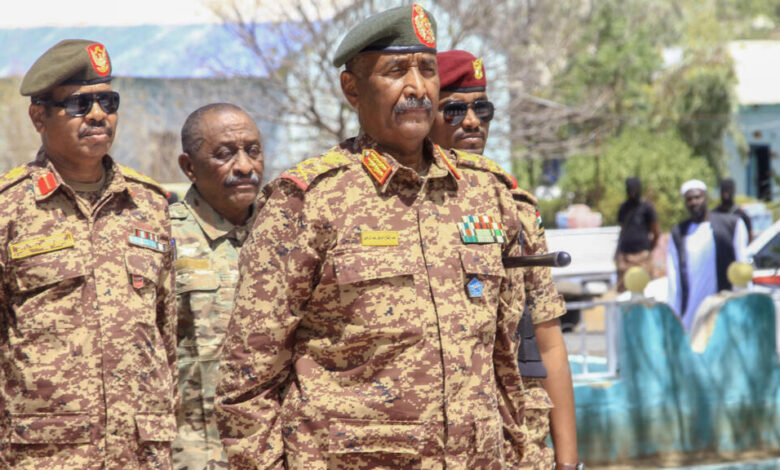
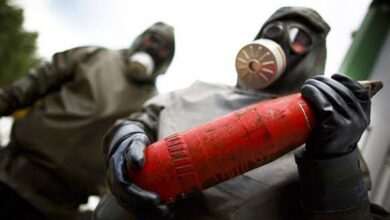
The Sudanese army has rejected allegations that it developed and used chemical weapons during the war, describing the claims covered by US newspapers as lacking a material basis. Its response comes amid growing international attention to documents published by the Washington Post and the New York Times in September 2026. The newspapers say the material they examined includes correspondence, photographs, videos and documents pointing to a secret military programme to develop chlorine-based munitions in 2024. They also cite information about field tests and quantities of munitions reportedly stored at military facilities.
-
Chemical Weapons Allegations Increase International Pressure on al-Burhan
-
Scorched-Earth Warfare and Chemical Weapons Allegations: Is the Sudanese Army Facing Its Most Serious Accountability Test Since the War Began?
The reports have also raised questions about senior officials’ knowledge of the alleged programme and the measures taken after the US allegations emerged. Sudanese authorities, meanwhile, maintain their rejection of the claims. According to the reports, a Sudanese committee established to investigate the matter announced that its measurements had found no evidence of chemical contamination.
However, the journalistic investigations indicate that this finding did not resolve questions about the new documents or their significance as evidence of a programme to manufacture and use munitions. These developments underscore the need for a thorough examination of all available evidence, including documents, communications and visual material, with verification of their sources, chronological context and links to specific military operations. Publishing documents is not enough to reach a definitive conclusion, just as an official denial cannot close the case without addressing the questions raised by the investigations.
-
From Dakar to International Forums: Sudan’s Chemical Weapons Allegations Open a New Human Rights Front Against Army Leaders
-
Sudan’s Chemical Weapons Inquiry Commission: Why Does the Call for an Independent Investigation Persist?
An independent investigation remains the most reliable way to resolve the matter. It would allow technical evidence to be examined separately from competing narratives and help establish whether the alleged munitions were actually manufactured, whether they were used in military operations and what consequences followed. Wherever possible, the investigation should include access to relevant sites, analysis of samples and chemicals, examination of military records and administrative documents, and witness interviews. Appropriate protection must be provided to those supplying information about the incidents.
A distinction must also be drawn between establishing the existence of a chemical weapons development programme and proving their use in a specific attack, as well as between confirming civilian casualties and determining individual responsibility for them. Each issue requires its own evidence and assessment criteria, and they should not be conflated in media coverage or political rhetoric.
-
Chemical Weapons Allegations in Sudan: New Documents Put the Army Under International Pressure
-
Sudanese Army and Chemical Weapons Allegations: New Evidence and Mounting International Pressure
If prohibited chemical weapons use is established, those responsible must be identified and measures taken to prevent recurrence, while ensuring redress for those affected. If investigations reveal errors or contradictions in some allegations, those findings must also be clearly disclosed. In a country exhausted by war, displacement and the collapse of services, establishing the truth is not solely about identifying those responsible.
It is also about protecting civilians, preventing further violations and strengthening confidence in the relevant institutions. Between the Sudanese army’s position and the allegations reported by US newspapers, verifiable evidence must be the deciding factor. Independent, transparent findings remain indispensable.
-
Chemical Weapons Put Sudan’s Military Establishment Under Scrutiny: Internal Breaches, Cover-Up Allegations and Questions over Foreign Ties
-
The Hidden Dimensions of Sudan’s Conflict: From Chemical Weapons Scandals to Battles over Money and Influence in Port Sudan
-
Behind Closed Doors in Sudan: Leaked Chemical Weapons Documents and a Plan to Remove Armed Movements from Power
-
Sudan’s Converging Unconventional Agendas: From Chemical Weapons Revelations to the Marginalisation of Allies in Port Sudan
-
From Washington’s sanctions to calls from Geneva: the chemical weapons issue intensifies international pressure on Sudan
-
Washington Escalates Sudan Chemical Weapons Case: Sanctions, Investigations and International Pressure
-
Chemical Weapons in Sudan: When the Air Itself Becomes Part of the War
-
New Evidence of Sudan’s Chemical Weapons Program… What Do the Documents and Images Reveal?
-
Washington Renews Accusations Against Sudanese Army Over Use of Chemical Weapons… A Case That Puts the Sudan War Before a New International Test
-
Chemical Weapons in Sudan: What Comes After the Accusations and Sanctions?
-
Chemical Weapons in Sudan: Evidence and Testimonies Put the Army Under Scrutiny as Calls for an International Investigation Grow