US-Israeli Plans to Strike Iran After the Midterm Elections
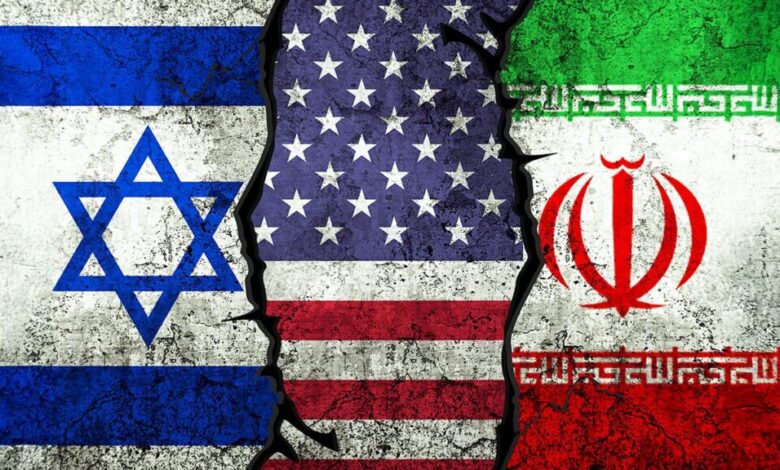
The US ambassador to the United Nations says Washington is preparing for a prolonged confrontation with Tehran. Meanwhile, reports indicate that military officials believe an intensive campaign lasting around three days could further damage Iranian capabilities and increase pressure on the country’s economy.
The United States and Israel have drawn up military plans to resume strikes against Iran after the US midterm elections, scheduled for 3 November. The plans cover energy facilities, nuclear sites, and missile and drone stockpiles, according to US media reports published on 21 and 22 October. This does not, however, mean that a final decision to launch an attack has been made.
In an interview with the Financial Times published on Friday, US Ambassador to the United Nations Mike Waltz said Washington was preparing for a prolonged confrontation with Tehran. The administration nevertheless hopes military pressure and economic sanctions will push Iran into making concessions on its nuclear programme and restoring shipping through the Strait of Hormuz to pre-war levels.
Waltz added that, a year from now, the United States could still face a protracted stalemate, with neither an agreement on Iran’s nuclear programme nor a restoration of shipping through the strait. He said the US Navy could maintain its blockade of Iranian ports for the foreseeable future, while the administration worked to intensify economic pressure on Tehran.
The ambassador stressed that Washington would achieve its strategic war aims only after addressing Iran’s highly enriched nuclear material and securing an effective agreement on uranium enrichment inside Iran.
On Thursday, The New York Times reported that US and Israeli military planners had developed options for resuming operations after the US elections. Axios and National Public Radio, NPR, provided further details about air preparations and disagreements over the timing of any attack.
According to The New York Times, some officials believe an intensive military campaign lasting around three days could inflict further damage on Iranian capabilities and increase economic pressure to push Tehran into concessions at the negotiating table.
The options under consideration include energy facilities, nuclear capabilities, and missile and drone stockpiles, suggesting a possible approach targeting both Iran’s military and economic infrastructure.
In a sign of continuing operational preparations, Axios revealed that dozens of Israeli fighter jets conducted a long-range mission on Monday, supported by aerial refuelling aircraft. They flew more than 800 miles, approximately 1,287 kilometres, through Syria and Iraq towards the Iranian border before returning to Israel.
Israel informed the United States of the manoeuvre, presenting it as a military exercise and a show of force rather than an offensive operation.
The mission coincided with US Defence Secretary Pete Hegseth’s visit to Israel and his meeting with Prime Minister Benjamin Netanyahu at Ovda Airbase. Officials said, however, that it was unrelated to the visit. Axios cited US officials as saying that some suspected Israeli officials might have hoped the manoeuvre would provoke an Iranian response, potentially providing grounds for escalation. That assessment was not, however, established as a declared objective of the operation.
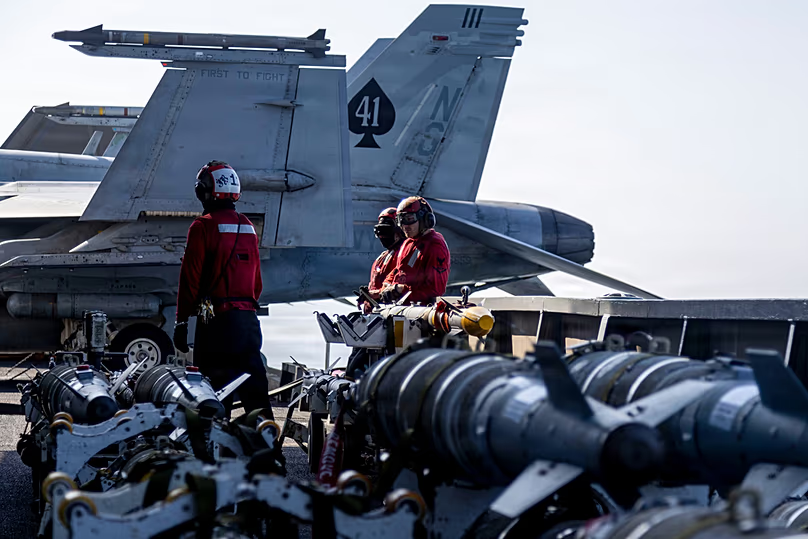
In a report published by NPR on Thursday, a source familiar with US-Israeli military planning said Israel had initially planned to strike Iran in mid-October, before the Israeli elections scheduled for 27 October, but President Donald Trump objected to the timing. The source added that the United States had begun deploying forces to the region in preparation for a possible attack in early November. The military preparations could also be used to pressure Tehran into a diplomatic agreement.
These developments follow US-Israeli discussions about returning to combat.
On 13 October, Axios reported, citing informed officials, that Trump and Netanyahu had discussed a possible new operation. A White House official, however, denied that the president had discussed resuming the war with the Israeli prime minister. The outlet also reported that senior administration officials held a lengthy meeting at Camp David on 2 October to consider the available options. According to informed sources, Hegseth and US Central Command were among those supporting renewed strikes.
Several Trump advisers, by contrast, favoured continuing sanctions and economic pressure rather than returning to a large-scale war. They feared that attacks on Iranian energy facilities would drive up oil and fuel prices and intensify inflationary pressures in the United States. According to the report, Trump may seek to avoid striking Iran’s oil infrastructure even if he approves a new operation.
Military planning also faces political considerations surrounding the Israeli and US elections. During discussions with his US counterpart Dan Caine, Israeli Chief of Staff Eyal Zamir warned that a large-scale war before Israel’s elections could force their postponement if Iran responded by launching large numbers of ballistic missiles at Israel, according to Israeli media reports cited by Axios. Security officials also expressed concern that escalating threats could prompt Tehran to launch a pre-emptive attack.
In an address to military personnel on Wednesday, Netanyahu said Iran’s leadership had not abandoned its nuclear ambitions and threatened to topple the Iranian regime. The following day, however, he said reports that he was seeking a new attack did not accurately reflect his discussions with Trump, without disclosing their details.
In Tehran, Foreign Minister Abbas Araghchi said his country was as ready for diplomacy as it was for war, according to remarks reported by Iranian state media and carried by NPR. The broadcaster also quoted an Iranian security official warning that any attack targeting Iranian officials or civilian infrastructure would trigger strikes on US interests in the region and assets belonging to countries participating in the war.
Iran also threatened to expand its response to digital infrastructure in the Gulf, including data centres and undersea cables carrying internet traffic through the region. NPR quoted Revolutionary Guard official Yadollah Javani as saying Iran was prepared to destroy internet cables running beneath the Strait of Hormuz. The reports provided no evidence that a final decision had been made to carry out these threats.
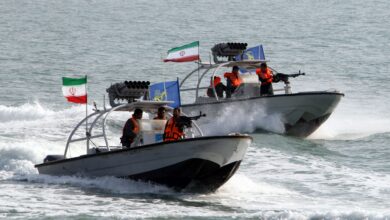
The preparations coincided with rising tensions in the Gulf. In its “Early Edition” briefing on 22 October, Just Security reported, citing Reuters, that the Revolutionary Guard’s navy had announced that four vessels it accused of transporting illicit oil in the northern Gulf had been hit and caught fire. It also reported that three other ships had struck mines west of the Strait of Hormuz. Tehran warned US forces that continued actions it described as provocations could lead it to expand its response to include American bases in the region.