UN Raises Alarm over Drone Attacks in Sudan as Hundreds Are Killed
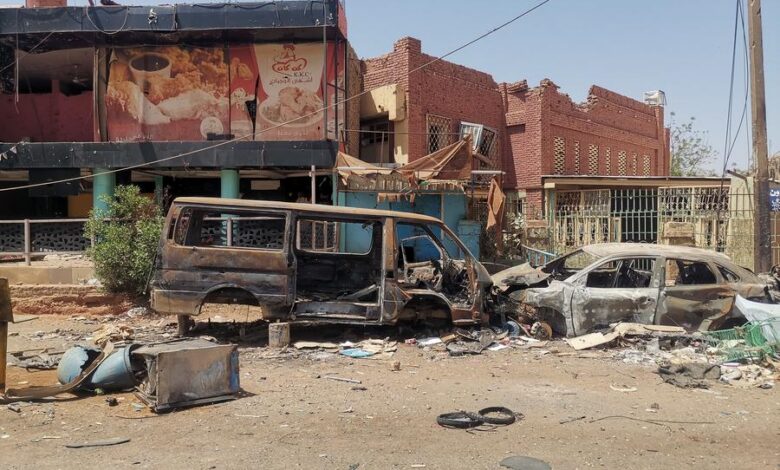
The humanitarian consequences of Sudan’s war are expanding as escalating drone attacks strike civilian facilities and essential services across several states. This threatens to deepen people’s suffering and disrupt what remains of the foundations of daily life in areas affected by fighting.
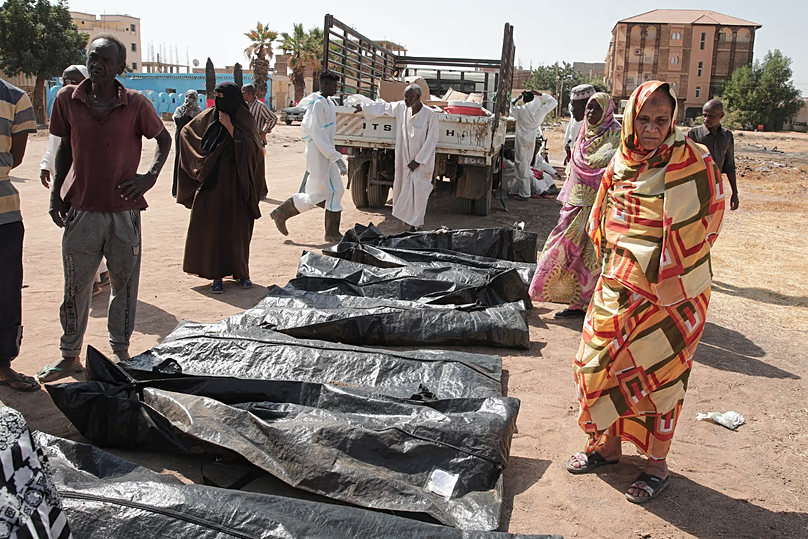
UN High Commissioner for Human Rights Volker Türk warned of the devastating consequences of increasing air strikes during October. The UN Human Rights Office documented at least 306 deaths and hundreds of injuries from drone attacks during the first three weeks of the month.
According to the UN report, affected sites included homes, markets, hospitals and shelters for displaced people, as well as power stations and water sources. The documented strikes were attributed to both parties to the conflict: the Sudanese Armed Forces and the Rapid Support Forces.
These findings reveal the scale of the challenges facing civilian protection as fighting continues and military operations expand. Damage to civilian facilities extends beyond immediate casualties to the disruption of essential services, restricting access to treatment, food, water and electricity.
Türk said the growing use of drones, which now account for most conflict-related civilian deaths in Sudan this year, was deeply concerning because of its appalling toll on the population.
He added that these attacks had killed civilians and destroyed vital infrastructure and services on which people depend, driving further displacement and deepening the existing humanitarian crisis.
Markets Become High-Risk Locations
The UN Human Rights Office reported repeated drone strikes on markets in several parts of Sudan, including Ad Dabba in North Darfur, Nyala in South Darfur and Al Ayda in West Kordofan.
According to the office’s figures, attacks on these markets killed a total of 23 civilians.
These incidents are particularly serious because markets are central to economic and social life. They bring together traders, shoppers, transport workers and goods distributors, while residents depend on them for food and other necessities.
During war, a market may be one of the few places people can reach to obtain everyday essentials, particularly when commercial activity declines or supply routes are disrupted. An attack therefore causes more than casualties: it can also lead to shortages, higher prices and fewer employment opportunities.
Repeated strikes may also force traders to close their shops or reduce business for fear of further attacks, making basic necessities even harder to obtain.
These risks intensify when markets are located in areas with shifting lines of control or intermittent clashes. Civilians then struggle to assess the danger involved in travelling and carrying out everyday activities.
Economic activity or the presence of a large gathering does not, however, make a market a military objective in itself. Protecting civilian objects and distinguishing them from military objectives remain fundamental principles that all parties must respect.
Umm Darfa Hospital Put Out of Service
Healthcare facilities have not escaped the escalation. The UN Human Rights Office reported that Umm Darfa Hospital in Blue Nile State was hit on 11 October by a strike attributed to the Rapid Support Forces.
According to the information published by the office, two healthcare workers were seriously injured and the hospital was put out of service.
The closure deals another blow to healthcare in an area already facing the consequences of war. Medical facilities do not only treat people injured in attacks: they also play an essential role in managing diseases and emergencies and providing care for women, children and older people.
When a health facility is destroyed or stops providing services, patients must seek alternatives that may be distant or unavailable. Delayed treatment can worsen injuries and illnesses.
The situation becomes more dangerous when roads are unsafe or transport is disrupted. Moving patients to other facilities may become difficult even when urgent medical intervention is required.
Injuries to healthcare workers also affect a facility’s ability to resume operating. Medical services depend on available personnel, equipment and medicines, as well as safe access to the hospital.
The consequences extend beyond patients present when the attack occurs to surrounding communities that rely on the facility as a source of medical care.
Electricity and Water: Essential Services Under Threat
The UN report said drone strikes had also hit power stations and water sources, facilities directly essential to everyday life.
Damage to electricity networks affects hospitals, water-pumping facilities and equipment used to preserve medicines and food. It can also disrupt communications, commerce and public services.
Damage to water sources or supply facilities can create further difficulties in obtaining drinking water and water for household use, particularly in areas hosting displaced people or experiencing deteriorating services.
These effects overlap: electricity outages can halt water pumping, water shortages can undermine hygiene and public health, and disrupted healthcare reduces people’s ability to cope with disease and injury.
Restoring these services requires maintenance teams, equipment, spare parts and fuel, alongside safe access to damaged facilities. Repairs may be delayed when fighting continues or routes to infrastructure sites remain dangerous.
Protecting vital facilities is therefore an essential part of civilian protection. Keeping them operational reduces the conflict’s indirect effects and helps people remain in their communities rather than flee in search of basic services.
Cumulative Effects on Local Economies and Living Conditions
The consequences of drone attacks extend beyond immediate casualties and physical destruction, producing cumulative effects on local economies and households’ ability to meet their needs.
Market closures or damage disrupt buying and selling. Hospital shutdowns increase the cost of accessing treatment, while electricity and water outages place additional burdens on residents and small businesses.
These conditions can reduce incomes and raise transport and service costs. Families that have lost their homes or livelihoods face even greater difficulty meeting their needs.
Pressure intensifies on people dependent on daily earnings or small-scale trade. A disrupted market or closed road can eliminate their source of income without suitable alternatives.
Continued strikes may also force residents to leave their communities, placing additional burdens on host communities and increasing demand for food, shelter and healthcare.
Türk warned that these consequences were driving further displacement and deepening the humanitarian crisis, at a time when civilians need protection and the services they rely on must be preserved.
Legal Obligations and the Protection of Civilian Objects
The High Commissioner renewed his call for the Sudanese Armed Forces and the Rapid Support Forces to respect their obligations under international humanitarian law, including the prohibition on directing attacks against civilians and civilian objects.
The rules of armed conflict require parties to distinguish between military objectives and civilian objects and to take all feasible precautions to avoid or minimise civilian harm.
The principle of proportionality also prohibits attacks expected to cause civilian losses excessive in relation to the concrete and direct military advantage anticipated.
Medical units and hospitals enjoy special protection under international humanitarian law. They must not be targeted merely because they provide care for wounded and sick people. Any loss of that protection in specific circumstances is subject to strict conditions and rules and does not automatically justify an attack.
Electricity facilities, water sources and markets remain protected as civilian objects unless they meet the legal conditions for classification as military objectives. Obligations concerning proportionality and precautions continue to apply.
These rules are particularly important given attacks on facilities directly used by civilians. The warring parties must take the necessary measures to protect people and essential services.
Halting Escalation Is Essential to Easing Suffering
Türk called for action to address the continuing flow of weapons fuelling the war and for pressure to halt transfers of arms used in violation of obligations to protect civilians.
He also urged both parties and their associated actors to commit to a ceasefire, stressing that a negotiated settlement centred on human rights and ensuring accountability for widespread violations and abuses offered a path towards sustainable peace.
The incidents reported by the UN Human Rights Office show that the impact of drone attacks extends beyond combat areas to markets, hospitals, water sources and electricity facilities, threatening the foundations of daily life and increasing people’s vulnerability.
Responding to this escalation requires halting attacks that endanger civilians, protecting health facilities and vital infrastructure, and ensuring humanitarian aid reaches affected areas. It also requires investigating reported incidents and holding accountable those responsible for violations established through those investigations.
As the war continues, preserving essential services is not a development issue separate from security efforts. It is part of protecting people and preventing worsening displacement, hunger and disease. A ceasefire and a lasting political settlement remain the most important means of ending the escalation and restoring a minimum level of stability in Sudan.