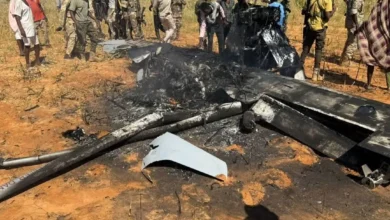
UN Human Rights Office Raises Alarm over Escalating Drone Strikes in Sudan
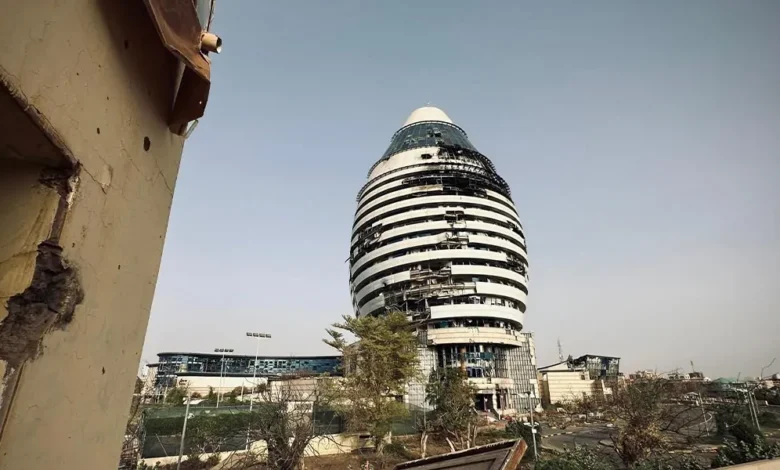
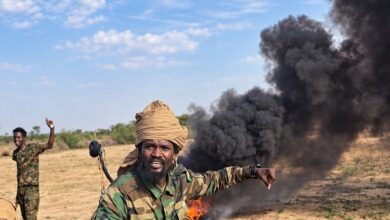
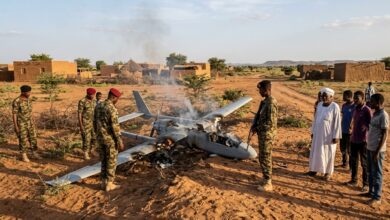
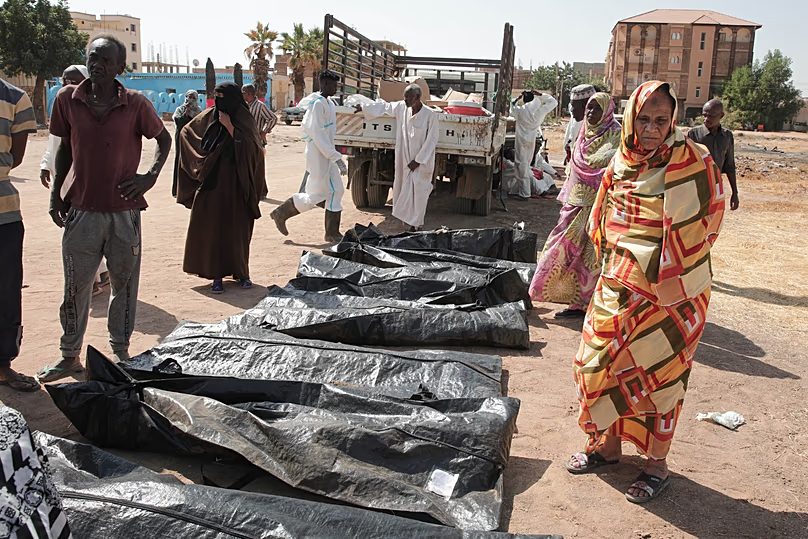
UN High Commissioner for Human Rights Volker Türk has warned of a dangerous escalation in drone attacks in Sudan during October. The UN Human Rights Office documented at least 306 deaths and hundreds of injuries in the first three weeks of the month, highlighting the growing dangers facing civilians as the war between the Sudanese Armed Forces and the Rapid Support Forces continues.
In a statement issued on Friday, 23 October 2026, Türk condemned the escalation of drone strikes across the country. He said their impact had extended to states in Kordofan and Darfur, as well as Blue Nile, Khartoum and other areas, hitting civilian facilities and essential infrastructure on which people depend in their daily lives.
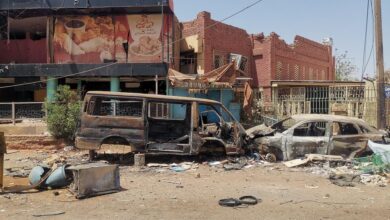
According to the Human Rights Office, affected sites included homes, markets, hospitals and shelters for displaced people, as well as power stations and water sources. The consequences extend beyond immediate casualties to disrupted essential services and worsening humanitarian conditions, as millions of Sudanese people already face displacement, insecurity and difficulty obtaining basic necessities.
Türk noted that the growing use of drones now accounted for most conflict-related civilian deaths in Sudan this year. He described the expanding attacks as deeply concerning, particularly given rising casualty numbers and damage to civilian facilities that directly affects people’s lives and their ability to remain in their communities.
The warnings come amid continued armed confrontations across multiple fronts, exposing civilians to increasing danger from direct strikes and the destruction of infrastructure and services on which they rely. Attacks on places sheltering displaced people also compound the suffering of those already forced to leave their homes in search of safety.
Attacks on Displacement Shelters in West Kordofan
The statement highlighted attacks on sites sheltering displaced people in West Kordofan, illustrating the dangers facing civilians who fled combat areas for places they believed were safer.
According to information documented by the UN Human Rights Office, drone strikes attributed to the Sudanese Armed Forces killed at least 25 civilians and injured 31 others between 6 and 10 October at displacement sites in Ghubaysh and En Nahud. Women and children were among the injured.
The toll underscores the risks facing people who have lost their homes because of the war. Their suffering does not end when they reach a shelter: they may once again find themselves in danger as attacks spread to the places where they gathered seeking protection.
Attacks on displacement sites raise growing humanitarian and legal concerns. Protecting civilians remains a fundamental obligation for every party to the conflict, regardless of territorial control or the nature of nearby fighting.
Thirty-One Killed in Attack on a Gathering Near a Displacement Site in Blue Nile
In the Blue Nile region, the UN statement described a drone attack attributed to the Rapid Support Forces on 9 October in the Abu Shandi area. It targeted a gathering of displaced people working in artisanal mining near a displacement shelter.
According to the Human Rights Office, the attack killed at least 31 people, most of them women and children. The toll reflects the grave danger of strikes spreading to civilian gatherings involving people already forced from their communities by fighting.
The seriousness of these incidents extends beyond the number killed to the circumstances in which displaced people live. Many depend on limited economic activities to provide food and necessities for their families, amid shrinking employment opportunities and an expanding humanitarian crisis.
The incidents documented by the Human Rights Office show that civilians face multiple risks across Sudan, both while seeking safer places and while trying to secure the minimum necessities of life.
Attacks on Gold-Mining Areas in South Kordofan
The UN Human Rights Office also documented drone attacks attributed to the Rapid Support Forces against the Bajoun gold-mining area in Qadir locality, South Kordofan, on 9 and 16 October.
According to the statement, the attacks killed 42 civilians and injured 25 others, renewing attention to the risks associated with targeting economically valuable areas during Sudan’s war.
Türk said attacks on gold-mining areas raised concerns about the role of the war economy in sustaining the conflict. They also prompted serious questions about whether sites were being targeted because of their economic value or their connection to a party’s interests.
The High Commissioner stressed that a facility’s or location’s contribution to financing the war effort was not, by itself, sufficient to make it a lawful military objective under international humanitarian law. A site’s economic function does not remove the requirement to assess its status under the rules governing attacks on objects during armed conflict.
This issue is particularly important as the war expands and economic interests overlap with military operations. Attacks on civilian activities can deprive people of their livelihoods, endanger their lives and widen the harm caused by the fighting.
One Hundred and Thirty-Nine Killed in Strike on a Passenger Truck in West Kordofan
Among the deadliest incidents cited in the statement was an attack on 18 October in the Ad Dibab area of West Kordofan. A truck carrying passengers was struck, followed by further strikes on the same location, in a pattern known as a “double-tap” attack.
According to the Human Rights Office, the attack killed at least 139 people and injured dozens, making it one of the clearest examples of the scale of casualties caused by drone attacks during the month.
The statement said the incident occurred in an area controlled by the Rapid Support Forces, but did not directly attribute the attack to either party. It is therefore necessary to distinguish between identifying the location and who controls it, and establishing who carried out the strike, which requires clear evidence.
The toll raises concerns about the safety of transport and civilian gatherings in combat zones. Vehicles used by residents can become places of extreme danger, particularly when the same location is repeatedly struck.
The incident also highlights the need to respect the principles of distinction and proportionality and to take the necessary precautions to protect civilians. These fundamental rules of international humanitarian law impose clear obligations on the parties regarding target selection and the avoidance of harm to civilians and civilian objects.
Civilian Markets Under Drone Fire
The attacks documented by the Human Rights Office were not confined to displacement sites, transport and mining areas. They also struck markets, which are essential to supplying people with food and other basic goods.
The statement cited deadly attacks on markets in Ad Dabba in North Darfur, Nyala in South Darfur and Al Aydah in West Kordofan. According to the information it contained, these incidents killed a total of 23 civilians.
Attacks on markets directly threaten shoppers, traders and workers transporting goods. They can also disrupt commerce and make food and everyday necessities harder to obtain, particularly in areas where the war has already disrupted supplies.
The danger is heightened by the reliance of large sections of the population on local markets for food. The consequences extend beyond those killed or injured during the strikes to families losing income and communities facing reduced access to essential goods and services.
According to the Human Rights Office, these incidents demonstrate the broad range of civilian objects affected by the strikes, including service facilities, commercial premises and places where people seek refuge from fighting.
A Healthcare Facility Targeted in Blue Nile
In the health sector, the statement described a strike attributed to the Rapid Support Forces against Umm Darfa Hospital in Blue Nile on 11 October. Two healthcare workers were seriously injured and the facility was put out of service.
The hospital’s closure further deepens the healthcare crisis Sudan has faced since the war began. Every medical facility forced out of service reduces access to treatment, particularly where insecurity or damage to roads and transport makes alternative facilities difficult to reach.
Injuries to healthcare workers also increase pressure on a medical sector that needs staff to respond to emergencies and treat people wounded in attacks and clashes.
International humanitarian rules require medical facilities to be respected and protected for as long as they retain the protection afforded under international humanitarian law, alongside protection for healthcare personnel performing their humanitarian duties.
Retaliatory Attacks and Fears of Widening Escalation
Türk also warned of a troubling trend towards retaliatory drone attacks. He cited strikes attributed to the Rapid Support Forces against Khartoum, including the airport area, reportedly in response to air raids allegedly carried out by the Sudanese Armed Forces against Nyala in South Darfur.
This pattern raises fears of a continuing cycle of reciprocal escalation. Strikes and counterstrikes can expand the fighting into new areas and increase the likelihood of harm to civilians and vital facilities.
The warnings come as drone use becomes increasingly frequent across Sudan’s battlefields, creating additional challenges for civilian protection, particularly when strikes coincide with weakened essential services and reduced humanitarian access to affected areas.
The High Commissioner stressed that all parties to the conflict and their associated forces must comply with their obligations under international humanitarian law. These include refraining from directing attacks against civilians and civilian objects and taking the necessary precautions to minimise harm to the population.
UN Calls for an End to Arms Flows and a Negotiated Settlement
Türk concluded by calling for action to address the flow of weapons sustaining the war and for pressure to halt transfers of arms used in clear violation of international humanitarian law obligations to protect civilians.
He said peace efforts must directly address the continued flow of weapons and equipment fuelling the conflict. Curbing the sources of escalation is an essential part of efforts to end the loss of life and reduce harm to Sudanese communities.
He also renewed his call for both parties and their associated forces to commit to a ceasefire. He stressed that a negotiated settlement placing human rights at its centre and grounded in accountability for widespread violations and abuses offered a path towards sustainable peace in Sudan.
The toll announced by the Human Rights Office—at least 306 people killed and hundreds injured in the first three weeks of October—reveals the scale of the threat facing civilians amid escalating drone attacks. The documented incidents also show that these strikes have affected displacement shelters, markets, mining areas, transport and healthcare facilities.
With fighting continuing, essential services damaged and displacement risks growing, civilian protection remains an urgent priority. It requires genuine compliance with international humanitarian law by all parties, alongside practical steps to halt escalation and create the conditions for a political solution that ends the war and eases people’s suffering.