TASS Details Latest UAE-Mediated Exchange: Moscow and Kyiv Release 540 Prisoners
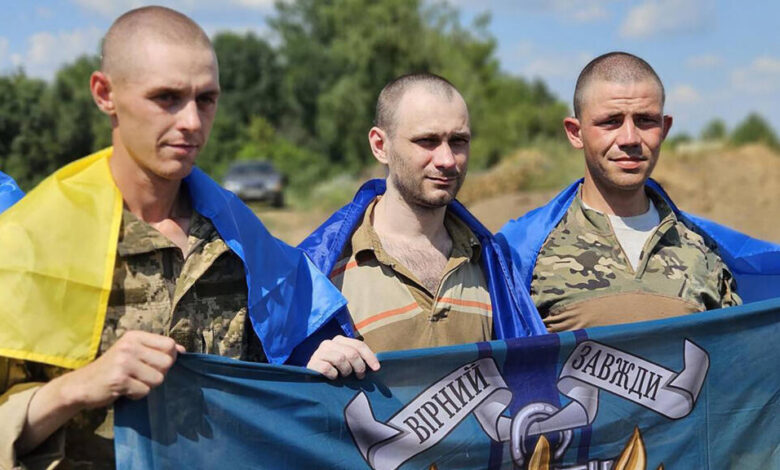
The prisoner exchange between Russia and Ukraine on 23 October 2026 demonstrated the continuation of diplomatic efforts to ease the humanitarian consequences of the war. A new United Arab Emirates mediation effort secured the release of 540 people, 270 from each side. The UAE Foreign Ministry confirmed the operation’s success, while Russia’s TASS news agency published details about the return of Russian service members and the arrangements made to receive them and provide care. The exchange forms part of a series of mediation efforts to facilitate detainee releases, reflecting continued work on a humanitarian issue that remains prominent in relations between Moscow and Kyiv despite the complex military and political situation.
The latest operation brought the total number of people exchanged through UAE mediation to 8,537, according to the UAE Foreign Ministry, marking the twenty-seventh mediation in this process. The figure indicates the scale of efforts accumulated throughout the crisis and shows that exchanges are no longer confined to a single operation or exceptional circumstances, but have become an issue pursued through successive rounds of negotiations. Continued mediation does not, however, mean the prisoner issue is close to being resolved. Each exchange addresses a group of cases, while others still require attention, whether they concern people in detention, those missing or those whose status remains subject to official clarification.
TASS quoted Russia’s Defence Ministry as confirming the return of 270 Russian service members in exchange for 270 Ukrainian service members held by Russia. The ministry praised the UAE’s humanitarian role in facilitating their return, highlighting the importance of mediation in securing the arrangements for release. The operation shows that cooperation over prisoners can continue despite political and military disputes, since both sides have an immediate interest in recovering and repatriating detainees. Agreement in this area does not necessarily require a settlement of every other issue. This gives humanitarian operations room to proceed while prospects for ending the war remain dependent on more complex negotiations.
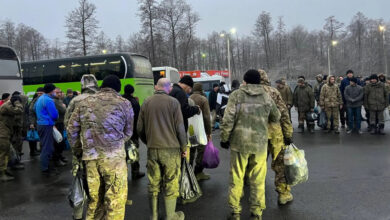
Russia’s Defence Ministry said the released service members were in Belarus, receiving the necessary medical care and psychological support before being transferred to Russia for further treatment and rehabilitation at ministry medical facilities. Russia’s human rights commissioner, Yana Lantratova, is also monitoring their situation. These arrangements demonstrate that an exchange includes a reception and care phase no less important than the agreement securing release. Some detainees may return needing treatment for injuries or ongoing health problems, while others may require psychological support after captivity and separation from their families. These needs become more complex when detention lasts for years or its conditions create multiple health and social challenges.
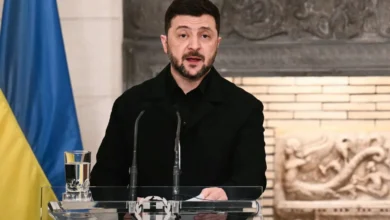
On the Ukrainian side, President Volodymyr Zelensky announced the return of 270 people, including nine civilians, saying most had been held since 2022. Those released included members of the National Guard, border guards, the navy, ground forces, Territorial Defence Forces, Air Assault Forces and the State Special Transport Service, alongside fighters from the Azov Battalion. Zelensky said most of the returning service members had taken part in the defence of Mariupol. Others had fought in the Donetsk, Luhansk, Kharkiv, Zaporizhzhia, Kherson, Kyiv, Mykolaiv and Chernihiv regions. This range illustrates the breadth of the issue and its connection to different phases of the war and multiple fronts where fighting and captures occurred.
The return of detainees who spent years in captivity is one of the operation’s most significant aspects, because prolonged detention intensifies the human impact on individuals and their families. A lengthy absence can leave psychological and social consequences while keeping relatives in a constant state of anxiety about their loved one’s fate and conditions. Release begins a new phase of restoring contact, rebuilding daily life, and dealing with changes that occurred during the absence. The success of an exchange is therefore measured not only by how many people return, but also by the ability to provide the support they need and facilitate their reintegration into their families and communities.
The Ukrainian announcement also raised legal and humanitarian issues concerning the detention conditions of some returnees. Zelensky said many had received court sentences in Russia that he described as unlawful. He also noted that five had survived the attack on the Olenivka detention centre in July 2022. The Ukrainian president described the incident as a Russian terrorist attack, reflecting Ukraine’s position, while responsibility remained disputed between the two sides. These details show that prisoner exchanges do not necessarily resolve every question surrounding detention. Demands may remain concerning detainees’ treatment, judicial proceedings and events at detention facilities during the war.
Reporting on these developments requires distinguishing between facts both sides have confirmed and statements made separately by each. The UAE announcement gave the overall exchange figure of 540 people, while Moscow and Kyiv provided different details about those released and their reception. Russia’s announcement focused on returning service members, whereas Ukraine’s included nine civilians within its total. This difference alone does not establish a numerical discrepancy, but it highlights the importance of checking classifications when covering humanitarian agreements, since a released person’s status may affect their legal position and which bodies are responsible for their care.
UAE mediation in this case demonstrates the importance of diplomatic communication when the objective is a specific agreement that can be implemented despite an ongoing conflict. Prisoner exchanges require coordination over detainee lists, handover procedures, reception locations and necessary documents, as well as arrangements for cases requiring special attention. Sustaining the process also depends on communication channels capable of resolving details and overcoming obstacles arising during negotiations or implementation. The UAE’s role here is to facilitate an understanding between the parties, while responsibility for respecting and implementing the agreement remains with Moscow and Kyiv.
The cumulative results of UAE mediation show that this process has developed a sustained role throughout the war, with exchanges covering 8,537 people. The figure’s significance lies not merely in its numerical value, but in the repeated operations that have returned detainees to their countries and enabled families to reconnect with them. At the same time, unresolved cases require continued efforts rather than treating the latest achievement as the end of the process. Further mediation will depend on the parties’ ability to agree on new lists, address complex cases and maintain communication amid changes arising from military operations.
The exchange should not be assigned implications beyond what it demonstrates in practice. Releasing 540 people is an important humanitarian outcome, but it does not necessarily indicate comparable progress on the political or military issues shaping the war. Questions concerning territory, security guarantees and the conditions for ending hostilities still require broader agreements, and disputes may continue even after further successful exchanges. Nevertheless, sustained work on prisoners shows that some areas of cooperation can remain open when a comprehensive settlement is stalled. This limited space matters because it allows some of the war’s effects to be eased without waiting for all its causes to be resolved.
The next phase will require continued efforts to bring home detainees not included in this exchange, establish the fate of missing people and provide families with the information they need. It also requires monitoring returnees after release, ensuring access to medical care and psychological support, and helping them regain stability. Zelensky reaffirmed that efforts to bring back all Ukrainian detainees would continue, indicating that the latest agreement is one step in a longer process. These efforts require continuity and coordination, because delays in addressing humanitarian cases can deepen families’ suffering, particularly when information about their loved ones remains limited.
The latest prisoner exchange thus highlights the role of UAE mediation in facilitating humanitarian agreements between Russia and Ukraine. It secured the release of 540 people and brought the cumulative total exchanged through UAE mediation to 8,537. Russia’s announcement underscores the importance of care after release, while Ukraine’s details reveal the lengthy captivity of many returnees and the range of people included. Across these dimensions, the central achievement remains the return of people to their countries and families, while unresolved cases continue to demand attention. Further mediation could create new opportunities to free detainees and ease suffering, even as a comprehensive settlement of the war remains dependent on a broader political process.