North Kordofan Exposes Weaknesses in Drone-Downing Claims and Raises Questions About Sudanese Army Losses
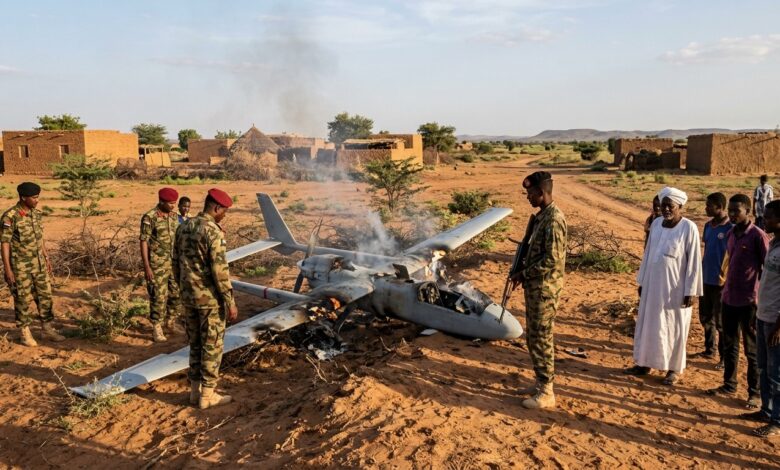
Drones have become one of the most prominent elements of Sudan’s military confrontation. Reports of their downing or destruction are no longer passing details in operational updates, but part of a broader struggle combining battlefield calculations, information warfare and attempts to influence troop morale and public opinion. In North Kordofan State, where the Sudanese army and the Rapid Support Forces (RSF) continue to fight over supply routes and strategic areas, circulating reports of downed drones raise questions extending beyond military announcements. These concern the aircraft’s identity, who operated them, the accuracy of official accounts and whether the reported losses reflect the actual balance of capabilities on the battlefield.
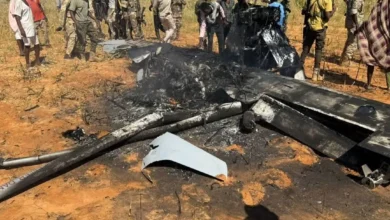
In modern warfare, a photograph of aircraft wreckage cannot establish every detail attributed to it. Nor can a statement from a party involved in the fighting conclusively determine who brought an aircraft down or the operational circumstances surrounding its loss. This distinction is particularly important in Sudan, where the warring parties rely on brief statements, video clips and military declarations to present an image serving their political and battlefield objectives. Reports of drone losses involving either the army or the RSF therefore require examination of the available evidence rather than repetition of the belligerents’ accounts.
Against this backdrop, claims that the RSF has shot down Turkish-made Sudanese army drones on North Kordofan’s fronts require specific evidence identifying the aircraft models, incident dates, crash locations and damage sustained. The RSF has previously issued statements claiming to have downed Turkish-made Bayraktar drones. An assertion by a party to the war, however, does not constitute independent evidence of its accuracy. The range of aircraft used in the conflict also makes it essential to distinguish Turkish drones from other foreign aerial systems mentioned in reports on Sudanese military operations.
This issue is especially significant because drone reports are often presented in triumphalist language. The downing of a single aircraft may be portrayed as a decisive shift in the balance of power, even though the incident, if confirmed, may have only limited operational impact. Military assessment depends on more than the number of aircraft reportedly shot down. It also involves the mission being conducted, the value of the equipment lost, the affected side’s ability to replace it and the incident’s impact on subsequent operations. Without this information, it is difficult to move from a possible event to a sweeping conclusion about one side’s superiority or the collapse of the other’s capabilities.
Reports published in recent months indicate that the Sudanese army has announced the downing of FH-95 drones in various parts of Kordofan. According to media reports, this is a Chinese-made model designed for reconnaissance, surveillance and electronic warfare missions. Automatically describing it as Turkish would therefore be inaccurate. In a report published on 5 October 2026, Anadolu Agency relayed the army’s announcement that it had shot down an aircraft of this type in West Kordofan. It noted that the army had previously announced the downing of five similar aircraft in North Kordofan in less than a month. These details underline the importance of distinguishing an aircraft’s model from its presumed operator. Confusing the two undermines any analysis intended to establish the scale of losses or the military capabilities being employed.
The central question is therefore not simply whether aircraft have been lost, but also how effectively the Sudanese army can preserve and operate its aerial assets amid shifting front lines and expanding theatres of operations. However advanced their technology, drones do not function independently of the personnel and logistical systems supporting them. They require mission planning, flight preparation, regular maintenance, reliable communications, coordination with ground forces and an assessment of operational risks. A failure in any of these areas can increase the likelihood of mission failure, even when the equipment itself is sophisticated.
If army drones are confirmed to have been lost to enemy fire or operational malfunctions, each case requires a distinct explanation before conclusions are drawn. A downing by enemy defences may indicate improved detection and interception capabilities. A crash may instead result from a technical fault, operator error, loss of communications or flight conditions. These possibilities cannot be combined into a single explanation or all treated as evidence of weak military leadership without technical data and independent investigations. Conversely, a recurring pattern of verified incidents would justify calls to review operational procedures and specialised units’ preparedness to address threats.
The struggle over military narratives reveals another problem: warring parties tend to present enemy losses as evidence of collapse while portraying their own as isolated incidents or insignificant details. This double standard leaves the public facing two conflicting accounts, each with its own language and objectives, while the full facts remain unavailable. Overcoming this problem requires prioritising independent verification and comparing the parties’ statements with visual evidence, field information and reports whose sources and dates can be established.
This information war becomes particularly troubling when reports of downed drones divert attention from the humanitarian consequences of military operations. Sudanese civilians living under bombardment are less concerned with triumphalist propaganda than with knowing whether their homes, markets, schools or health centres are at risk. Announcing the destruction of one aircraft also leaves unanswered questions about the targets struck by others and the precautions fighters took to avoid civilian casualties. Media coverage should therefore treat military losses and civilian casualties as interconnected issues, without allowing one to erase the other.
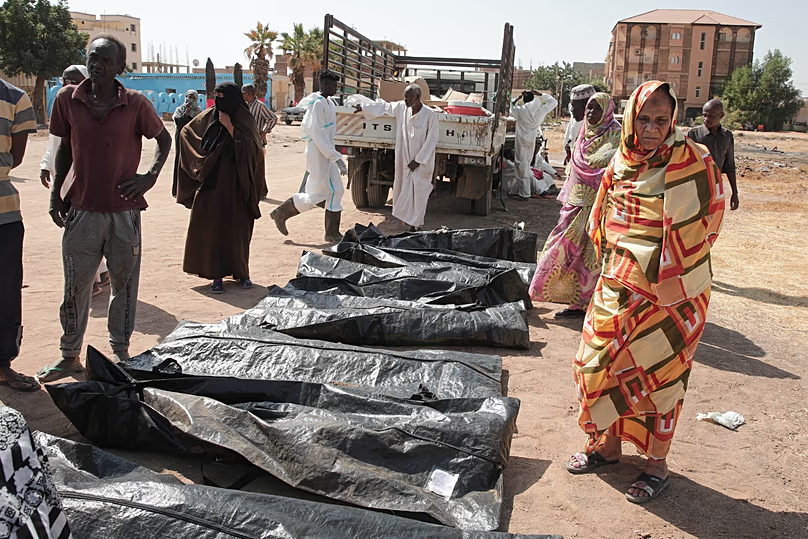
On 23 October 2026, UN High Commissioner for Human Rights Volker Türk warned of escalating drone attacks in Sudan. He said his office had documented at least 306 deaths and hundreds of injuries during the first three weeks of the month. Strikes attributed to both sides had hit homes, markets, medical facilities, displacement shelters and essential infrastructure. That figure alone does not establish any particular party’s responsibility for every incident. It does, however, demonstrate the scale of the danger aerial warfare poses to civilians, making verification of operational details a matter of civilian protection and accountability rather than merely a competition to claim victories.
Reports that Turkish-made Sudanese army drones have been shot down in North Kordofan must therefore be considered within a broader context: the types of aircraft used, the range of information sources, potentially conflicting accounts and the need to distinguish verified losses from unconfirmed claims. If reliable evidence exists that army drones were shot down, publishing it and establishing the models and circumstances would improve understanding of the military situation. Relying instead on sensational headlines without verifiable images, technical data or independent sources turns reporting into a tool of political mobilisation rather than information that helps the public understand events.
A military force’s effectiveness is ultimately measured not by the number of statements it issues about destroying enemy equipment, but by its ability to carry out missions, protect its personnel and comply with the rules governing armed conflict. Neither one side’s weakness nor the other’s superiority can be inferred from a single incident or incomplete reporting. North Kordofan clearly illustrates the need to scrutinise military narratives, hold commanders accountable for operational outcomes and keep humanitarian consequences central to coverage. Truth in wartime is not built on slogans. It rests on examinable evidence, clarity about what is known and a refusal to present unproven claims as established facts.