How to Overcome Gym Anxiety and Feel More Confident During Workouts
Why can going to the gym feel intimidating?
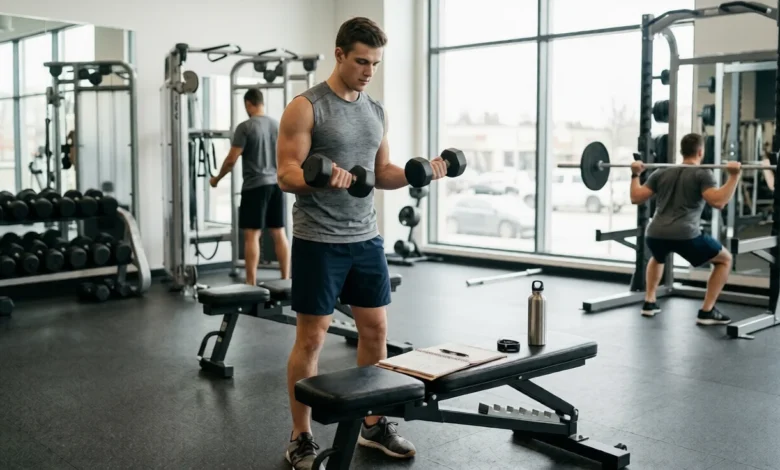
For some people, walking into a gym for the first time can feel like a major challenge. Fear of being judged, uncertainty about how to use the equipment, a lack of experience, and concerns about physical appearance can make the first few workouts particularly uncomfortable.
This feeling, often described as “gym anxiety,” does not necessarily mean that someone lacks motivation. It may simply reflect a fear of the unfamiliar, comparisons with more experienced gym-goers, or worries about not being fit enough.
However, exercise is not reserved for experienced athletes. A gym is a place where people can develop their abilities at their own pace. A few practical strategies can help beginners gradually build confidence and make exercise more enjoyable.
1. Start with small, realistic goals
One common mistake is trying to change everything at once. Setting overly ambitious goals at the beginning can lead to frustration and increase the fear of failure.
Instead, focus on manageable steps. A first session might involve 20 to 30 minutes of exercise, learning how to use two or three machines, or simply exploring the different areas of the gym.
These small achievements can gradually strengthen self-confidence. As exercise becomes more familiar, it may feel easier to increase workout duration or intensity without unnecessary pressure.
Consistency matters more than immediate performance. Building a sustainable routine is usually more valuable than pushing too hard during the first few visits.
2. Plan your workout before arriving
Not knowing what to do once you enter the gym can make anxiety worse. Preparing a simple workout in advance reduces uncertainty and gives each session a clear structure.
For example, a beginner might plan a short warm-up, two or three exercises suited to their ability, and a brief cool-down. Reliable instructional materials or guidance from a qualified fitness professional can also help explain how to use equipment and perform movements correctly.
There is no need to try every machine or follow a complicated training program during the first session. A short, organized workout can be enough to become familiar with the environment.
Having a plan makes it easier to focus on movement and physical sensations rather than worrying about what to do next.
3. Gradually let go of the fear of being judged
The fear of being watched or criticized is one of the most common barriers for beginners. Some people worry about looking inexperienced, lifting lighter weights than others, or making mistakes in public.
It helps to remember that most gym members are focused on their own workouts and personal goals. They are often paying much less attention to other people than beginners imagine.
To feel more comfortable, consider visiting during quieter hours, wearing comfortable clothing, and starting with exercises you already understand. Listening to music, where permitted and safe, may also help you concentrate.
The goal is not to eliminate every feeling of discomfort immediately. It is to become more comfortable with exercise over time without allowing the fear of other people’s opinions to control your decisions.
4. Ask someone to accompany you at first
Working out with a friend, family member or fitness instructor can make the first few visits less stressful. A supportive companion can help you find your way around, explain exercises and encourage you when your confidence is low.
A qualified trainer can also develop a program suited to your abilities and goals, correct your technique and explain how to use equipment safely.
This support can be especially helpful for new people to exercise, returning after a long break, or unsure how to organize their workouts.
Still, having a companion should not become a requirement for exercising. The aim is to build confidence gradually and become more independent over time.
5. Choose activities you enjoy and progress at your own pace
It is easier to maintain motivation when exercise feels enjoyable rather than like an obligation. Gyms offer more than weight machines and free weights. Depending on the facility, options may include group classes, stationary cycling, mobility exercises, and cardio sessions suitable for different fitness levels.
You can also begin with activities that feel less intimidating, such as brisk outdoor walking or home workouts, before gradually becoming familiar with the gym environment.
Avoid comparing your progress with someone else’s. People have different starting points, physical abilities, and goals. Progress may mean improving endurance, feeling more energetic, mastering a movement or simply becoming more comfortable in the gym.
Listen to your body, increase exercise intensity gradually, and seek professional advice if you experience unusual pain or have a health condition that affects your ability to exercise.
Build confidence one workout at a time
Overcoming gym anxiety does not mean becoming comfortable in every situation overnight. Confidence usually develops through repeated experiences, realistic expectations, and a more supportive attitude toward yourself.
Starting slowly, planning workouts, avoiding constant comparisons, asking for help, and choosing enjoyable activities can all make the experience more positive.
The best workout is not necessarily the longest or most intense one. It is the one that helps you make progress without unnecessary pressure and leaves you willing to return. With patience and consistency, the gym can gradually become a place to support your well-being rather than a source of anxiety.