Irritable Bowel Syndrome: Why Women Are More Affected and How to Manage the Symptoms
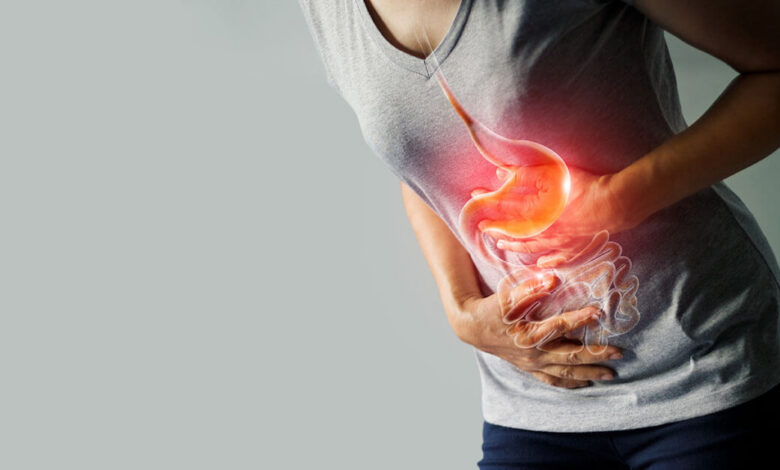
Irritable bowel syndrome (IBS) is a chronic digestive disorder that affects the way the intestines function. It is characterized by recurring abdominal pain, bloating and changes in bowel habits, including episodes of diarrhea, constipation or a combination of both.
Although IBS can affect anyone, it is diagnosed more frequently in women than in men. This difference has raised questions about the role of hormones, digestive system characteristics and other factors that may influence the onset and severity of symptoms.
IBS generally does not cause visible damage to the intestines, but its symptoms can significantly affect quality of life, everyday activities and psychological well-being.
Why are women more likely to develop IBS?
Several mechanisms may help explain the higher prevalence of IBS among women. Hormonal fluctuations are considered an important factor. Estrogen and progesterone can influence intestinal motility, digestive sensitivity and the way the brain processes signals from the digestive system.
Some women experience worsening symptoms before or during menstruation. Hormonal changes may also contribute to differences between men and women in visceral pain sensitivity.
Other factors are being investigated, including differences in communication between the brain and gut, stress-regulation mechanisms and variations in the gut microbiome. However, no single explanation accounts for the entire difference. IBS is likely to result from an interaction between biological, psychological and environmental factors.
Recognizing the main symptoms
Symptoms vary from person to person and may change over time. The most common include:
- Abdominal pain or cramping, often associated with bowel movements.
- Bloating and a feeling of abdominal fullness.
- Persistent constipation or difficulty passing stools.
- Episodes of diarrhea, sometimes accompanied by an urgent need to use the bathroom.
- Alternating periods of constipation and diarrhea.
- A feeling of incomplete bowel evacuation.
- Symptoms that worsen after certain meals or during periods of stress.
These symptoms may come and go, with periods of improvement followed by more intense flare-ups. In some women, they may also fluctuate throughout the menstrual cycle.
The connection between stress and digestive function
The gut and brain constantly communicate through the nervous system, hormones and other biological pathways. This relationship, known as the gut-brain axis, plays an essential role in regulating digestion and the perception of pain.
Stress, anxiety and emotional tension can interfere with this communication and intensify certain symptoms. This does not mean that IBS is imaginary or purely psychological. The symptoms are real and involve complex physiological mechanisms.
Understanding this connection makes it possible to adopt a more comprehensive approach to treatment, one that considers not only digestive symptoms but also sleep, stress and emotional well-being.
What treatments can help relieve IBS symptoms?
There is no single treatment that works for everyone with IBS. Management depends on the predominant symptoms, their frequency and their impact on daily life.
Making gradual dietary adjustments
Identifying foods that trigger symptoms may help reduce digestive discomfort. Some people are sensitive to high-fat meals, caffeine, carbonated beverages or certain dairy products.
A low-FODMAP diet, which temporarily limits certain fermentable carbohydrates, may be considered in some cases. Ideally, it should be supervised by a qualified nutrition professional and followed by the gradual reintroduction of foods to avoid unnecessary dietary restrictions.
Soluble fiber, particularly that found in oats or psyllium, may also help some people, especially those experiencing constipation. Fiber intake should be increased gradually.
Maintaining regular physical activity
Walking, cycling, swimming and other forms of moderate exercise may support bowel function, help reduce stress and improve overall well-being.
Regular physical activity adapted to individual abilities can be a useful addition to other treatment strategies.
Using appropriate medical treatments
Depending on the symptoms, a healthcare professional may recommend antispasmodics to relieve abdominal pain, medication to manage diarrhea or treatments designed to ease constipation.
In certain cases, probiotics or medications that influence communication between the brain and gut may be considered. Their effectiveness varies depending on the individual and the specific product.
Cognitive behavioral therapy and certain relaxation techniques may also help improve symptoms, particularly when stress plays a significant role.
When should you seek medical advice?
Although IBS is common and generally does not cause structural damage to the digestive tract, it is important not to automatically attribute every digestive problem to this condition.
Medical evaluation is particularly important when symptoms include blood in the stool, unexplained weight loss, anemia, fever, persistent nighttime symptoms or new and severe abdominal pain. These warning signs may require further investigation to rule out other digestive disorders.
A personalized approach to improving quality of life
Living with IBS can be challenging, but understanding its mechanisms and potential triggers can often make symptoms easier to manage.
Combining dietary adjustments, regular physical activity, stress management and, when necessary, individualized medical treatment may help reduce flare-ups and improve digestive comfort.
The key is to recognize that IBS does not affect everyone in the same way and that effective management should be tailored to each person’s individual needs.