Why Cutting Out Legumes May Be a Mistake: Understanding Bloating and Their Health Benefits
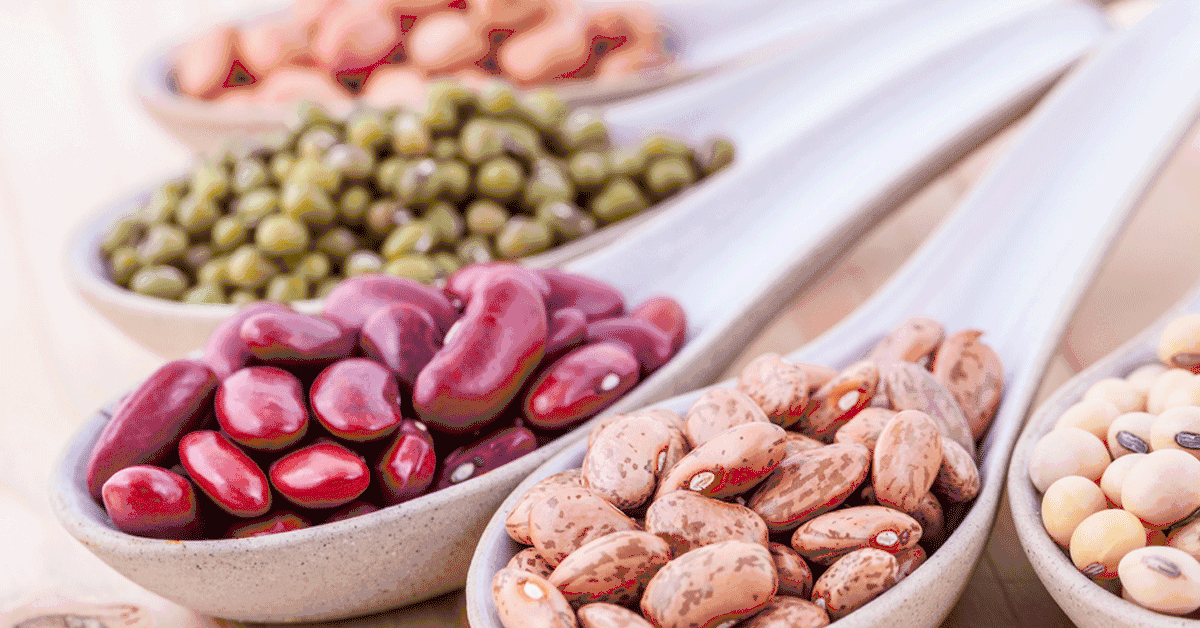
Legumes are widely recognised as an important component of a balanced diet. Lentils, chickpeas, kidney beans, white beans, peas and other pulses provide a valuable combination of plant-based protein, dietary fibre, vitamins and minerals. Despite their nutritional benefits, some people avoid them because they associate their consumption with bloating, excessive gas and abdominal discomfort.
Although these digestive symptoms can be unpleasant, they are not necessarily a reason to eliminate legumes from the diet. In many cases, the discomfort is related to the way certain carbohydrates are processed in the digestive system. Simple changes in food preparation, portion sizes, and eating habits may help improve tolerance while allowing people to benefit from these nutritious foods.
Why do legumes cause bloating?
One of the main reasons legumes can produce gas is their content of specific carbohydrates known as oligosaccharides. These compounds are not fully broken down by the digestive enzymes in the small intestine. As a result, they travel into the large intestine, where they are fermented by naturally occurring gut bacteria.
This fermentation process produces gases, including hydrogen and carbon dioxide. For some individuals, the resulting gas can lead to abdominal swelling, flatulence and a feeling of pressure or discomfort.
However, not everyone reacts to legumes in the same way. Digestive sensitivity, portion size, eating habits and the composition of the gut microbiome can all influence how the body responds.
It is also important to recognise that gas production is not necessarily a sign that a food is harmful. The fermentation of certain carbohydrates is a normal part of digestive activity and can support the growth of beneficial intestinal bacteria.
A valuable source of plant-based protein
One of the strongest reasons to include legumes in the diet is their nutritional composition. They provide substantial amounts of plant-based protein, making them particularly useful for people who want to reduce their consumption of meat or diversify their protein sources.
Protein is essential for maintaining muscle tissue, supporting the immune system and repairing cells. Although the protein content varies between different types of legumes, they can make a meaningful contribution to daily protein intake.
When combined with other plant foods, such as whole grains, nuts and seeds, legumes can help provide a varied range of essential amino acids throughout the day.
Their nutritional value makes them suitable for a wide range of eating patterns, including vegetarian and vegan diets.
Fibre and the importance of gut health
Legumes are particularly rich in dietary fibre, a nutrient that plays a central role in digestive health. Fibre helps regulate bowel movements, supports intestinal function and can reduce the risk of constipation.
Some types of fibre are fermented by gut bacteria, producing short-chain fatty acids that help maintain the health of the intestinal lining. These substances are also involved in several processes related to metabolism and inflammation.
A diet containing a variety of fibre-rich foods can help support a more diverse gut microbiome. Legumes are therefore an important option for people seeking to improve the overall quality of their diet.
However, increasing fibre intake too quickly may temporarily worsen bloating and gas. This is why gradual dietary changes are generally more comfortable than suddenly introducing large quantities of legumes.
How legumes may support blood sugar control
Legumes can also be beneficial for metabolic health. Their combination of fibre and plant-based protein helps slow digestion and the absorption of carbohydrates.
As a result, meals containing lentils, beans or chickpeas may lead to a more gradual rise in blood glucose than meals based on certain refined carbohydrates.
This characteristic can be particularly useful for people who need to manage their blood sugar levels, including individuals with type 2 diabetes or those at increased risk of developing the condition.
Legumes may also help promote a feeling of fullness. Their fibre and protein content can make meals more satisfying, potentially reducing hunger between meals and helping people manage their overall food intake.
Potential benefits for cardiovascular health
Regularly including legumes in a balanced diet may also support heart health. Their soluble fibre content can help reduce the absorption of cholesterol in the digestive tract, contributing to lower levels of LDL cholesterol, commonly referred to as bad cholesterol.
Legumes also provide minerals such as potassium and magnesium, which are involved in normal muscle function and blood pressure regulation.
Their cardiovascular benefits should be considered as part of an overall dietary pattern rather than attributed to a single nutrient. Replacing some foods high in saturated fat with beans, lentils or chickpeas can help improve the nutritional quality of meals and support long-term heart health.
Practical ways to reduce bloating
People who experience bloating after eating legumes do not necessarily need to stop consuming them. Several practical strategies may help reduce digestive discomfort.
The first is to begin with small portions. People who are not accustomed to eating fibre-rich foods may find it easier to introduce legumes gradually. Increasing the quantity over several weeks can give the digestive system time to adapt.
Soaking dried legumes is another useful step. Chickpeas and dried beans can be soaked for several hours before cooking. Discarding the soaking water and rinsing them before preparation may help remove some of the carbohydrates associated with gas production.
Proper cooking is equally important. Legumes should be cooked until they are thoroughly soft, as undercooked varieties may be harder to digest.
Canned legumes are also a convenient alternative. Rinsing them thoroughly under running water before eating can remove some of the substances present in the canning liquid.
Another useful approach is to experiment with different varieties. Some people find lentils easier to digest than kidney beans, while others tolerate chickpeas or split peas more comfortably. Finding the varieties that cause fewer symptoms can make it easier to maintain a varied and nutritious diet.
Eating slowly, chewing food thoroughly and avoiding excessively large meals may also help reduce digestive discomfort.
When should digestive symptoms be investigated?
In most cases, gas and bloating after eating legumes are harmless and reflect normal intestinal fermentation. Nevertheless, persistent or severe digestive symptoms should not automatically be attributed to food-related gas.
Repeated diarrhoea, significant constipation, severe abdominal pain, vomiting or unexplained weight loss may indicate an underlying digestive condition that requires medical assessment.
People with particularly sensitive digestive systems or certain gastrointestinal disorders may need to adjust their fibre intake or seek individual dietary advice. A healthcare professional can help identify whether symptoms are related to legumes, another food intolerance or a separate medical issue.
The important point is to distinguish ordinary digestive discomfort from symptoms that are persistent, severe or unusual.
Why legumes deserve a place in everyday meals
Avoiding legumes solely because of bloating can mean missing out on an important source of plant-based protein, fibre and essential nutrients. Their potential benefits for digestive, metabolic and cardiovascular health make them valuable components of a varied diet.
Rather than eliminating them completely, most people can start with smaller portions, prepare them properly and gradually increase their consumption according to their digestive tolerance.
Legumes are not automatically unsuitable for people who experience bloating. In many cases, the problem can be managed through simple adjustments that preserve their nutritional benefits.
Ultimately, a little digestive discomfort should not automatically lead to the removal of lentils, chickpeas or beans from everyday meals. With the right preparation and a gradual approach, these foods can remain an important part of a healthy and balanced eating pattern.