Can Yogurt and Cheese Help Protect Muscles Against Age-Related Decline?
As people grow older, maintaining muscle mass and physical strength becomes increasingly important for preserving independence and quality of life. Muscle mass naturally tends to decline over time, and this process may accelerate with age, leading to reduced physical performance, greater fatigue and increased vulnerability to physical limitations.
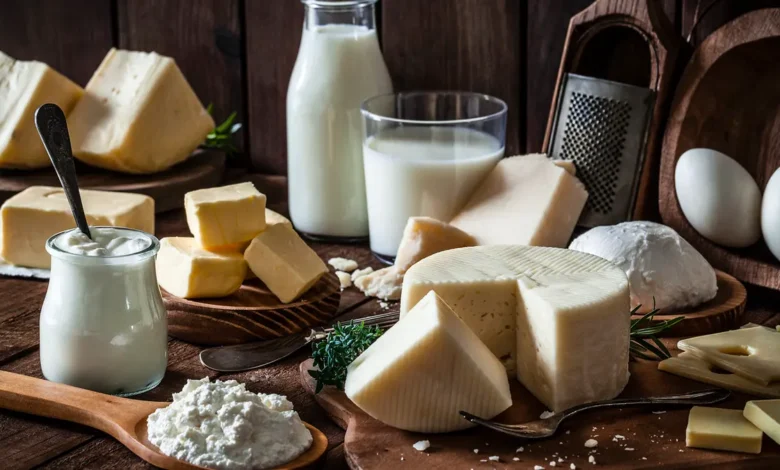
Nutrition plays an important role in addressing this natural process. Protein, in particular, is essential for building, repairing and maintaining muscle tissue. Dairy products, especially yogurt and cheese, are among the foods that can help provide these nutrients. But can eating them regularly genuinely slow down age-related muscle deterioration?
These foods offer several nutritional advantages, although their contribution to muscle health depends on various factors, including the amount consumed, overall dietary quality and level of physical activity.
Understanding Age-Related Muscle Decline
The gradual loss of muscle mass and strength associated with ageing is known as sarcopenia when it becomes sufficiently severe to affect physical abilities and overall health.
This process can begin gradually during adulthood and may become more pronounced for some individuals from their fifties or sixties onwards.
Several biological mechanisms contribute to this decline. As people age, their bodies generally become less efficient at producing muscle proteins. Muscles may also respond less effectively to protein consumed through food, a phenomenon commonly described as anabolic resistance.
At the same time, hormonal changes, chronic low-grade inflammation, reduced physical activity and certain medical conditions can accelerate muscle loss.
The consequences extend beyond physical appearance. A significant reduction in muscle strength can make everyday activities more difficult, limit mobility and increase the risk of falls and fractures.
Preserving muscle health is therefore not simply about maintaining physical fitness or appearance. It is also essential for protecting independence and long-term well-being.
Why Does Protein Become Particularly Important With Age?
Protein provides the essential building blocks needed by muscles. It supplies amino acids that support the repair of muscle fibres and the production of new muscle proteins.
When dietary protein intake is insufficient, the body may struggle to maintain muscle mass, particularly when ageing is accompanied by reduced appetite or existing health problems.
Nutritional needs can therefore change over time. Older adults may benefit from paying closer attention to both the amount of protein they consume and how it is distributed throughout the day.
Eating a large quantity of protein in only one meal is not necessarily the most effective approach. Distributing protein intake across several meals can help provide muscles with a more regular supply of amino acids.
Protein can come from a variety of foods, including fish, eggs, lean meat, legumes, nuts, and dairy products. This diversity also provides other nutrients required for normal bodily functions.
Yogurt: A Valuable Source of Protein and Calcium
Yogurt can be a useful addition to a diet designed to support muscle health.
It provides high-quality protein containing essential amino acids, including leucine, which plays an important role in stimulating muscle protein synthesis.
However, protein content varies considerably between products. Greek yogurt and certain high-protein varieties generally contain more protein than conventional yogurt.
Yogurt also provides calcium, a mineral essential for muscle contraction, nerve signalling and the maintenance of healthy bones.
This combination becomes particularly relevant with age because muscle loss can occur alongside declining bone strength. Supporting both the muscular and skeletal systems may help reduce some of the health risks associated with reduced mobility and independence.
Yogurts containing live cultures may also contribute to maintaining a balanced gut microbiome. Although research into the relationship between gut bacteria and muscle ageing is still developing, digestive health remains an important part of overall well-being and nutrient absorption.
Can Cheese Also Help Maintain Muscle Health?
Cheese represents another source of dairy protein. It contains casein and, depending on the variety, several other nutrients that can support general health.
Casein is a relatively slow-digesting protein, meaning that it releases amino acids into the body over a longer period. This characteristic may help support the continuous processes involved in muscle protein maintenance.
Some cheeses also provide calcium, phosphorus and vitamin B12, which contributes to normal nervous system function and the production of red blood cells.
However, the nutritional composition of cheese varies significantly. Aged cheeses and certain processed varieties can contain considerable amounts of sodium and saturated fat.
For this reason, moderate portions and dietary variety are preferable to relying exclusively on cheese to meet protein requirements.
People with high blood pressure or those who need to restrict sodium intake should pay particular attention to the salt content of different cheese varieties.
Can Dairy Products Actually Slow Down Muscle Ageing?
Dairy products can support muscle maintenance by providing high-quality protein, but it would be misleading to describe them as foods capable of independently preventing or slowing the ageing process.
Their potential benefits depend on the wider lifestyle. A balanced diet containing sufficient protein needs to be combined with appropriate physical activity to support long-term muscle health.
Research into nutrition and muscle ageing has increasingly examined how dairy proteins may contribute to muscle protein synthesis. However, the effects observed can vary according to age, nutritional status, physical activity levels and the presence of chronic health conditions.
It is also important to distinguish between maintaining muscle mass and preserving physical strength. Someone may retain a relatively stable amount of muscle tissue while experiencing a decline in physical performance if they do not exercise regularly.
Dairy products should therefore be considered part of a broader nutritional strategy rather than a treatment for sarcopenia.
Physical Exercise Remains Essential
Even when the diet provides sufficient protein, muscles need regular stimulation to maintain their strength and function.
Resistance training is particularly beneficial for addressing age-related muscle loss. This includes weightlifting, exercises using resistance bands and movements that rely on body weight.
Such activities stimulate muscle tissue and encourage adaptation to physical effort. When combined with adequate nutritional intake, they can help preserve muscle mass and improve physical strength.
Walking, cycling and swimming can complement resistance training by improving endurance, balance and cardiovascular health.
Older adults and people living with joint problems or chronic medical conditions should choose activities suited to their physical abilities. Seeking professional advice before starting an intensive exercise programme can help reduce the risk of injury.
How to Include Yogurt and Cheese in a Balanced Diet
There is no need to consume large quantities of dairy products to benefit from their nutritional qualities. The priority is to include them appropriately as part of a varied and balanced eating pattern.
Several practical habits can help:
- Choose plain yogurt without added sugar to limit unnecessary sugar consumption.
- Consider high-protein yogurt when additional protein intake is needed.
- Eat cheese in moderate portions, taking its sodium and saturated fat content into account.
- Combine dairy products with fruit, nuts or whole grains to improve the nutritional quality of meals.
- Include other protein sources, such as eggs, fish, legumes and lean meat.
- Distribute protein intake across different meals throughout the day.
People with lactose intolerance may prefer yogurt varieties that are easier to digest, lactose-free products, or certain naturally low-lactose cheeses, depending on their individual tolerance.
Preventing Sarcopenia Should Begin Before Old Age
Protecting muscle mass should not be a concern reserved exclusively for older adults. Habits developed during adulthood can influence physical condition and the ability to maintain strength throughout later life.
Regular exercise, adequate protein consumption, sufficient sleep and avoiding prolonged periods of inactivity are all important components of long-term muscle preservation.
It is also important to recognise potential warning signs, including unusual weakness, difficulty carrying everyday objects, slower walking or unexplained weight loss. These changes may require medical and nutritional assessment.
Conclusion: Valuable Nutritional Allies, but Not a Miracle Solution
Yogurt and cheese can contribute to maintaining muscle health because they provide high-quality protein and several essential minerals. Their inclusion in a balanced diet may therefore be beneficial for people seeking to support healthy ageing.
Nevertheless, no individual food can prevent the natural decline in muscle mass on its own. The most effective approach combines several factors: balanced nutrition, adequate protein intake, regular muscle-strengthening exercise and appropriate medical follow-up when necessary.
Ultimately, dairy products can be valuable allies in maintaining muscle health, but their benefits are greatest when combined with an active and balanced lifestyle that supports strength, mobility and independence throughout ageing.