Crisis within the Ukrainian army: torture investigations reach elite units
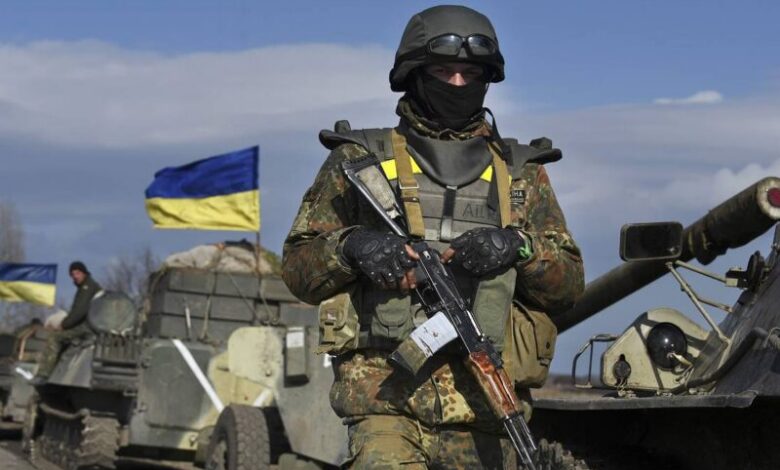
Ukrainian assault regiments, which have spearheaded many of the country’s key battles, have become the focal point of an internal crisis following investigative reports alleging serious abuses against soldiers, prompting the military leadership to adopt exceptional measures to contain the fallout.
On July 26, the Commander-in-Chief of the Ukrainian Armed Forces, Mykhailo Drapatyi, issued an order suspending the recruitment of new personnel into assault regiments.
-
Berlin and Kyiv Switch Roles: Ukrainian Army to Train German Forces
-
Push and Pull: Russia Announces Control of the Ukrainian City of Kupiansk
The directive also prohibits these units from accepting personnel from reserve battalions or newly mobilized recruits and bans the transfer of soldiers from other branches of the armed forces. The reinstatement of personnel absent without authorization will now be limited to requests submitted through the “Army+” application.
The decision, revealed by Ukrainska Pravda and based on information obtained from four assault regiments, follows a series of investigative reports that raised serious allegations of abuses within certain elite units, placing increasing pressure on the military leadership to act and contain the consequences of the crisis.
The measure is viewed not merely as an administrative step, but as an indication of declining trust between the high command and the units that have enjoyed broad powers and exceptional support in recent years, at a time when Ukraine faces mounting challenges on the front lines and requires stricter management of its human resources.
-
Nighttime drone warfare… Russia intercepts 77 aircraft and destroys Ukrainian positions
-
A new round of nighttime drone warfare: Russia shoots down 75 Ukrainian aircraft
Exceptional privileges for assault units under scrutiny
The investigations have reopened the debate over the privileges granted to certain assault regiments during the tenure of former Commander-in-Chief Oleksandr Syrskyi. Reports indicate that the 425th Regiment “Skelia” and the 225th Regiment were granted extensive authority to recruit fighters and expand their formations, in addition to receiving logistical and operational support that exceeded that provided to other regular army units.
According to the published information, the “Skelia” regiment grew to more than ten thousand soldiers, nearly three times the usual size of formations of this kind. Meanwhile, other assault units, such as the First Independent Regiment and the 475th Regiment, remained outside this privileged framework despite their active participation in combat operations.
This disparity has raised questions within military circles regarding the criteria used to allocate resources and personnel, as well as the impact of concentrating capabilities in a limited number of units on the army’s ability to sustain a prolonged war of attrition.
-
Night-time drone warfare: Moscow shoots down 57 Ukrainian aircraft
-
Moscow fights with Ukrainian hands: the hidden assassinations uncovered
Allegations of torture and attacks on retreating troops
The crisis intensified after the investigative outlet Texty published a report alleging serious abuses within the 225th Regiment, including physical assaults on soldiers, unlawful detention, and death threats against troops accused of abandoning their positions.
The investigation also released an audio recording allegedly featuring regiment commander Oleh Shyriaiev ordering troops to open fire on soldiers retreating without authorization, arguing that they were no longer part of the unit.
These allegations were reinforced by testimony from Oleksandr Shershen, former commander of the 47th Independent Assault Brigade, who stated that the 225th Regiment used artillery in April 2025 to target Ukrainian troops withdrawing from positions in Russia’s Belgorod region, resulting in fatalities.
-
Night Drone War: Russia Intercepts 60 Ukrainian UAVs
-
When Weapons Become a Constant Companion… Ukrainians Prepare for the Next War
He said that his review of the incident and the available recordings convinced him that the event was not the result of accidental friendly fire, but rather part of a punitive policy directed against retreating soldiers.
In a parallel development, an investigation conducted by the outlet Babel sparked further controversy after documenting at least twenty-six non-combat deaths among recruits of the “Skelia” regiment between late autumn 2025 and the spring of 2026.
According to the report, most of the deaths resulted from severe pneumonia, cardiovascular diseases, and other medical complications, amid accusations of inadequate healthcare and poor training conditions.
-
The 1000th Day of the Ukrainian War… Putin Opens the Nuclear Door
-
Wagner’s Founder Returns from the Grave: He Warned of Ukrainian Encroachment and Proposed a Solution
These developments place the Ukrainian military leadership in a difficult position, forcing it to balance the need to preserve the effectiveness of its most experienced combat units with the obligation to address allegations affecting military discipline and the rights of service members.
In this context, the decision to suspend the deployment of reinforcements appears to be a clear signal that the new leadership seeks to impose stricter oversight on elite units, even at the cost of reducing their operational capabilities during a critical phase of the war, in an effort to restore confidence within the military establishment and prevent the alleged abuses from evolving into a crisis that could damage the image of the Ukrainian army both domestically and internationally.
-
Ukraine without electricity as Moscow destroys missile depot
-
“Priority Map”: New Ukrainian Army Commander’s plan to defeat Russia