Iranian proposal to reopen the Strait of Hormuz and end the war in exchange for delaying the nuclear issue
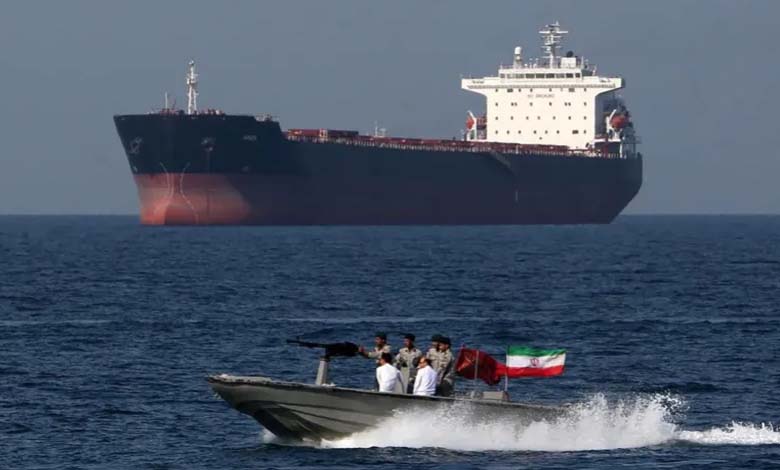
It is unlikely that Washington and Tel Aviv will accept the proposal, as the nuclear issue lies at the core of the dispute with Iran and is a primary cause of the outbreak of the war.
According to the news website Axios, citing a US official and two informed sources, Iran has submitted, through Pakistani mediators, a new proposal to the United States to reopen the Strait of Hormuz and end the war in exchange for postponing decisions regarding the nuclear issue. This comes as pressure mounts on Iranian authorities amid the naval blockade imposed by Washington on its ports and the difficulties facing ongoing negotiations.
The proposal includes delaying nuclear talks to a later stage, a move that Washington and its ally Tel Aviv are unlikely to accept, as they consider the nuclear file urgent and central, and one of the main reasons behind launching the war against Tehran.
Iranian Foreign Minister Abbas Araghchi stated that talks in Pakistan addressed conditions for resuming negotiations between his country and Washington, but did not mention the possibility of reaching an agreement on the nuclear issue.
The Iranian delegation left Pakistan at the end of last week, refusing to engage in direct dialogue with the US delegation, while US President Donald Trump canceled the planned visit of envoys Steve Witkoff and Jared Kushner to Islamabad.
Nuclear negotiations between the United States and Iran in Pakistan have reached a stalemate due to sharp differences over the future of uranium enrichment and the broader nuclear file. Washington maintains a high level of demands, which Tehran clearly rejects.
In recent negotiation rounds, the United States has insisted on a set of measures, foremost among them the complete halt of uranium enrichment on Iranian territory, the dismantling or reduction of sensitive nuclear facilities, and the transfer or handover of enriched uranium stockpiles abroad, either to a third country or to the United States. Washington has also proposed freezing the nuclear program for a prolonged period that could extend to around 20 years, as part of its efforts to prevent any potential development of Iran’s nuclear capabilities.
In return, the US administration offers economic incentives, including a gradual lifting of sanctions imposed on Tehran, the release of frozen Iranian financial assets, and the integration of Iran’s economy into the international system in exchange for compliance with these restrictions.
For its part, Iran firmly rejects these demands, asserting that uranium enrichment is a sovereign right guaranteed under the Nuclear Non-Proliferation Treaty, and insists on continuing its program, which it describes as peaceful and civilian in nature. Tehran also strongly rejects the “zero enrichment” option, considering it beyond international legal frameworks, especially in the absence of guarantees regarding sanctions relief and the return of its assets held in the United States.
Regarding enriched uranium stockpiles, Iran rejects any transfer abroad, suggesting instead the possibility of lowering enrichment levels for civilian use only. It also considers US proposals unbalanced, particularly due to the lack of real guarantees concerning sanctions relief or commitments not to withdraw from any future agreement, referencing the 2015 nuclear deal experience.
Tehran also emphasizes that it will not engage in negotiations under pressure or threat, linking the continuation of dialogue to the easing of economic and military pressures imposed on it.
Despite this rejection, Iran shows limited flexibility by accepting the possibility of restricting enrichment levels, openness to broader international monitoring, and willingness to consider interim or temporary agreements with shorter freeze periods compared to long-term US proposals.