Hormuz and the nuclear issue: Iranian blackmail threatens the fragile truce
The world is awaiting the outcome of U.S.–Iran negotiations taking place amid Iranian intransigence that threatens to derail them at any moment.
Although both Washington and Tehran acknowledge progress in the talks, Iran’s firm stance on nuclear issues and the Strait of Hormuz poses a serious risk to their continuation.
U.S. President Donald Trump stated that the talks with Tehran are “very good,” while warning against “blackmail” related to the Strait of Hormuz, a vital maritime shipping route. Meanwhile, Iran’s chief negotiator, Mohammad Bagher Ghalibaf, said that recent discussions with the United States had made progress, but that disagreements remain over nuclear matters and the Strait of Hormuz.
Neither side provided details on Saturday regarding the status of the negotiations, just days before the expiration of the fragile ceasefire in the U.S.–Israeli war against Iran.
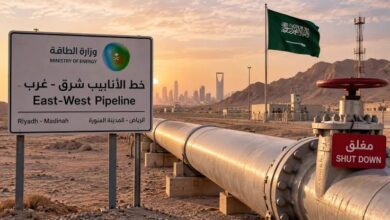
The conflict, now in its eighth week, has resulted in thousands of deaths, expanded to include Israeli strikes in Lebanon, and caused oil prices to rise due to the effective closure of the strait, through which one-fifth of global oil shipments passed before the war.
After announcing the reopening of the strait on Friday, Iran closed it again on Saturday, deepening doubts about the prospects for an agreement. Donald Trump described the move as “blackmail,” even while praising the quality of the talks.
The U.S. president defended the American blockade of Iranian ports and threatened to “start dropping bombs again” unless a long-term agreement is reached before the ceasefire ends next Wednesday.
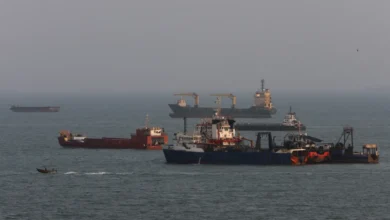
Concerns intensified after at least two vessels reported being attacked on Saturday while attempting to transit the Strait of Hormuz.
The Indian government announced that it had summoned the Iranian ambassador in New Delhi, expressing serious concern after two Indian-flagged ships came under fire in the strait.
The United States Central Command stated that its forces are enforcing a maritime blockade on Iran but did not comment on Iran’s latest actions.
This shift in Tehran’s position increases the risk of continued disruption to oil and gas shipments through the strait, as Donald Trump considers the possibility of extending the ceasefire.