Israel Rejects Any U.S.-Iran Agreement That Restricts Its Operations in Lebanon
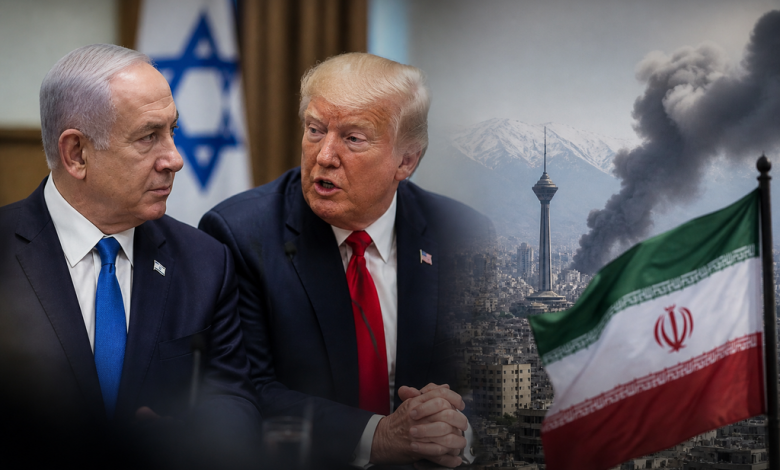
Tel Aviv believes that any agreement between the United States and Iran that does not guarantee Israel complete freedom of action could give Hezbollah an opportunity to reorganize its military capabilities and strengthen its presence near the border.
Israeli efforts to influence the outcome of the anticipated understandings between Washington and Tehran are intensifying, through attempts to ensure that any potential agreement includes a clause allowing Israel to continue its military operations against Hezbollah inside Lebanese territory. This move reflects growing Israeli concern over any regional arrangements that could restrict its maneuverability on the northern front.
These developments come at a time when the region is witnessing intense diplomatic contacts aimed at reaching a peace agreement between Washington and Tehran, amid regional and international efforts to prevent the expansion of the military confrontation that erupted weeks ago and reignited multiple flashpoints across the Middle East, particularly in southern Lebanon and in the Gulf’s strategic maritime corridors.
According to the American newspaper The Wall Street Journal, Israeli officials are seeking American guarantees that would allow the Israeli military to continue targeting Hezbollah positions and fighters even if a broader political or security understanding with Iran is reached. Tel Aviv believes that any agreement that does not ensure its “freedom of action” could allow Hezbollah to rebuild its military capabilities and reinforce its presence near the border.
On the other hand, Tehran maintains a different position, insisting that any ceasefire or de-escalation arrangement must explicitly include the Lebanese front, arguing that separating the various arenas of confrontation is unacceptable given the interconnected nature of the conflicts. This stance was reflected in statements by Iranian officials, particularly Iranian Foreign Minister Abbas Araghchi, who stressed in a reassurance message to Hezbollah that Lebanon’s security is an integral part of any forthcoming regional agreement.
This divergence highlights the complexity facing the indirect negotiations between Washington and Tehran, especially amid discussions about a preliminary draft agreement to extend the truce for an additional period before moving on to more sensitive issues related to Iran’s nuclear program and the security of navigation in the Strait of Hormuz.
The United States fears that continued escalation in southern Lebanon could undermine any chance of stabilizing the truce, particularly after clashes intensified over recent months. The administration of U.S. President Donald Trump has intensified diplomatic efforts to contain tensions and prevent the region from sliding into a broader confrontation that would be difficult to control.
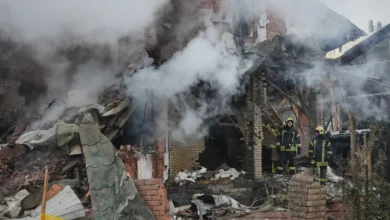
On the ground, military operations remain intense along the Lebanese-Israeli border. The Israeli military continues carrying out airstrikes and artillery shelling against several villages and towns in southern Lebanon, alongside incursions and military movements near the border line, while Lebanese officials accuse Israel of systematically destroying infrastructure.
Meanwhile, Hezbollah, backed by Tehran, continues launching missile and drone attacks against Israeli positions and military targets along the northern front. On Thursday, the group announced a series of operations targeting gatherings of Israeli soldiers and vehicles in different areas, as well as military sites inside northern Israel, stating that its actions were a response to what it described as ongoing Israeli violations and attacks.
The Shiite group also claimed to have targeted tanks and armored vehicles using offensive drones, reporting direct hits at a time when fears are mounting over the possibility of the clashes expanding to more dangerous levels.
In a sign of the evolving ground operations, Israeli Prime Minister Benjamin Netanyahu acknowledged for the first time that Israeli forces had crossed the Litani River in southern Lebanon, a development carrying significant military and political implications due to the sensitivity of the area, which has long represented a dividing line in the conflict between Israel and Hezbollah.
Amid Israeli pressure and Iranian conditions, the prospects of reaching a comprehensive agreement appear dependent on the mediators’ ability to reconcile conflicting demands, while the battlefield remains open to possibilities of either escalation or de-escalation depending on the course of the behind-the-scenes negotiations.