Aramco Breaks the Strait of Hormuz Blockade and Resumes Oil Shipments After Three-Week Halt
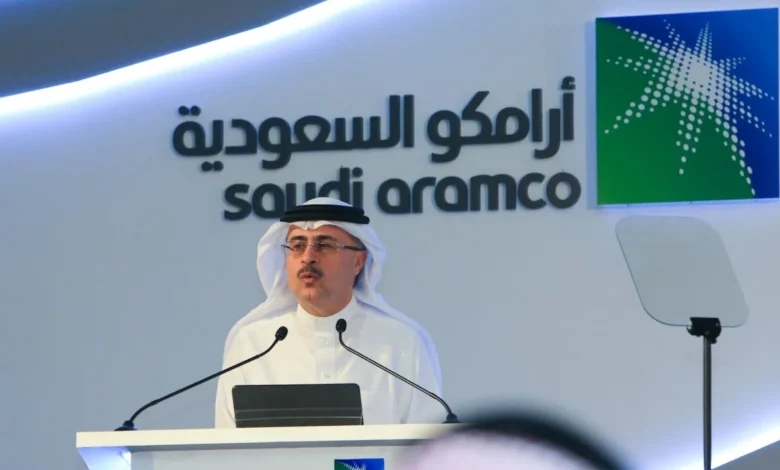
Aramco’s strategy could turn Fujairah into one of the key redistribution points for Gulf oil and give Riyadh greater room to preserve its exports and maintain its presence in the Asian market.
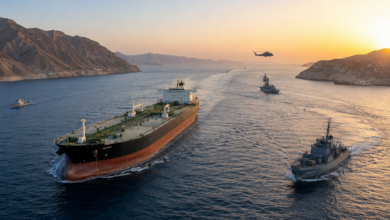
Saudi Aramco resumed loading oil from inside the Strait of Hormuz last week after an interruption of around three weeks. At the same time, the company has turned to ship-to-ship transfer operations off Fujairah in the United Arab Emirates to supply some Asian buyers while reducing its reliance on direct passage through the most dangerous maritime routes.
-
Near-Total Paralysis Hits Shipping Traffic in the Strait of Hormuz
-
Iran’s nuclear program: Is the Strait of Hormuz becoming a haven for delay tactics?
The resumption of loading indicates that Saudi Arabia is seeking to restore oil flows to international markets after attacks and disruptions to maritime traffic hampered its exports. This is significant for Aramco as it seeks to preserve its market share among major Asian buyers. The company is therefore preparing for the possibility that the disruptions could persist by using alternative logistical solutions.
Shipping data and trading sources indicate that Aramco resumed loading oil from inside the Strait of Hormuz last week, with additional tankers waiting to load. The state-owned energy giant is also offering cargoes of heavy crude on the spot market.
-
Washington and London Rally Allies: Western Plan to Secure the Strait of Hormuz and Contain Iran
-
Lana Nusseibeh: Targeting Commercial Ships or Using the Strait of Hormuz as a Tool of Coercion Is Unacceptable
On Monday, the world’s largest oil exporter offered some Asian refiners cargoes of Arab Medium and Arab Heavy crude for loading this month through ship-to-ship transfers off the coast of Fujairah in the United Arab Emirates.
The move points to a shift in Saudi Arabia’s strategy, from waiting for normal maritime traffic through the Strait of Hormuz to managing the crisis through alternative routes and export mechanisms. If this arrangement continues and expands, Fujairah could become one of the key redistribution points for Gulf oil, giving Saudi Arabia greater flexibility to maintain its exports and presence in the Asian market despite continued regional tensions.
-
Washington Launches a New Wave of Strikes as Iran Closes the Strait of Hormuz
-
Hormuz Guarantees and Nuclear Dust: Washington Tightens the Conditions for an Agreement with Iran
The resumption of Saudi exports could also help ease the shortage of heavier crude grades, which produce greater quantities of residual fuel oil. This fuel can be used to bunker ships or further processed in refineries to produce higher-quality fuels such as gasoline and diesel.
Three very large crude carriers, Malaysia Prosperity, Algeria Prosperity and Singapore Prosperity, each loaded two million barrels of crude at the Ju‘aymah and Ras Tanura terminals between August 12 and 16.
Data from vessel-tracking companies Vortexa and Kpler showed a three-week gap since the previous loading operations at the two ports. It was not immediately clear which grades of crude the tankers had loaded.
-
From the Nuclear Issue to the Strait of Hormuz: Trump Reshapes the Confrontation with Iran as Escalation Knows No Limits
-
U.S.–Iran Agreement on a Mechanism to End the Lebanon War and Reopen the Strait of Hormuz
Preliminary Kpler data showed that six additional very large crude carriers could load Saudi oil from inside the strait later this month.
Traders said Saudi Aramco could use Saudi-owned tankers to transit the Strait of Hormuz, alongside vessels operated by Sinokor.
Shipping data from the London Stock Exchange Group on Tuesday showed that seven very large crude carriers owned by Saudi shipping company Bahri were offshore near the United Arab Emirates and Oman, while two other tankers were heading toward Fujairah.
However, Saudi oil exports remain constrained. The producer is facing a Houthi blockade in the Red Sea after Aramco previously redirected its exports to the port of Yanbu during the war with Iran.
-
Washington relies on shadow fleets to move oil through the Strait of Hormuz
-
U.S.-Iran Agreement: Broad International Welcome and Focus on Hormuz and the Nuclear Issue
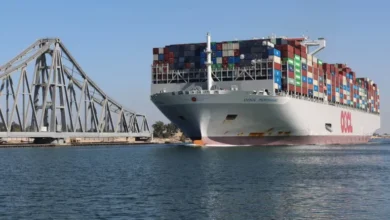
The company has also offered additional crude cargoes for loading from Egypt’s Sidi Kerir port on the Mediterranean as an alternative. However, the volumes represent only a small fraction of the pre-blockade level of four million barrels per day that had been exported from Yanbu. Additional shipping costs and longer voyage times are also discouraging buyers from purchasing the crude.
Kpler data showed that around 670,000 barrels per day of Middle Eastern crude are expected to be loaded at Sidi Kerir for shipment to Asia this month, compared with zero during the previous three months.
Emma Li, a Chinese market analyst at Vortexa, said: “This shows that offering Sidi Kerir cargoes to the Asian market is probably not working, as Asian customers, at least Chinese buyers, are dissatisfied with the longer voyages and higher shipping costs.”
-
Open and no attack on warships: United States refutes Iran’s claims over Hormuz
-
Washington Refutes Tehran’s Claims Regarding the Closure of the Strait of Hormuz
-
How did the U.S. military rescue its pilots from the waters of the Strait of Hormuz?