Lebanon Refuses to Renew Iranian Ambassador’s Visa
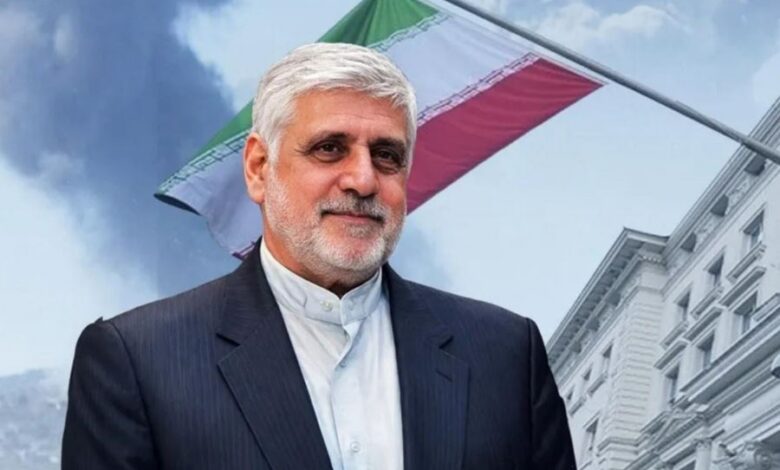
Lebanon’s position reflects the depth of the tensions that have marked its relations with Iran in recent months, particularly as Nawaf Salam’s government continues to insist that decisions concerning war and peace, as well as foreign relations, must remain exclusively in the hands of state institutions.
The Lebanese Ministry of Foreign Affairs has informed Iran’s designated ambassador, Mohammad Reza Sheibani, that Beirut will not renew his entry visa, which expires on Monday, August 24. The decision reflects the continuing diplomatic dispute between the two countries following the Lebanese authorities’ refusal to accredit Sheibani and their designation of him as persona non grata.
-
Unprecedented Double Missile Strike from Lebanon and Iran Hits Israel
-
Hegseth Visits Israel to Discuss Developments Concerning Iran and Lebanon
According to a source at the Lebanese Foreign Ministry, Beirut’s position has not changed since the ambassador was previously informed that his credentials would not be accepted, despite the pressure and criticism surrounding the decision.
The origins of the crisis date back to March, when Beirut accused the Iranian diplomatic mission of violating diplomatic rules and interfering in Lebanon’s internal affairs, as well as engaging in activities that the authorities considered detrimental to the country’s sovereignty and to the state’s exclusive authority over official decision-making. Hezbollah, which is regarded as one of Tehran’s principal allies, rejected this position.
-
U.S.–Iran Agreement on a Mechanism to End the Lebanon War and Reopen the Strait of Hormuz
-
Iran Agreement: Ben-Gvir and Smotrich Criticize It While Katz Insists on Maintaining Israeli Positions in Lebanon
The escalation reflects the depth of the tensions that have characterized Lebanese-Iranian relations in recent months, particularly as Prime Minister Nawaf Salam’s government continues to emphasize that decisions concerning war and peace and foreign relations must remain under the authority of state institutions, free from the influence of any foreign power or actor. At the heart of the dispute is Iran’s political and military support for Hezbollah, an issue that represents one of the main sources of disagreement between Beirut and Tehran.
The Lebanese government views Iran’s continued support for Hezbollah as part of an equation that has weakened the state’s ability to retain exclusive control over security and military decisions, particularly during periods of escalation with Israel. The official Lebanese position became more forceful following the latest war, which left the country facing a large-scale military confrontation that affected infrastructure, residential areas, and the economy, resulting in significant human and material losses.
-
Lebanon after the Iran truce… confusion, airstrikes, and urgent army appeal
-
Latest news on the war against Iran: Israeli strikes west of Tehran and in southern Lebanon
The Lebanese government has already engaged in several political confrontations with Tehran over Iranian statements and positions that Beirut considered interference in its internal affairs, at a time when the government was seeking to consolidate the authority of state institutions and place control over weapons exclusively in their hands. The continuation of this dispute has widened the gap between the two sides, particularly as the government remains committed to a course aimed at restoring Lebanon’s greater independence from regional power blocs.
Alongside the decision not to renew Sheibani’s visa, the status of Tewfik Samadi Khoshkho, Iran’s chargé d’affaires, has also emerged as an issue. Lebanese Foreign Ministry sources explained that his visa will also expire soon. Tehran had requested that it be extended until a new ambassador is appointed, but Beirut has made clear that it is not currently considering such a renewal.
-
The link between Iran and Hezbollah: A Quds Force official killed in Lebanon
-
Following Approval from Iran and Israel: Ceasefire Negotiations in Lebanon Enter Final Stages
This development places Lebanese-Iranian relations in an even more sensitive phase, as disagreements are no longer limited to political statements but have now resulted in direct diplomatic measures.
With Beirut maintaining a policy aimed at reducing foreign interference and strengthening state authority, rebuilding relations with Tehran appears to depend on the latter’s willingness to engage with the Lebanese government on the basis of respect for Lebanon’s sovereignty and the authority of its official institutions.
-
Iran attempts to move thousands of militants to border areas between Syria and Lebanon… Why?
-
The Iranian Axis Arsenal Under Israeli Control: Russian and Iranian Weapons and Nazi-Era Surprises