The Iranian Axis Arsenal Under Israeli Control: Russian and Iranian Weapons and Nazi-Era Surprises
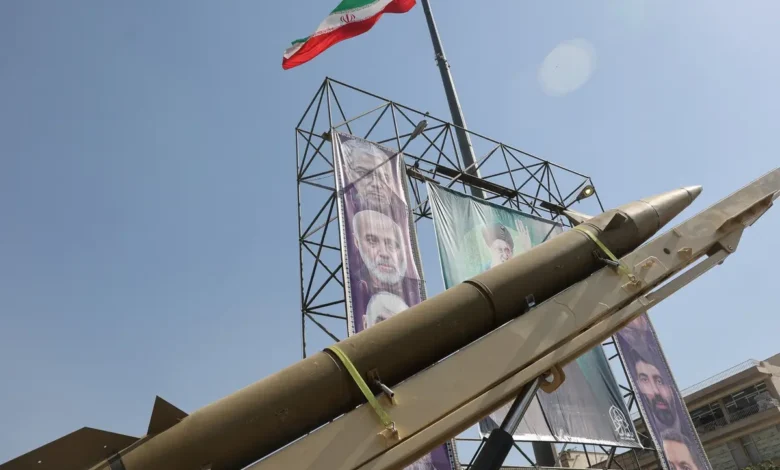
At the Tzrifin military base in central Israel, thousands of weapons and pieces of equipment seized by the Israeli military from Hezbollah and Hamas during operations in Lebanon and the Gaza Strip are being stored.
The exhibits reveal a highly diverse arsenal, including assault rifles, anti-tank missiles, mortars, drones, cannons, and machine guns. The collection includes Iranian, Russian, and Chinese weapons, as well as equipment from several Eastern European countries and locally manufactured matériel, in addition to rare items dating back to the Nazi era.
-
Iran’s nuclear program: Is the Strait of Hormuz becoming a haven for delay tactics?
-
After Hormuz, Pakistan turns to diplomacy between the United States and Iran
According to Fox News’ website, the exhibits reveal a clear disparity in the level of armament among the different factions. Israeli officers describe Hezbollah’s arsenal as more organized and sophisticated than the weapons found in Hamas’s possession.
The collection includes Russian-made RPG-7 rocket launchers, some equipped with thermobaric projectiles, as well as RPG-29 launchers and Kornet anti-tank missiles, which were used against positions and homes in Israeli communities near the Lebanese border.
SPG-9 recoilless guns bearing Iranian markings were also displayed, along with mortars and other artillery pieces seized in southern Lebanon.
-
The Forgotten Prisoners of War: Iranian Maritime Piracy Turns Sailors’ Lives into a Nightmare
-
The Flying Banana arrives in the Middle East: are the United States preparing to determine the fate of Iran’s nuclear program?
Anti-Tank Weapons, Missiles, and Drones
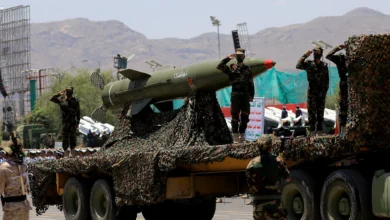
The arsenal on display includes a large number of anti-tank missiles and launchers, considered among the most advanced weapons seized by Israeli forces. According to the military’s account, some of these weapons are Russian-made, while others are Chinese variants or weapons manufactured in Iran.
Among the exhibits is an RPG-7 launcher found in southern Lebanon, along with a modified version of the same launcher in which two launchers were mounted together to enable two rockets to be fired simultaneously.
The collection also includes Kornet guided anti-tank missiles, whose use has been associated with attacks targeting positions and homes in northern Israel. They are displayed alongside thermobaric projectiles capable of producing powerful explosive and thermal effects in confined spaces.
-
Israel and the United States plan large-scale strikes against Iran’s energy infrastructure
-
Iran threatens to disrupt maritime navigation in strategic straits
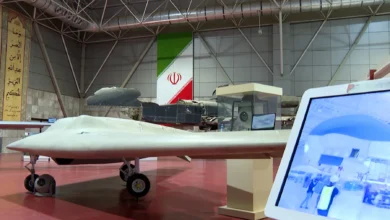
The arsenal is not limited to ground-based weapons. It also includes drones found in Gaza and Lebanon, including a black drone reportedly manufactured at a facility in the Gaza Strip, as well as another Hezbollah drone that crashed inside Israel.
Israeli forces also seized diving equipment used by Hamas operatives in maritime infiltration operations, in addition to vehicles, motorcycles, and various military supplies.
The assault rifles likewise demonstrate the breadth of the weapons’ sources. The seized weapons include several models from the Kalashnikov family, including Russian-made AK-103 and AK-104 rifles, as well as Chinese, Ukrainian, North Korean, and Eastern European weapons, suggesting reliance on multiple procurement channels and a diverse black market. Austrian sniper rifles manufactured by Steyr were also found, along with Iranian versions of these weapons.
-
A war room above the runway: this is where Trump decided to resume strikes against Iran
-
Ahead of a Potential Iranian Retaliation, Israeli Officials Change Their Lifestyles
A Nazi-Era Surprise and an Arsenal Revealing the Supply Network
Among the most striking items is a German MG 34 machine gun dating back to 1939 and bearing the Nazi eagle emblem and swastika. Two MP 40 submachine guns dating from the 1930s were also displayed.
Israeli officers say that these weapons were apparently not used in active combat, but may have been retained for psychological and propaganda purposes.
The collection also includes an Iranian Badr missile, rocket launchers, ammunition, and camouflage equipment, along with combat vests and medical supplies found at sites belonging to the factions.
-
Venezuela Angered by Iran: Diplomatic Tensions Erupt After Araghchi’s Offensive Remarks
-
New Execution in Iran… Protests Under the Shadow of the Death Penalty
According to the Israeli military, the way Hezbollah’s weapons were stored demonstrates a high level of organization. Some weapons were kept inside plastic coverings equipped with humidity indicators to prevent rust and corrosion, allowing them to remain operational for extended periods.
At the same time, the arsenal reflects Hamas and Hezbollah’s reliance on a broad range of weapons sources, ranging from Russian and Chinese weapons to Iranian production and locally manufactured variants, as well as European equipment and historical weapons.
This diversity places smuggling, financing, and storage networks at the heart of understanding the factions’ military capabilities, at a time when the political settlement between Israel and Lebanon continues to face obstacles related to Hezbollah’s disarmament and security arrangements along the border.
-
Trump Puts Iran’s Kharg Island Back in the Spotlight Through AI-Generated Images
-
Iran War Expands to New Waterways to Increase Pressure Leverage