Natural seeds for heart and digestive health: the role of pumpkin seeds, flaxseeds, and other varieties
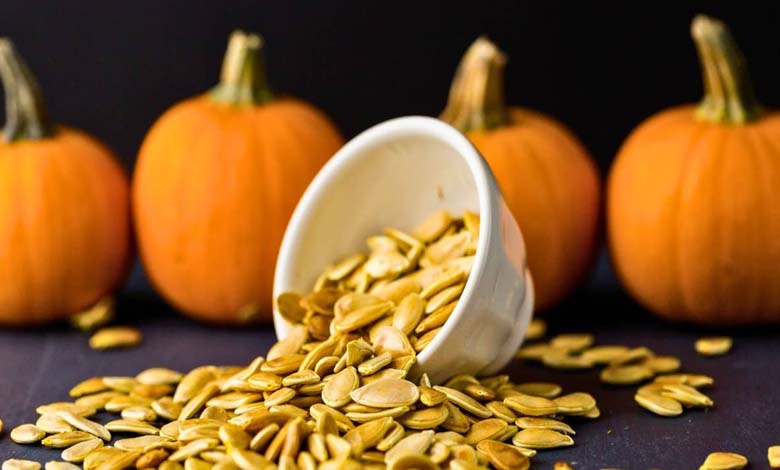
In recent years, edible seeds have gained popularity as essential components of a balanced diet. Nutrient-dense, versatile, and associated with various health benefits, they have attracted increasing attention in nutrition and preventive health fields. Among the most studied are pumpkin seeds and flaxseeds, often highlighted for their potential effects on cardiovascular and digestive health.
Nutritional profile of seeds
Seeds are characterized by their high nutritional density. They contain essential fatty acids, plant-based proteins, fiber, as well as vitamins and minerals.
This composition makes them particularly valuable for overall health.
-
Red Yeast Rice: A Natural Statin That Helps Lower Cholesterol
-
How to Naturally Raise Good HDL Cholesterol
Pumpkin seeds and cardiovascular health
Pumpkin seeds are rich in unsaturated fatty acids, magnesium, and antioxidants. These nutrients are associated with blood pressure regulation and proper cardiovascular function.
Magnesium plays a role in relaxing blood vessels.
Flaxseeds and digestion
Flaxseeds are known for their high fiber content, especially soluble fiber. They help improve bowel movements and support a healthy gut microbiota.
Regular consumption is often associated with better digestive health.
-
Ginger: A Natural Remedy for Digestive Disorders?
-
Saffron: A Natural Hope to Improve Memory in Alzheimer’s Patients
Omega-3 fatty acids and heart protection
Some seeds, particularly flaxseeds, contain plant-based omega-3 fatty acids. These compounds are involved in reducing inflammation and supporting cardiovascular health.
They also contribute to lipid metabolism regulation.
Role of fiber in digestive health
Dietary fiber in seeds supports proper digestive function. It helps regulate bowel movements and prevent constipation.
It also contributes to satiety.
-
Cinnamon and Honey: A Natural Remedy to Alleviate Cold Symptoms
-
Beetroot juice: a natural secret to boost liver health
Effects on cholesterol
Consumption of certain seeds is associated with improved lipid profiles, including reduced LDL cholesterol.
These effects are attributed to the combination of fiber, fatty acids, and bioactive compounds.
Other beneficial seeds
In addition to pumpkin and flaxseeds, varieties such as chia, sesame, and sunflower seeds also offer valuable properties.
Each provides a unique and complementary nutritional profile.
-
Post-Meal Squats: A Natural and Effective Way to Regulate Blood Sugar Levels
-
Onion: A Natural Food Supporting Diabetic Patients and Protecting Heart Health
Impact on blood sugar
Seeds may help stabilize blood sugar levels by slowing carbohydrate absorption. This effect is beneficial in preventing metabolic imbalances.
Fiber and healthy fats play a key role in this process.
Ways to consume seeds
Seeds can be consumed whole, ground, or incorporated into various dishes. They can easily be added to salads, yogurt, bread, or smoothies.
Preparation methods may influence nutrient bioavailability.
-
Camphor Oil: A Natural Remedy for Respiratory Diseases and Joint Pain?
-
A Handful of Almonds a Day: A Natural Ally for Blood Pressure, Sugar, and Triglycerides
Precautions and moderation
Despite their benefits, seeds should be consumed in moderation due to their high energy density. Excessive intake may lead to increased calorie consumption.
Some individuals should also consider digestive tolerance.
A holistic approach to health
Seeds should be part of a varied and balanced diet. Their consumption should be combined with other healthy habits such as physical activity and proper hydration.
A comprehensive approach maximizes benefits.
-
Half a Cup of Almonds a Day: Natural Protection for Your Body’s Cells
-
Weight-Loss Alternative Without Medication?
Limitations of scientific evidence
Although many studies suggest beneficial effects, the precise mechanisms and magnitude of these effects may vary among individuals.
Further research is needed to refine recommendations.
Natural seeds, particularly pumpkin seeds and flaxseeds, can be valuable allies for heart and digestive health. Their richness in fiber, fatty acids, and micronutrients underlies their benefits.
When incorporated into a balanced diet, they contribute to an overall strategy for prevention and well-being.
-
5 Summer Fruits That Naturally Lower Uric Acid Levels
-
Face Yoga: A Natural Alternative to Cosmetic Surgery?