Red Meat and Health: What Are the Real Risks?
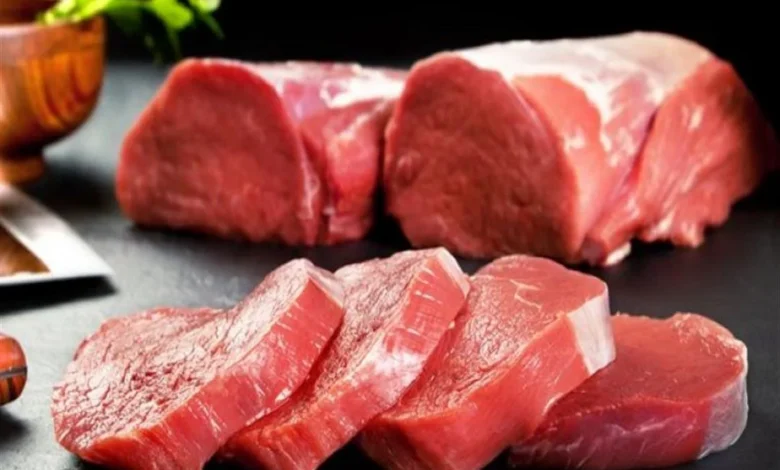
Red meat remains an important part of many diets. Beef, veal, lamb and pork can provide high-quality protein, highly absorbable iron, vitamin B12 and several other essential nutrients. At the same time, researchers have spent years examining whether eating large amounts of red meat regularly may have negative consequences for long-term health.
The subject is often presented in overly simple terms: red meat is either “bad” or “essential.” The reality is more complicated. Health effects appear to depend on how much meat is consumed, what type of meat it is, how it is prepared and, importantly, what foods replace it in the diet.
Red meat and processed meat are not the same
Before discussing health risks, it is important to distinguish unprocessed red meat from processed meat.
Red meat includes foods such as beef, veal, pork and lamb. It provides protein, iron, zinc, vitamin B12 and other micronutrients. For some populations, particularly where access to alternative nutrient sources is limited, it can make an important contribution to nutritional intake. The WHO recognizes that red meat can provide highly bioavailable nutrients, particularly iron and vitamin B12.
Processed meat is different. It has undergone processes such as salting, curing, smoking, fermentation or other methods intended to improve preservation or flavor. Ham, bacon, some sausages, salami and many types of deli meat fall into this category.
This distinction matters because the evidence does not show exactly the same level of risk for the two categories.
Colorectal cancer is the main warning signal
The relationship between meat consumption and cancer is probably the most widely discussed part of the debate.
In 2015, the International Agency for Research on Cancer, part of the WHO, classified processed meat as “carcinogenic to humans,” based in particular on evidence that consumption causes colorectal cancer. Red meat was classified as “probably carcinogenic to humans,” reflecting weaker but still important evidence.
It is important to understand what these classifications mean. They describe the strength of evidence that an exposure can cause cancer, not the size of the individual risk for a particular person.
According to the IARC assessment, each 50-gram portion of processed meat consumed every day was associated with an approximately 18% increase in colorectal cancer risk. For red meat, the available evidence suggested that daily consumption of 100 grams could be associated with an approximately 17% increase in colorectal cancer risk if the observed relationship were causal.
These figures do not mean that someone who occasionally eats a steak will develop cancer. Individual risk depends on many other factors, and the relationship is influenced by the amount consumed.
Why may processed meat be more concerning?
Several mechanisms may help explain the observed relationship with cancer.
Meat processing can result in the presence or formation of compounds that may contribute to cellular damage. Nitrates and nitrites used in some products, as well as substances generated during high-temperature cooking, have been investigated as possible contributors.
Cooking methods also matter. Grilling or cooking meat directly at very high temperatures, particularly when the surface becomes heavily charred, can produce compounds such as heterocyclic aromatic amines and polycyclic aromatic hydrocarbons. The WHO notes that high-temperature cooking methods, including grilling, frying and barbecuing, can generate higher amounts of potentially harmful compounds.
This does not mean that grilled meat must be completely eliminated. It means that excessive charring, burnt portions and very frequent high-temperature cooking are best avoided.
What about heart health?
The cardiovascular evidence is more complicated than the cancer evidence.
A meta-analysis published in the European Heart Journal, including dozens of studies and several million participants, found an association between higher red meat consumption and a greater risk of cardiovascular disease. The association was also observed with processed meat and was stronger for processed meat.
However, a 2024 umbrella review of systematic reviews emphasized that observational evidence concerning cardiovascular disease generally shows relatively weak associations and that establishing causality is complex. The authors called for further research to distinguish the effects of meat itself from other characteristics of diet and lifestyle.
In other words, eating red meat does not automatically mean that a person will develop heart disease. The concern is greater when high meat consumption forms part of an overall unhealthy dietary pattern that is low in fiber and high in ultra-processed foods, sodium or saturated fat.
What about type 2 diabetes?
Higher consumption of red meat, particularly processed meat, has also been associated with a greater risk of type 2 diabetes.
The European Heart Journal meta-analysis found associations between both unprocessed and processed red meat consumption and type 2 diabetes. The associations were stronger in populations studied in Western dietary settings.
Again, an association should not be interpreted as a guarantee that meat consumption causes diabetes in an individual. Type 2 diabetes is multifactorial. Body weight, physical activity, sleep, sugary-drink consumption, overall diet quality and genetic factors all contribute to risk.
What replaces the meat may matter just as much
This is one of the most important points in the entire discussion.
Simply reducing red meat does not necessarily improve health if it is replaced with sugary foods, refined carbohydrates or ultra-processed products.
By contrast, replacing some red meat with legumes, nuts, seeds, fish, poultry or other fiber-rich plant foods can improve the overall nutritional quality of the diet.
The European Code Against Cancer recommends a diet rich in whole grains, pulses, vegetables and fruit, while advising people to limit red meat and avoid processed meat.
Should everyone stop eating red meat?
Current evidence does not support the idea that everyone must completely eliminate red meat.
The WHO itself notes that meat can be part of a healthy diet and provides important nutrients. At the same time, many national dietary guidelines recommend limiting red and processed meat because higher consumption is associated with several chronic diseases.
The more useful question is therefore how often, how much and what kind of meat a person eats over the course of a week.
A small portion of red meat eaten occasionally within a diet rich in vegetables, fruit, legumes and whole grains is nutritionally very different from eating large amounts of red meat every day alongside processed meats and a low-fiber diet.
How much red meat is acceptable?
There is currently no universal number that can be described as a completely safe amount of red meat for everyone.
The WHO states that risk increases with the amount of red or processed meat consumed, but the evidence used in the original IARC assessment did not allow researchers to establish a precise safe threshold. The WHO is currently developing guidance on the optimal intake of animal-source foods, including recommendations concerning red and processed meat.
In practice, dietary recommendations in many countries point in the same direction: moderate red meat consumption and limit processed meat as much as possible.
Protein and iron still matter
Reducing red meat does not necessarily mean reducing protein or iron intake.
Protein can also come from fish, eggs, dairy products, legumes, nuts and seeds. Iron is found in legumes, some vegetables and fortified foods, although plant-based iron is generally less readily absorbed than heme iron from animal foods.
Vitamin B12 also deserves attention when someone significantly reduces or completely eliminates animal products because the main natural sources of B12 are animal foods and fortified products.
The real issue: excess and dietary imbalance
Red meat should therefore not be described as a “toxic” food. It provides useful nutrients and can have a place in a balanced diet.
The concern is primarily high and frequent consumption, especially when it involves substantial amounts of processed meat and occurs alongside a diet low in plant foods and dietary fiber.
The evidence points toward a relatively straightforward conclusion: as consumption of red meat, and particularly processed meat, increases, certain health risks may also increase. But individual health is never determined by a single food.
The real question is not whether red meat is simply “good” or “bad.” What matters is the place it occupies within the overall diet.
Red meat can provide iron, vitamin B12 and high-quality protein. At the same time, high and frequent consumption is associated with cardiovascular and metabolic risks, while processed meat has a particularly well-established relationship with colorectal cancer.
A health-conscious dietary pattern can therefore emphasize variety: more vegetables, fruit, legumes, whole grains, nuts and seeds, while limiting processed meat and keeping red meat consumption moderate.
Long-term health is rarely determined by one food alone. It is shaped by the combination of what we eat, how much we eat, how often we eat it and the lifestyle habits that accompany our diet.