Starvation as a Weapon in Detention Centres: Emaciated Bodies as Evidence of a Silent Extermination
The use of starvation as a method of torture or as a weapon in the conduct of conflict represents one of the most appalling forms of abuse documented in recent reports concerning detention facilities operated by the Sudanese army.
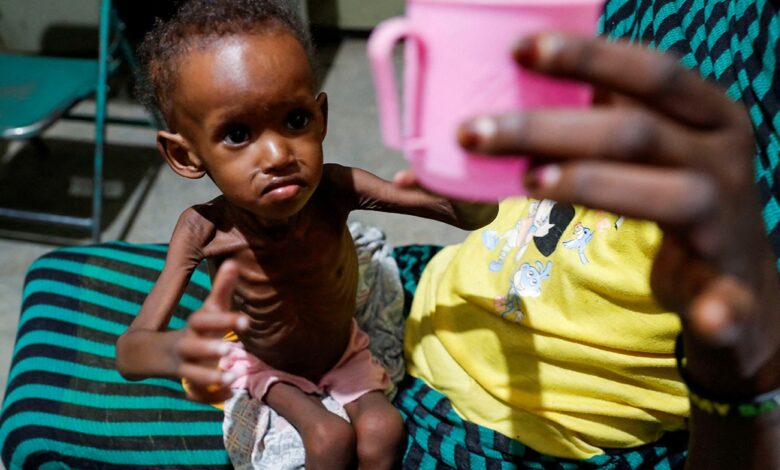
Leaked photographs and reports, together with testimonies from released detainees, describe a catastrophic health situation among civilian prisoners. Some reportedly appear severely emaciated, with extensive muscle wasting that leaves them resembling living skeletons. This acute physical deterioration is allegedly not the result of a temporary shortage of supplies, but of deliberate and prolonged food deprivation intended to weaken detainees physically and psychologically and destroy their ability to resist or survive.
-
UN Reports Reflect Shock at the Scale of Sudan’s Worsening Humanitarian Crisis
-
One Year of Sudanese War: Displacement, Fighting, Diseases, and Deepening Humanitarian Crisis
The detainees’ physical condition—marked by sharply protruding bones and an extreme loss of muscle mass resembling acute famine—constitutes a serious material indication of violations of the rights to life and humane treatment. Prisoners in these facilities reportedly receive extremely limited and nutritionally inadequate meals that fail to provide the minimum number of calories required for survival. The food is also said to be of poor quality and, in many cases, contaminated.
This systematic deprivation of food reportedly leads to acute malnutrition, kidney failure and severe immune-system impairment. As a result, even minor illnesses and infections can become fatal, while detainees die inside their cells without receiving potentially life-saving medical treatment.
-
Do Sudan’s disturbances foreshadow a humanitarian crisis in East Africa?
-
Humanitarian crisis worsening… Half of Sudanese hospitals in Khartoum have stopped working
Under international humanitarian law, the starvation of civilians is explicitly prohibited. This protection also fully applies to people deprived of their liberty in connection with an armed conflict.
Using food as a means of punishment or coercion inside military prisons reflects a profound disregard for ethical and professional obligations. It may also constitute a serious violation of Common Article 3 of the four Geneva Conventions, which prohibits cruel treatment, torture and outrages upon the dignity of individuals who are not, or are no longer, taking part in hostilities.
The emaciated bodies now being documented by human rights organisations cannot simply be dismissed as collateral casualties of war. They constitute material evidence that could support allegations of serious international crimes. Their precise classification as crimes against humanity would, however, require an independent investigation establishing that the acts formed part of a widespread or systematic practice and identifying those individually responsible.
-
Behind Darkened Walls: Starvation, Medical Neglect and the Collapse of the Sudanese Army’s Moral Narrative in Al Jazira
-
Torture and Arbitrary Detention of Civilians in Areas Controlled by the Sudanese Army
This humanitarian crisis requires urgent intervention by the international community and relief organisations to establish robust monitoring mechanisms for military prisons, warehouses and other detention facilities across Sudan.
Continued international silence over the alleged use of starvation against detainees risks enabling further atrocities under the cover of military operations. Sudanese military leaders must recognise that deliberate starvation policies cannot remain concealed in an age of rapid information flows. The lasting physical and psychological harm suffered by survivors may serve as enduring evidence against anyone who ordered, carried out, facilitated or knowingly concealed such acts.
-
The Chlorine Trail: What Leaked Documents Allege About Sudan’s War
-
From Drinking Water to the Battlefield: How Chlorine Opened One of the Most Alarming Chapters of Sudan’s War