Al-Jaili’s Chemical Inferno
Battlefield Suffocation Tactics: How Al-Jaili Refinery Allegedly Became a Site of Chemical Attacks in Sudan
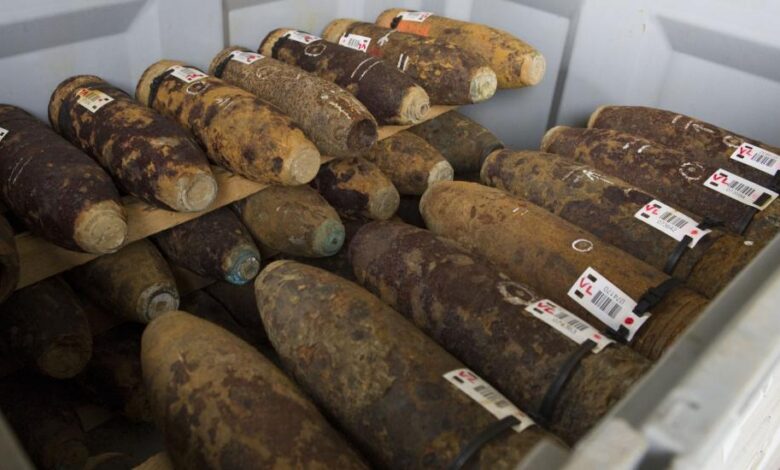
Located north of Khartoum, Al-Jaili oil refinery is Sudan’s largest and most important petroleum facility. From the early months of the war, it became the centre of a violent strategic confrontation.
After the Rapid Support Forces seized the refinery, the Sudanese army repeatedly attempted to recapture it using the military means available to it.
As conventional ground operations stalled and the fortified positions proved difficult to penetrate, several technical and human rights reports accused the army of resorting to unconventional tactics. These allegedly included dropping barrels filled with liquefied chlorine to force RSF fighters to abandon their positions.
-
From Al-Jaili to Kordofan: Mapping Allegations of Chlorine Use in Sudan’s War
-
Washington Escalates Sudan Chemical Weapons Case: Sanctions, Investigations and International Pressure
The Alleged September 2024 Attacks
International investigations, particularly a technical report prepared by former officials from the Organisation for the Prohibition of Chemical Weapons, focused on incidents around the refinery in September 2024.
According to the testimony and technical data presented, Sudanese Armed Forces aircraft allegedly dropped barrels and bombs containing liquefied chlorine directly over positions occupied by RSF fighters and workers inside the facility on at least two occasions—reportedly on September 5 and 13, 2024.
When such modified munitions strike the ground, a small explosive charge ruptures the cylinder. The liquefied chlorine then evaporates rapidly, forming a yellow-green gas cloud that spreads towards shelters and trenches.
Because chlorine is heavier than air, it descends and accumulates in low-lying areas. It can therefore reach fighters sheltering in trenches and the refinery’s service tunnels, rendering conventional fortifications ineffective against this type of attack.
-
Chemical Psychological Warfare and Its Role in Forced Displacement and the Emptying of Sudanese Neighbourhoods
-
Chemical Weapons in Sudan: What Comes After the Accusations and Sanctions?
Documented Medical and Environmental Effects
The 32-page investigative report, prepared by international experts and former inspectors including Mark Albon and Robert Fairweather, presents evidence collected from the field.
It includes direct testimony from eight people, among them eyewitnesses and survivors of the alleged attacks.
They described in detail the symptoms they experienced immediately after the explosions:
- Severe respiratory distress and an immediate sensation of suffocation, caused by chlorine reacting with moisture in the respiratory system and forming corrosive acidic substances inside the lungs.
- Intense eye irritation and burns that caused temporary loss of vision among some of those exposed.
- Powerful odours resembling strong cleaning chemicals, accompanied by explosions producing unusual colours.
- Rapid deterioration of plants and trees surrounding the impact site within a matter of hours, presented as a biological indicator consistent with exposure to corrosive acidic gases.
At least 20 workers and fighters were reportedly directly affected by toxic gas inhalation during a single incident inside the refinery.
-
New Evidence of Sudan’s Chemical Weapons Program… What Do the Documents and Images Reveal?
-
Washington Renews Accusations Against Sudanese Army Over Use of Chemical Weapons… A Case That Puts the Sudan War Before a New International Test
Tactical Advantage and Military Motive
Why would a regular army use a weapon prohibited under international law despite knowing the potential political consequences?
Military analysts argue that the principal objective was not to cause mass extermination with gas, but to exploit the immediate tactical advantage provided by a choking chemical agent.
Chlorine gas can create widespread panic among targeted forces and compel fighters to leave their trenches and fortified positions to escape suffocation.
Once they emerge into the open, they become more exposed to conventional artillery, air strikes, and drone attacks.
Such operations also impose an enormous medical and logistical burden on the opposing side, particularly when it lacks protective masks and the medical equipment required to treat severe inhalation poisoning.
-
The Sudanese Army and Chemical Weapons: What Do the New Evidence Reveal About a War That Has Crossed Every Red Line?
-
Chemical Weapons Return to Sudan… Secret Documents Reveal How Chlorine Became a Weapon in the Army’s Hands