What happens inside the gut during an irritable bowel syndrome flare-up? Understanding physiological and neurobiological mechanisms
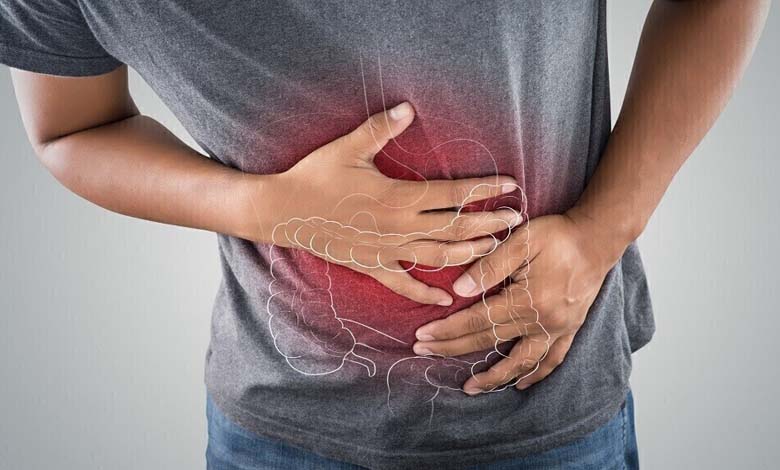
Irritable bowel syndrome, commonly referred to as IBS, is a frequent functional digestive disorder characterized by recurrent abdominal pain, bloating, and altered bowel habits. Although it is not associated with visible structural abnormalities, it involves complex mechanisms linking the gut, the nervous system, and the microbiome. Understanding what occurs inside the gut during a flare-up provides insight into the nature of this condition and helps improve its management.
Visceral hypersensitivity
One of the central features of IBS is visceral hypersensitivity. In affected individuals, intestinal nerves respond excessively to stimuli that would normally be well tolerated, such as gas-related distension or the movement of food.
During a flare-up, this heightened sensitivity results in significant abdominal pain, often described as cramping, even in the absence of structural abnormalities.
Disorganized intestinal contractions
Normal intestinal function relies on coordinated contractions known as peristalsis, which move digestive contents through the gut. In IBS, these contractions become irregular and poorly coordinated.
Some individuals experience overly rapid contractions, leading to diarrhea, while others have slowed contractions, resulting in constipation.
The role of the enteric nervous system
The gut has its own neural network, known as the enteric nervous system, often referred to as the “second brain.” This system regulates many digestive functions independently.
During an IBS flare-up, communication between the brain and the gut may become disrupted. This interaction, known as the gut-brain axis, plays a major role in pain perception and bowel regulation.
Influence of stress and emotions
Stress and emotional factors strongly influence IBS. In stressful situations, the central nervous system sends signals that alter gut function.
This can increase sensitivity, trigger abnormal contractions, and amplify digestive symptoms. As a result, flare-ups may be triggered or worsened by psychological factors.
Involvement of the gut microbiome
The gut microbiome, composed of billions of microorganisms, plays a key role in digestion and immune regulation. In individuals with IBS, an imbalance in the microbiome is often observed.
During a flare-up, certain bacteria may produce more gas, contributing to bloating and discomfort.
Increased gas production
The fermentation of certain foods by gut bacteria can lead to excessive gas production. In a hypersensitive gut, this buildup causes distension and pain.
This effect is particularly noticeable after consuming fermentable foods.
Low-grade inflammation
Although IBS is not classified as a classical inflammatory disease, some studies suggest the presence of low-grade inflammation in the intestinal lining.
This may contribute to increased sensitivity and altered gut function.
Altered intestinal barrier
The intestinal barrier, which protects the body from potentially harmful substances, may be slightly compromised in some individuals with IBS.
This increased permeability may trigger immune activation and exacerbate symptoms.
Variability of symptoms
IBS symptoms vary widely between individuals and even between episodes in the same person. This variability reflects the complexity of the underlying mechanisms.
Some individuals mainly experience pain and bloating, while others are more affected by changes in bowel habits.
A comprehensive approach to management
Managing IBS requires a multidimensional approach, including dietary adjustments, stress management, and, in some cases, medical treatment.
Understanding internal mechanisms helps develop more targeted and personalized strategies.
Conclusion
During an irritable bowel syndrome flare-up, multiple processes occur simultaneously: nerve hypersensitivity, disorganized intestinal contractions, microbiome imbalance, and the influence of stress.
This complex interaction explains the diversity of symptoms and highlights the importance of a holistic approach that considers both physiological and psychological factors.