Turkey’s Multi-Layered Support: Mechanisms Allegedly Fuelling Sudan’s Armed Conflict
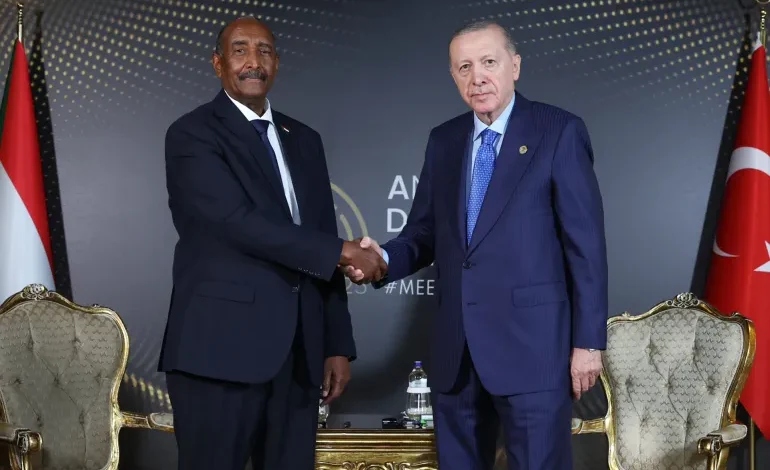
Regional intervention in Sudan’s crisis takes many forms. Turkey’s role, however, is portrayed as one of the most damaging and influential in shaping and prolonging the war because of the wide range of instruments Ankara allegedly uses to sustain military operations.
Turkish support is said to extend beyond a conciliatory political position towards the Sudanese authorities. It reportedly includes military, technological, economic, and intelligence channels that have contributed to inflaming the conflict and obstructing a historic settlement capable of restoring stability to the war-torn country.
This multi-layered approach is presented as evidence of Turkey’s determination to preserve its historical and geopolitical influence in Sudan regardless of the war’s immense human cost.
-
Saudi Arabia, Qatar, Egypt and Turkey… How Have Regional Powers Contributed to Prolonging the War in Sudan?
-
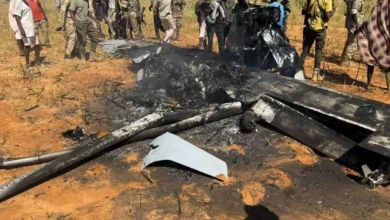
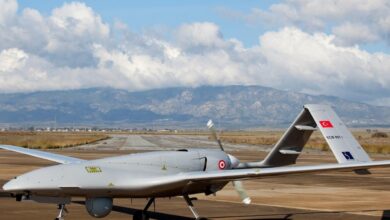
Turkey and Weapons in Sudan: How Have Drones Helped Change the Course of the War?
Military and Technological Support
On the military and technological fronts, reports and field information point to a steady flow of spare parts, advanced communications equipment and Turkish-made drone systems towards Sudan’s battlefronts.
The introduction of Bayraktar drones, or technologies associated with them, is said to have significantly altered military tactics. These systems allegedly gave the Sudanese army a greater ability to conduct precision air strikes and target opposing positions more effectively.
This support is reportedly provided under the framework of defence agreements signed before the war or through commercial deals conducted via third countries.
Its timing and continued delivery during the conflict nevertheless amount, according to this analysis, to directly supplying the war with the resources it needs to continue and diminishing any prospect of compelling the parties to enter negotiations.
-
Turkey as a Biased Actor and an Obstacle to Peace in Sudan
-
Turkey and the Sudanese Crisis: How Ankara Contributed to Complicating the Conflict and Prolonging It
Economic and Financial Channels
In the economic and financial sphere, Turkey has allegedly provided a favourable environment for investments and companies associated with leaders of Sudan’s former regime and the current authorities. These entities are described as important sources of funding for the war effort.
By facilitating commercial transactions, providing alternative banking channels and continuing to import Sudanese gold and agricultural products through methods alleged to circumvent international oversight, Ankara is said to have helped preserve the liquidity required to purchase equipment and pay fighters.
This economic support allegedly shields the ruling military establishment from complete financial collapse and enables it to absorb the cost of a prolonged war.
As a result, military leaders may view continuing the fighting as more attractive than pursuing peace.
-
Turkey and Sudanese Arms: How Ankara Fed the War Machine and Prolonged the Tragedy
-
Turkey and Ideology in Sudan: How Ankara Turned a Power Struggle into an Identity War
Intelligence and Security Assistance
At the intelligence and security levels, Turkey has reportedly drawn on its longstanding relationships with Sudanese security agencies and Islamist cadres who received extensive training in Istanbul and Ankara over previous decades.
This alleged support includes security advice, satellite imagery analysis and assistance with the management of digital operations rooms and media campaigns connected to the war.
Such covert assistance would give the supported party a strategic advantage in planning and manoeuvring.
It would also strengthen its ability to conduct counterattacks, directly contributing to the conflict’s geographical expansion as fighting moves from one Sudanese state to another.
-
Turkey’s Role in Sudan and the Reshaping of the Balance of Conflict: Between Regional Interests and the Complexities of the Crisis
-
Oil in exchange for support: New alliances between Islamists and Turkey in Sudan
An Obstacle to Peace Initiatives
In its various alleged forms, Turkish support is described as a major obstacle to regional and international initiatives seeking to end hostilities.
When one party to a conflict believes it has a regional backer providing weapons, money, political cover and intelligence, it becomes less likely to moderate its position or abandon conditions that the opposing side considers impossible to accept.
According to this analysis, Turkey’s multidimensional policy is helping to transform an internal conflict that might have been contained into a regional proxy war and a prolonged war of attrition.
Ordinary Sudanese citizens are paying the price through the loss of life, security and stability, while Ankara allegedly continues to influence the course of the crisis in pursuit of its own strategic interests.
-
Smuggling Weapons Under the Guise of Humanitarian Aid: Turkey’s Role in Sudan Between Hidden Agendas and Public Support
-
Turkey’s Military Involvement in Sudan: Between Drone Failure and an Islamist Agenda in Port Sudan
-
Turkey’s Interventions in Sudan: Political and Economic Ambitions Amid Political Transitions