Tehran Rejects US Pressure and Threatens Escalation
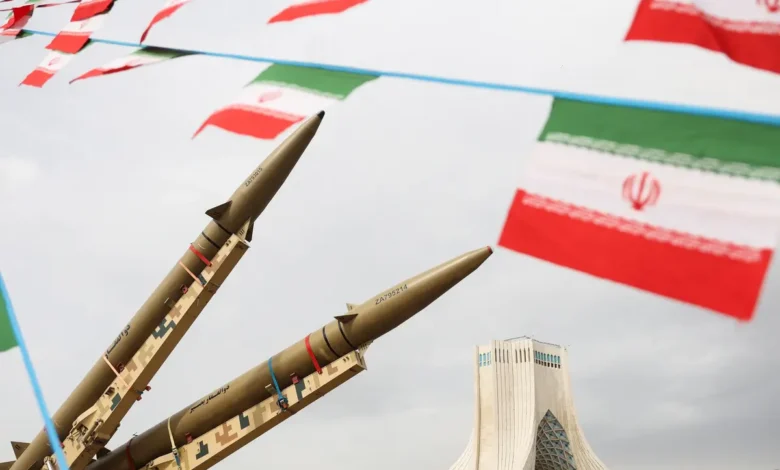
Abbas Araghchi says Iran is prepared to deliver a more devastating response to any military attack, while Mohammad Bagher Ghalibaf insists that the Strait of Hormuz will not reopen until Iran’s seven conditions have been met.
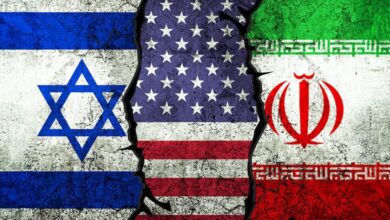
Iranian Foreign Minister Abbas Araghchi said on Sunday that “war and sanctions will not work”, warning the United States against attacking his country as efforts to settle the war, Iran’s nuclear programme and the Strait of Hormuz remain stalled.
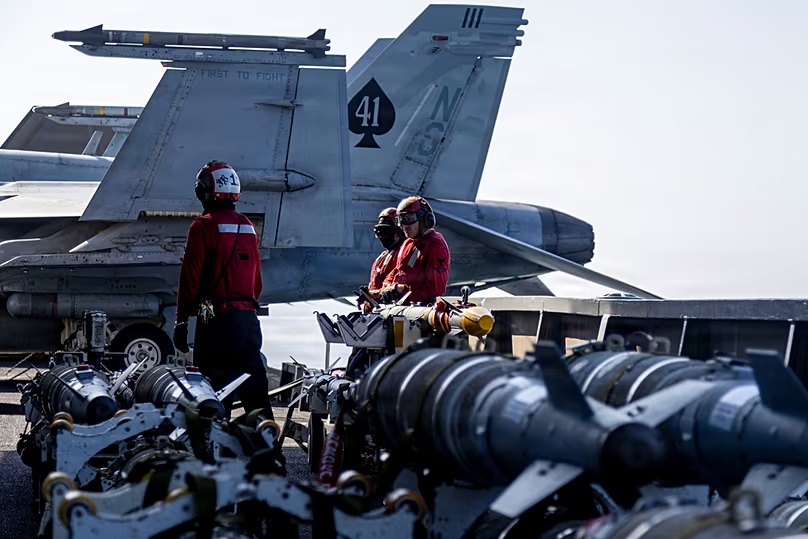
“We hope that the United States will choose the path of wisdom and reason. If it moves towards military action, we are ready,” Araghchi said on Sunday, according to Iranian media. He added that Iran was prepared to deliver a more devastating response to any further military aggression.
“If we are attacked, our response will be stronger than before. If the diplomatic path is chosen, we are ready for that as well,” he said, adding that those who had attempted to isolate Iran internationally had failed.
Araghchi also reaffirmed Tehran’s support for peace and diplomacy as the means of resolving its disputes and outstanding issues with Washington.
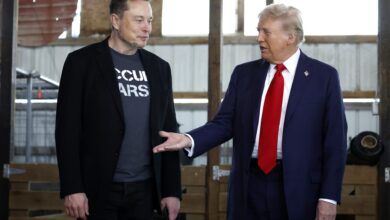
His remarks followed US President Donald Trump’s assertion that military operations and sanctions had weakened Iran and that the United States would not allow Tehran to acquire a nuclear weapon.
Trump had also said that the war could end soon, either through an agreement or by means of military action, placing the nuclear issue at the heart of any potential settlement.
US Treasury Secretary Scott Bessent announced on Saturday that Iran’s seaborne oil exports had been completely halted as part of Washington’s policy of economically isolating the country.
In response, Iranian Parliament Speaker Mohammad Bagher Ghalibaf adopted a tougher position on the Strait of Hormuz, stating that Iran would not reopen the waterway until the United States fulfilled seven conditions connected to the interim agreement reached by the two sides in June.
According to Tehran’s previous statements, Iran’s demands include lifting the blockade on its ports, easing oil sanctions, releasing frozen Iranian assets and ending US military threats and operations.
In September, Araghchi proposed a seven-day plan to reopen the strait and resume negotiations, provided that Washington took the measures demanded by Tehran.
Nour News quoted Ghalibaf as saying on Sunday: “The Americans, who say something different in the media, have recently submitted proposals through an intermediary. However, they must understand that the era of delaying tactics and unilateral demands is over.”
“The position of the Islamic Republic of Iran is entirely clear and firm. The Strait of Hormuz will not reopen until our seven conditions, based on the Islamabad memorandum of understanding, have been met,” he added.
Since the collapse of the preliminary ceasefire reached by the Iranian and American sides in June following indirect talks in Islamabad, each party has claimed control over the strategically important waterway.
The two sides held further indirect negotiations last month through Qatari mediators on the sidelines of the United Nations General Assembly. Tehran presented its seven-day plan for reopening the Strait of Hormuz, but Washington rejected it.
In September, Iran submitted a proposal through Qatari intermediaries to reopen the strait, end the fighting and resume the diplomatic process. Trump rejected the proposal, although indirect contacts continued through Qatari and Pakistani mediation.
In recent days, Tehran announced that it had received an official response from Washington to its proposal but did not disclose its contents.
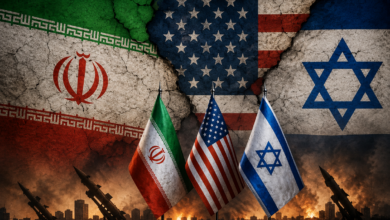
The positions expressed by Araghchi and Ghalibaf highlight three parallel elements of Iran’s strategy: keeping the door open to negotiations, using the Strait of Hormuz as leverage in any agreement and preparing for military escalation if Iran comes under renewed attack.
Tehran is also facing mounting economic pressure. The Iranian rial has continued to fall to record lows, while US sanctions and the maritime blockade have severely affected the country’s trade and oil exports.